A Treasure Coast home sale stalls when a buyer's lender, insurer, or home inspector flags the electrical panel, and the seller has no report proving the wiring is safe. Sellers in Port St. Lucie, Stuart, and Jensen Beach face this more often than sellers elsewhere in Florida because so much of the local housing stock predates the 2002 National Electrical Code updates, and older panels trigger both inspection failures and insurance denials.
- A licensed electrical inspection home sale Treasure Coast sellers schedule before listing catches panel issues before a buyer's inspector does.
- Federal Pacific and Zinsco panels are common in older Jensen Beach and Stuart homes and get flagged by insurers almost every time.
- Florida insurers routinely require a 4-point inspection on homes over 40 years old, and the electrical section is the most common reason it fails.
- Fixing a panel violation before listing beats negotiating a closing credit because it keeps the sale price and the closing date intact.
Why this matters for Treasure Coast home sellers
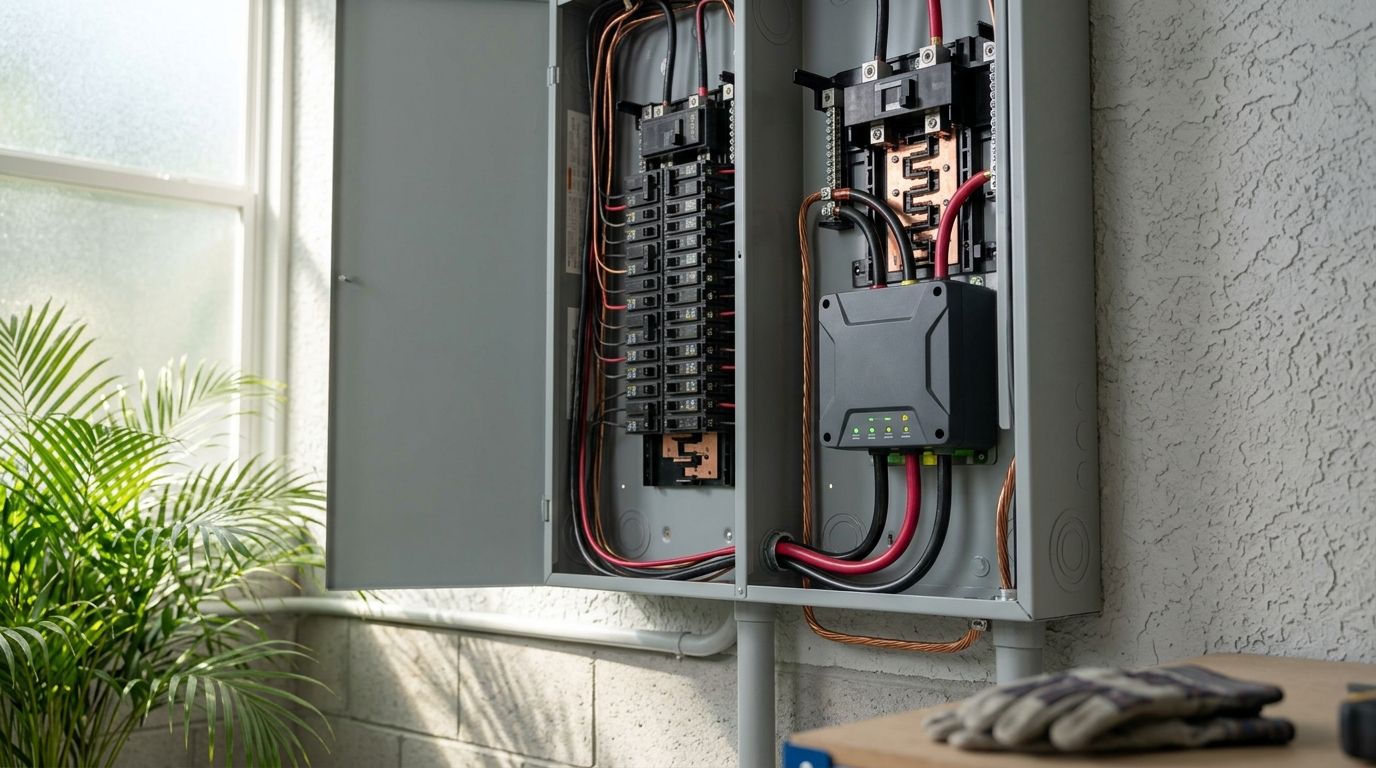
A buyer's lender in 2026 won't fund a mortgage on a home with a red-tagged panel, and most homeowners insurers on the Treasure Coast won't write a new policy on a home with a Federal Pacific Electric or Zinsco panel still in service. Both of those panel brands were pulled from the market decades ago over documented breaker failure and fire risk, and they still show up in pre-1990 homes across St. Lucie and Martin counties.
The timing makes this worse than a routine repair. A seller usually finds out about a panel problem from the buyer's home inspector, days before closing, with no room to shop around for a licensed electrician on short notice. Getting ahead of it with your own inspection turns a closing-week emergency into a planned repair.
Imperium Electric works panel and wiring inspections tied to home sales across Port St. Lucie, Stuart, and Jensen Beach, and the findings below reflect what actually holds up a Treasure Coast closing in 2026.
Pull your permit history before you list
Start with the paper trail. St. Lucie County and Martin County both keep permit records online, and a missing permit for a past panel swap or rewire is one of the fastest ways to lose a buyer's confidence mid-contract.
- Search the county property appraiser site for the parcel's permit history
- Cross-check any electrical work done since you bought the home against that list
- Flag any panel, generator, or rewiring work with no permit on file
- Note the panel's age and brand from the last permit or inspection report
Walk the panel and count the breakers
Open the panel cover yourself before calling anyone. This costs nothing and tells you whether you're dealing with a cosmetic issue or a real one.
- Check the panel brand stamped on the door or the breakers themselves
- Count double-tapped breakers (two wires under one lug) — a common violation
- Look for rust, scorch marks, or a burning smell near the panel
- Confirm the panel has open slots for a future generator or EV charger circuit
- Note whether the main breaker size matches your home's actual electrical load
Test every GFCI and AFCI outlet
Home inspectors test every GFCI outlet in kitchens, bathrooms, garages, and outdoor circuits, and a dead one is an automatic line item on the report.
- Press the test button on each GFCI outlet and confirm it trips power
- Reset each one and confirm power returns
- Check bedroom circuits for AFCI protection if the home was built after 2008
- Replace any outlet that fails to trip or reset before you list
Schedule a licensed electrical inspection
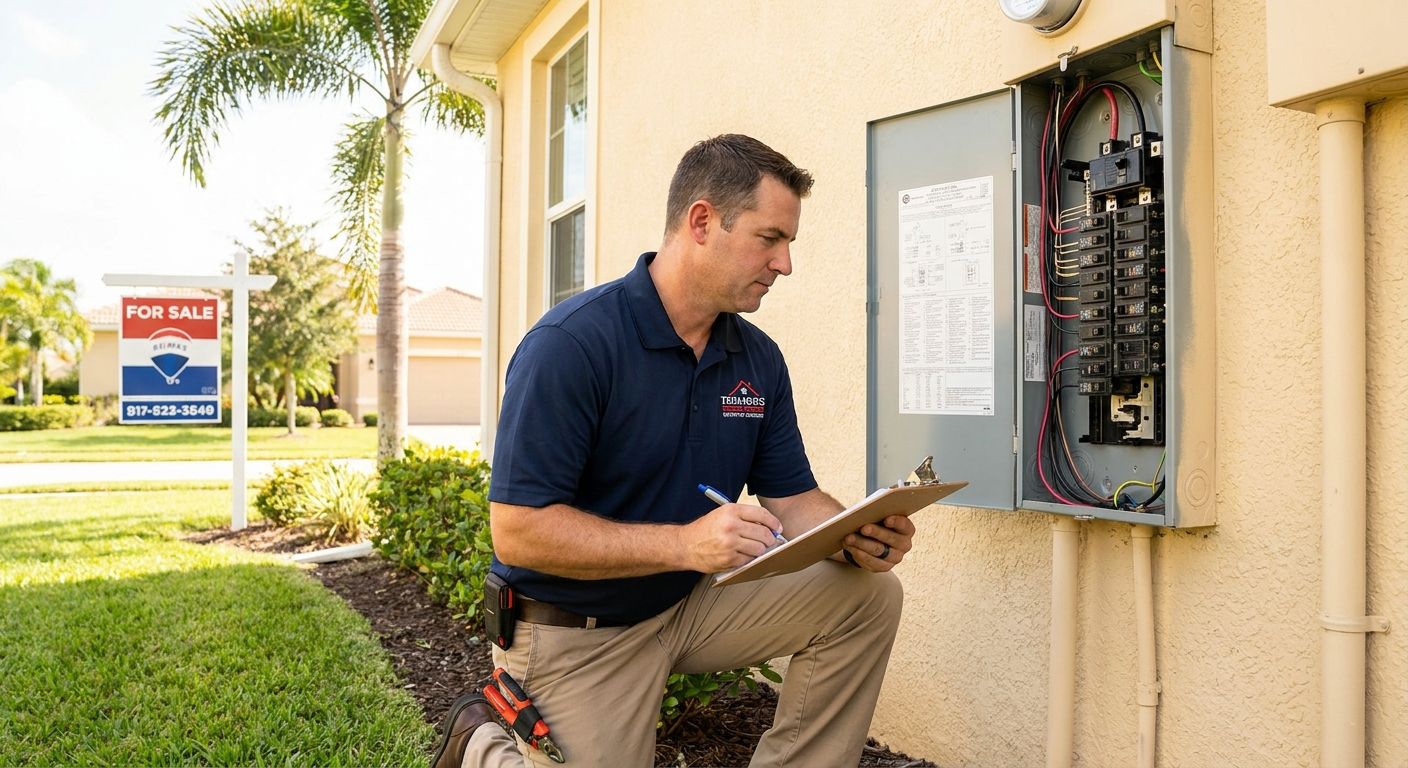
Once the free checks are done, bring in a licensed electrician for anything the walkthrough couldn't confirm — load calculations, wire condition inside the walls, and grounding at the meter base. This is where Imperium Electric's residential electrician services for Jensen Beach homeowners come in, covering panel inspections tied specifically to real estate transactions.
- Full panel load calculation against your home's actual appliance count
- Grounding and bonding check at the meter base and panel
- Visual inspection of wire condition in the attic and crawlspace where accessible
- A written report a buyer's agent or lender can accept without a follow-up visit
Fix code violations before the buyer's inspector finds them
A violation found by your electrician gets fixed on your timeline. The same violation found by a buyer's inspector gets negotiated against your sale price, usually at a discount larger than the repair cost.
- Replace double-tapped breakers and undersized wire runs
- Swap out a Federal Pacific or Zinsco panel for a modern one if flagged
- Add whole-house surge protection if the home has none — a common ask from buyers with home automation or newer appliances
- Correct any missing GFCI/AFCI protection in required rooms
Onder a full panel replacement is warranted, review the electrical panel upgrade options for older Port St. Lucie homes before the buyer's financing deadline forces a rushed decision.
Get the permit closed before closing
An open or missing permit for electrical work is a title company red flag, and it can delay closing by weeks while the county processes a retroactive permit. Any panel upgrade needs to go through the proper channel — see how to permit an electrical panel upgrade in St. Lucie County for the exact steps.
- Confirm the permit is pulled before work starts, not after
- Schedule the final inspection with the county as soon as work wraps
- Keep the closed permit document for the closing file
- Give your realtor the permit number so it's on record for the buyer's title search
Hand the buyer's agent a clean report
A written inspection report from a licensed electrician, dated close to the listing date, does more to keep a deal together than anything else on this list. Buyers and their agents trust a third-party report over a seller's verbal assurance every time.
- Date the report within 30-60 days of listing so it reads as current
- Include the panel brand, age, and any repairs completed
- Attach permit numbers for any electrical work done
- Give a copy to your listing agent to share proactively, not just on request
Comparison: inspection options for a Treasure Coast home sale
| Option | Best for | Key limitation |
|---|---|---|
| DIY visual walkthrough | Sellers with homes built after 2000 with no known panel issues | Misses wiring and load problems only a licensed electrician can catch |
| General home inspector's report | Buyers doing standard due diligence during contract | Flags electrical issues but can't diagnose the cause or make repairs |
| Licensed electrical inspection | Sellers with homes over 25 years old or a flagged panel brand | Requires scheduling ahead — not a same-day walk-in service |
| Insurance 4-point inspection | Homes over 40 years old, required by many Florida insurers | Covers electrical, plumbing, roof, and HVAC only — not a full code review |
A licensed electrical inspection before listing is the fastest way to keep a Treasure Coast home sale from stalling over a flagged panel.
Get your panel inspected before you list
Schedule a licensed electrical inspection tied to your home sale timeline.
Common mistakes Treasure Coast sellers make
- Waiting until under contract. By the time a buyer's inspector flags the panel, there's no room to shop for a licensed electrician on your own schedule.
- Assuming the home inspector's walkthrough is enough. A general home inspector notes visible problems but doesn't run a load calculation or check grounding at the meter base.
- Ignoring a known recalled panel brand. A Federal Pacific or Zinsco panel gets flagged by insurers and lenders almost every time it's identified, regardless of whether it's ever malfunctioned.
- Skipping the permit step. An unpermitted panel swap or rewire shows up in a title search and can delay closing by weeks while the county processes it after the fact.
- Negotiating a credit instead of fixing the issue. Buyers routinely discount more off the sale price than the actual repair costs once a violation shows up on paper.
FAQ
What's the best way to prepare for an electrical inspection before selling a home on the Treasure Coast?
Pull your permit history, walk the panel yourself for obvious issues, and schedule a licensed electrical inspection 30-60 days before listing. Fixing violations before a buyer's inspector finds them avoids closing-week price negotiations.
Is a 4-point inspection the same as an electrical inspection home sale Treasure Coast sellers need?
No. A 4-point inspection is an insurance requirement covering electrical, plumbing, roof, and HVAC systems on homes over 40 years old, while a full electrical inspection goes deeper into panel load, grounding, and wire condition.
How much does an electrical inspection cost for a home sale?
Cost varies by home age, panel brand, and square footage, so get a direct quote rather than estimating from a national average. Contact a licensed electrician for pricing specific to your property.
Will an old Federal Pacific or Zinsco panel stop a home sale?
It often does, since many insurers won't write a new policy and some lenders won't fund a mortgage until the panel is replaced. Both brands were pulled from the market decades ago over documented breaker failure risk.
Do I need a permit for an electrical panel upgrade in St. Lucie County?
Yes, any panel replacement or upgrade requires a permit pulled before work starts and a closed final inspection after. An unpermitted panel swap shows up in a title search and can delay closing.
What is a GFCI outlet and why does it matter for a home sale?
A GFCI outlet cuts power when it detects a ground fault, and it's required in kitchens, bathrooms, garages, and outdoor circuits. Home inspectors test every one, and a dead outlet is a standard line item on the report.
Is it better to fix electrical issues before listing or negotiate a credit at closing?
Fixing the issue before listing almost always costs less than the credit a buyer will negotiate once it's found during their own inspection. It also keeps the closing timeline from slipping.
One last thing
Most sellers assume a 4-point inspection and a full electrical inspection are the same document — they aren't, and handing a buyer's agent the wrong one causes more closing delays than any actual wiring problem. If your home is over 40 years old, budget for both: the 4-point for the insurer, and a full panel inspection for anyone who wants to see what's actually behind the cover.