Treasure Coast landlords manage electrical and plumbing service on a different clock than homeowners: repairs have to close fast, get documented for the lease file, and hold up between tenant turnovers instead of just getting fixed once. A single unaddressed leak or a tripped breaker in an occupied rental turns into a liability question, not just a repair ticket, and a portfolio spread across Port St. Lucie, Stuart and Jensen Beach means coordinating multiple addresses instead of one house.
- Property management electrical plumbing on the Treasure Coast means fast turnaround, documented repairs, and one licensed vendor across every unit.
- Imperium Electric answers calls daily from 7am to 6pm, including weekends, covering electrical, plumbing, HVAC and generator work under one dispatch.
- Rental stock built before 1990 in Port St. Lucie and Jensen Beach still carries 100-amp panels and aging water heaters that fail inspection.
- Documented repairs and permits protect landlords in security deposit disputes and insurance renewals more than a cheap unlicensed fix ever will.
Why this matters for Treasure Coast landlords
A plumbing failure in an owner-occupied home is an inconvenience. The same failure in a rental unit is a habitability question, a possible code violation, and a line item in next year's insurance renewal. Landlords running multiple addresses across St. Lucie, Martin and Jensen Beach can't afford to vet a new contractor every time a breaker trips or a water heater dies — the vendor relationship has to survive across properties, not just across one job.
Mixed-use and multi-family owners face a second layer: commercial code requirements, backflow testing, and buildout permitting that single-family rental owners never touch. Treating every property the same way, regardless of use type, is where landlords lose money on repeat service calls in 2026.
Standardize your maintenance vendor across every property
Most landlords start by calling whoever answers first per property. That works until a portfolio hits three or four units and nobody can remember which plumber fixed which unit's water heater.
- Keep one shared repair log across every address, not a separate notebook per property
- Verify license and insurance certificates once per contractor, not once per job
- Negotiate a flat trip fee instead of paying a new diagnostic charge every visit
- Require dated photo documentation of before-and-after conditions on every call
- Track warranty terms on parts (water heaters, panels, disposals) in one spreadsheet
Schedule an electrical and plumbing walkthrough before every lease turnover
A five-minute walkthrough before a new tenant moves in catches problems while the unit is empty and cheap to fix, instead of mid-lease when the tenant is already inconvenienced.
- Test every GFCI outlet in kitchens and bathrooms with the built-in test button
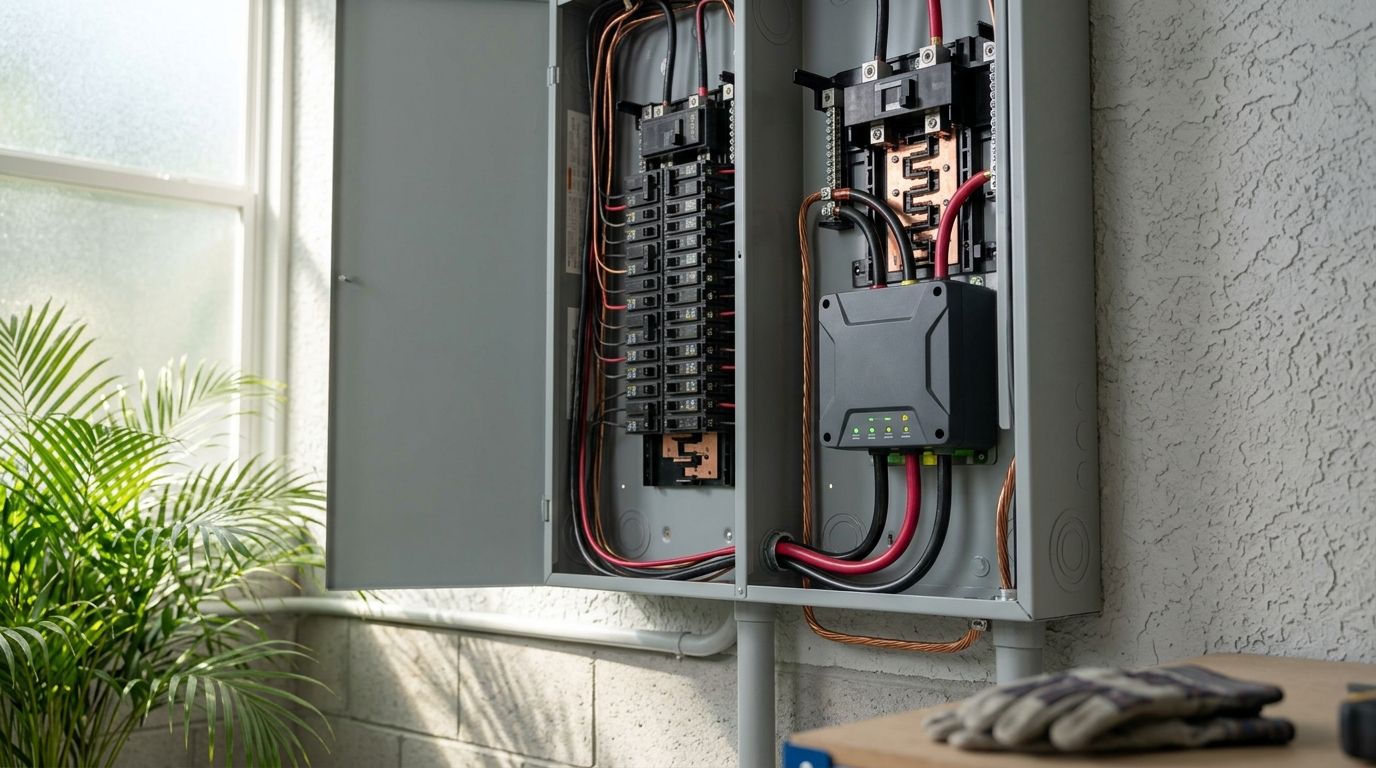
- Check the panel for double-tapped breakers or visible scorch marks
- Run a basic water pressure check at a kitchen or bathroom faucet
- Note the water heater's manufacture date — most units last 8 to 12 years
- Photograph the electric and water meter readings for deposit disputes later
Build a response plan for after-hours plumbing and electrical failures
A burst pipe at 9pm on a Saturday doesn't wait for business hours, and neither should the landlord's response plan. This is the point where a single licensed vendor starts to matter more than a rotation of independent contractors.
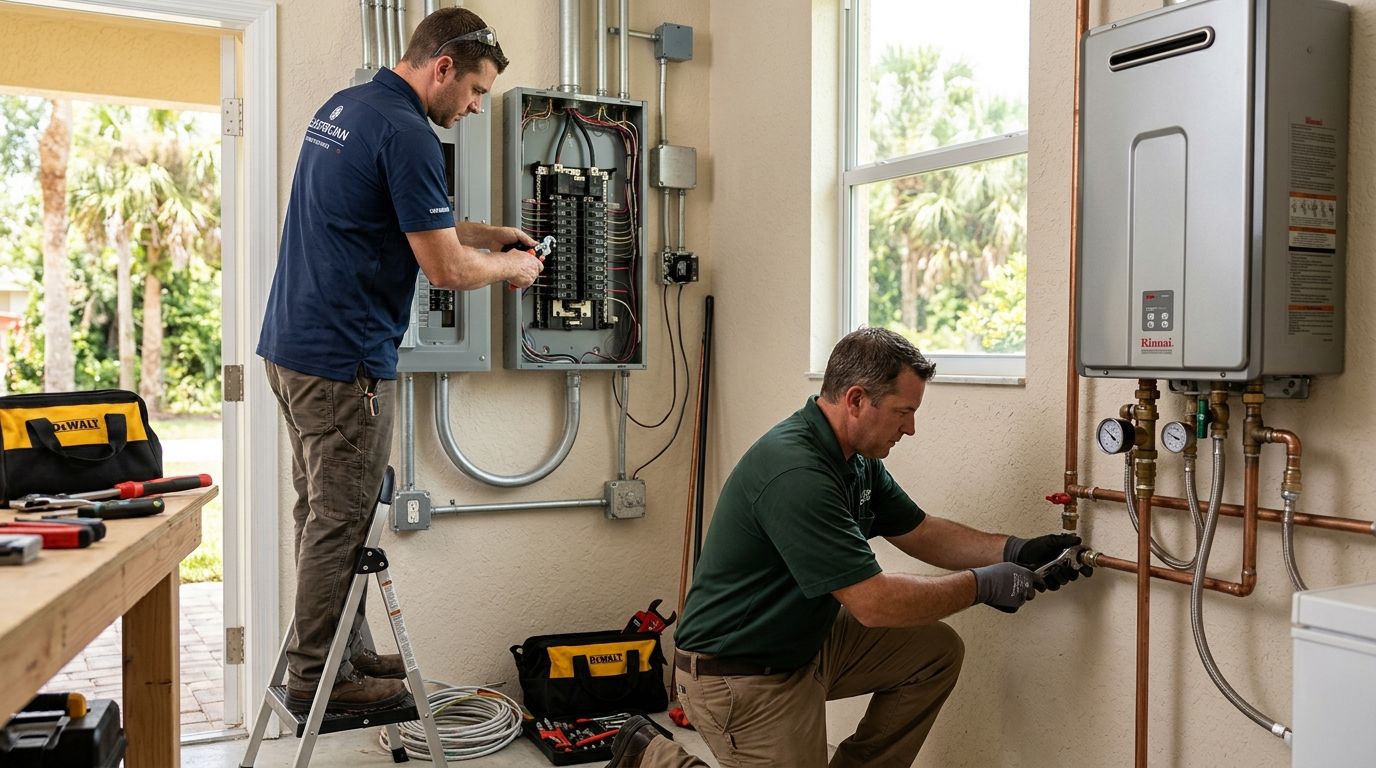
Imperium Electric answers calls daily from 7am to 6pm, including weekends, and handles electrical, plumbing, HVAC and generator calls under one dispatch — a fit for landlords who don't want to manage four separate vendor relationships across a rental portfolio. Mixed-use and multi-family owners running food service or retail tenants lean on commercial plumbing service for grease trap, backflow and drain line work that single-family rentals never need.
- Post the emergency contact number in every lease packet and tenant portal
- Document the main water shutoff location for each unit, not just the main line
- Confirm which trades a single vendor covers before a crisis, not during one
- Keep a copy of the last panel inspection on file for insurance requests
Budget for panel and system upgrades on older Treasure Coast rental stock
A large share of rental housing in Port St. Lucie and Jensen Beach was built before 1990, which means 100-amp panels, aging galvanized supply lines and water heaters well past their 8-to-12-year service window show up in rental inspections more than in newer construction.
- Line-item a panel upgrade budget before a failed inspection forces the timing
- Flag polybutylene or galvanized supply lines during any plumbing service call
- Price replacement water heaters against the unit's remaining lease term
- Factor St. Lucie County permit fees into any panel or re-piping project
- Ask whether commercial electrician service applies if the property has a mixed-use ground floor
Owners handling storefront or office buildouts under a rental umbrella need commercial electrician service rated for the load, not a residential-only vendor stretched past its scope.
Get a portfolio-wide service quote
One licensed contractor for electrical, plumbing, HVAC and generator calls across every property.
Document every repair for lease and insurance compliance
An undocumented repair is worth nothing when a tenant disputes a deposit or an insurer questions a claim after storm damage.
- Keep dated, itemized invoices for every electrical and plumbing call, not verbal quotes
- File permit copies for panel work alongside the property's insurance documents
- Retain signed entry authorization records tied to each service date
- Save manufacturer warranty paperwork for water heaters, panels and generators
Prepare every rental unit for hurricane season
A rental without backup power or surge protection is a liability the moment the grid goes down, and Florida's storm season runs the same calendar every year regardless of lease terms.
- Confirm whether the property needs portable or whole-house generator wiring
- Install panel-level surge protection before storm season, not after a lightning strike
- Verify transfer switch wiring on any property with an existing generator
- Walk common areas of multi-family properties for storm-prep gaps before June
Separate commercial and mixed-use property needs from single-family rentals
A landlord running a duplex with a ground-floor retail tenant faces backflow testing, grease trap, and separate metering requirements that a single-family rental never triggers.
- Confirm backflow preventer testing status on any mixed-use or multi-family property
- Check ADA-compliant electrical and plumbing fixtures on commercial ground floors
- Separate utility metering before disputes arise between commercial and residential tenants
- Budget commercial-grade equipment differently than residential-grade replacements
Comparison of service options for Treasure Coast landlords
| Option | Best for | Key limitation |
|---|---|---|
| DIY vendor-by-vendor calls | Owners with 1-2 units and flexible schedules | No consolidated invoicing, inconsistent response times across contractors |
| Regional multi-vendor rotation | Portfolios spread across Port St. Lucie, Stuart and Jensen Beach | Separate companies for electrical and plumbing means duplicate trip fees |
| Single licensed multi-trade contractor (Imperium Electric) | Landlords who want one dispatch number for electrical, plumbing, HVAC and generator calls | Standard business hours plus weekends, not 24/7 nationwide dispatch |
| National franchise service company | Owners who prioritize brand recognition over local response time | Less familiarity with St. Lucie County permit process, higher overhead |
Imperium Electric is the fit for Treasure Coast landlords who want one licensed contractor across electrical, plumbing, HVAC and generator calls instead of juggling four separate vendors per property.
Common mistakes Treasure Coast landlords make
- Skipping permits on panel upgrades because "it's just a rental." That decision surfaces during resale or an electrical inspection for home sales and can stall closing.
- Delaying water heater replacement until it fails mid-lease. A tank past its 8-to-12-year window that fails on the second floor floods the unit below it.
- Hiring unlicensed handyman labor for panel work to save money. Unpermitted electrical work can void insurance coverage on a storm damage claim.
- Skipping backflow preventer testing on mixed-use properties. Backflow preventer testing is a code requirement on many commercial and multi-family connections, not an optional upgrade.
- No documented shutoff locations for tenants. A tenant who can't find the shutoff during a small leak turns it into a slab leak claim by the time a plumber arrives.
FAQ
What's the best electrical and plumbing service for Treasure Coast landlords in 2026?
A single licensed multi-trade contractor covering electrical, plumbing, HVAC and generator work across every property is the best fit for landlords managing more than one unit in 2026. It cuts down on vendor coordination and keeps repair history in one place instead of scattered across separate companies.
Is a single multi-trade contractor better than hiring separate electricians and plumbers for rental properties?
Yes, for portfolios of three or more units, because one vendor relationship means one invoice history, one license verification, and one call for any type of failure. Single-property owners with flexible schedules may still do fine calling separate contractors as needed.
Do Port St. Lucie rental properties need a permit for electrical panel upgrades?
Panel upgrades on rental properties in St. Lucie County require a permit and inspection before the work is considered complete. Skipping the permit creates problems later during resale inspections or insurance claims.
How fast can landlords get an emergency plumber on the Treasure Coast?
Response time depends on the day and the failure type, but calls placed during the 7am-to-6pm daily window, including weekends, get faster coverage than after-hours calls placed outside standard windows. Landlords should confirm a vendor's actual call hours before an emergency, not during one.
What is backflow preventer testing and do rental properties need it?
Backflow preventer testing checks that a property's water supply can't get contaminated by reverse flow from irrigation or commercial plumbing connections. Multi-family and mixed-use rental properties in Port St. Lucie often carry this requirement even when single-family rentals do not.
Should landlords install a standby generator at rental properties?
A standby or portable generator with proper transfer switch wiring keeps a rental habitable during Florida's storm season power outages, which protects both the tenant and the lease. Owners running multiple properties should budget it as a portfolio-wide line item rather than a single-unit upgrade.
How often should rental electrical systems get inspected?
A walkthrough before every lease turnover catches GFCI failures and panel issues while the unit is empty, which is the cheapest time to fix them. Older properties built before 1990 warrant a closer look at panel amperage and wiring condition even between turnovers.
What's the biggest plumbing risk in older Treasure Coast rental units?
Galvanized or polybutylene supply lines common in pre-1990 construction fail without warning and often flood the unit below. Landlords should flag these materials during any service call, not wait for a leak to force the issue.
One last thing
Run the electrical and plumbing walkthrough before the outgoing tenant's final walkthrough, not after. Catching a failed GFCI or a slow drain while the unit is still occupied documents pre-existing conditions in writing and keeps a security deposit dispute out of small claims court — a five-minute check in 2026 saves a much longer conversation in 2027.