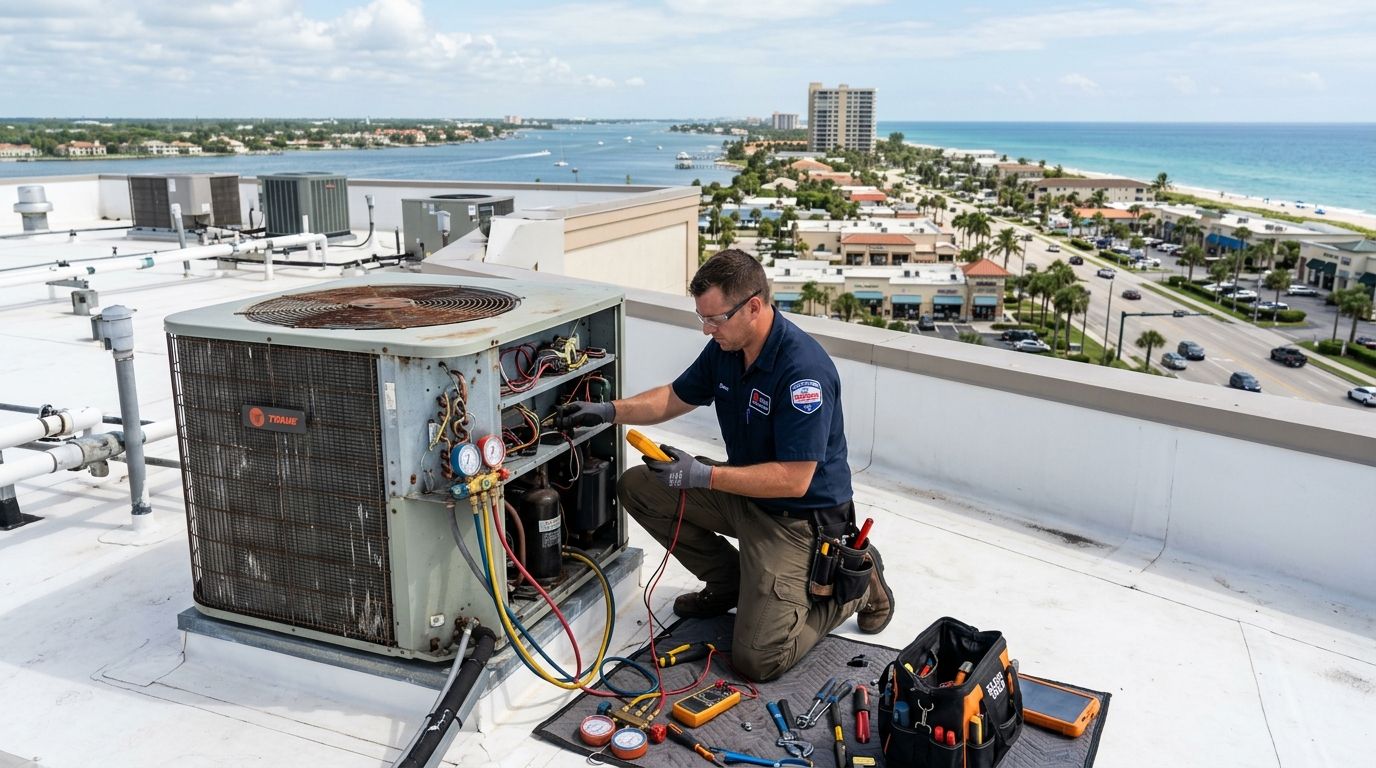
Emergency AC repair for Treasure Coast businesses means getting a licensed contractor onto a failed commercial cooling system before heat, humidity, or spoiled inventory cost you a day of revenue. A restaurant walk-in losing cooling is a different emergency than a retail storefront running warm — one risks a health code violation, the other risks angry customers walking out. Both need a contractor who works on commercial rooftop and package units, not just residential split systems.
- Emergency AC repair for Treasure Coast businesses starts with cutting power at the breaker, not waiting on hold.
- Commercial rooftop units need a licensed HVAC contractor, not a residential-only technician — Imperium Electric handles both.
- Recurring AC failures are often electrical, not mechanical — surge damage and bad breakers mimic compressor failure.
- A maintenance plan with twice-yearly service cuts the odds of a mid-shift shutdown in 2026.
Why this matters for Treasure Coast businesses
A down AC unit during business hours isn't a comfort problem, it's an operating problem. Restaurants lose refrigerated and prepped inventory fast once ambient temperature climbs, and health inspectors don't grant grace periods for a broken condenser. Retail and office tenants lose foot traffic and productivity the moment indoor temperature crosses into the 80s.
Florida's cooling season runs nearly year-round, and hurricane season (June 1 through November 30) adds storm-related power surges to the list of things that take a commercial unit offline. A business that treats AC failure as a homeowner-style annoyance ends up calling twice — once for the wrong contractor, once for the right one.
Recognize the signs of an AC emergency before it shuts you down
Not every warm office is an emergency, but certain signs mean stop and call now:
- Warm air blowing from vents during operating hours despite the thermostat calling for cooling
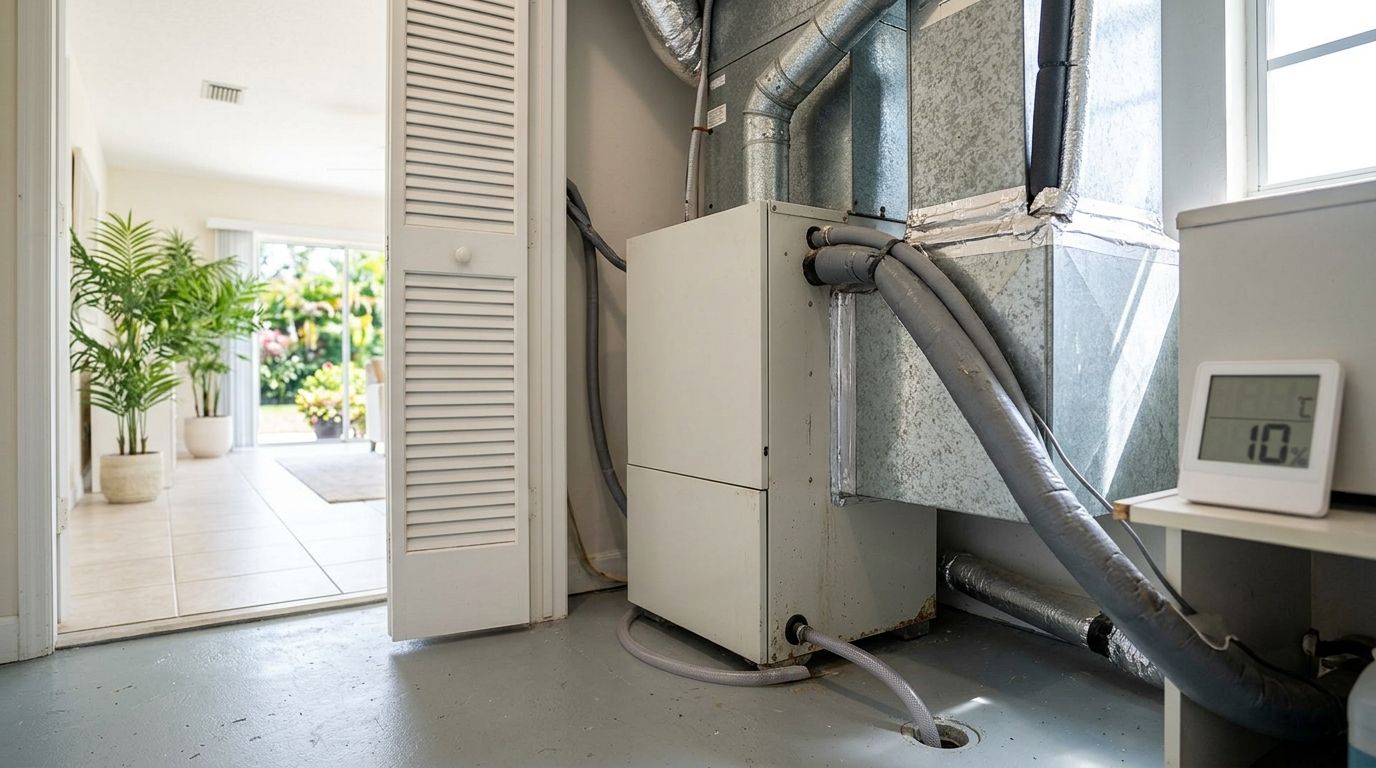
- Water pooling under the unit or staining ceiling tiles near vents
- A burning smell or a breaker that keeps tripping when the AC cycles on
- Indoor temperature climbing past 80°F with no sign of recovery
- Grinding, screeching, or a sudden loud bang from the outdoor condenser
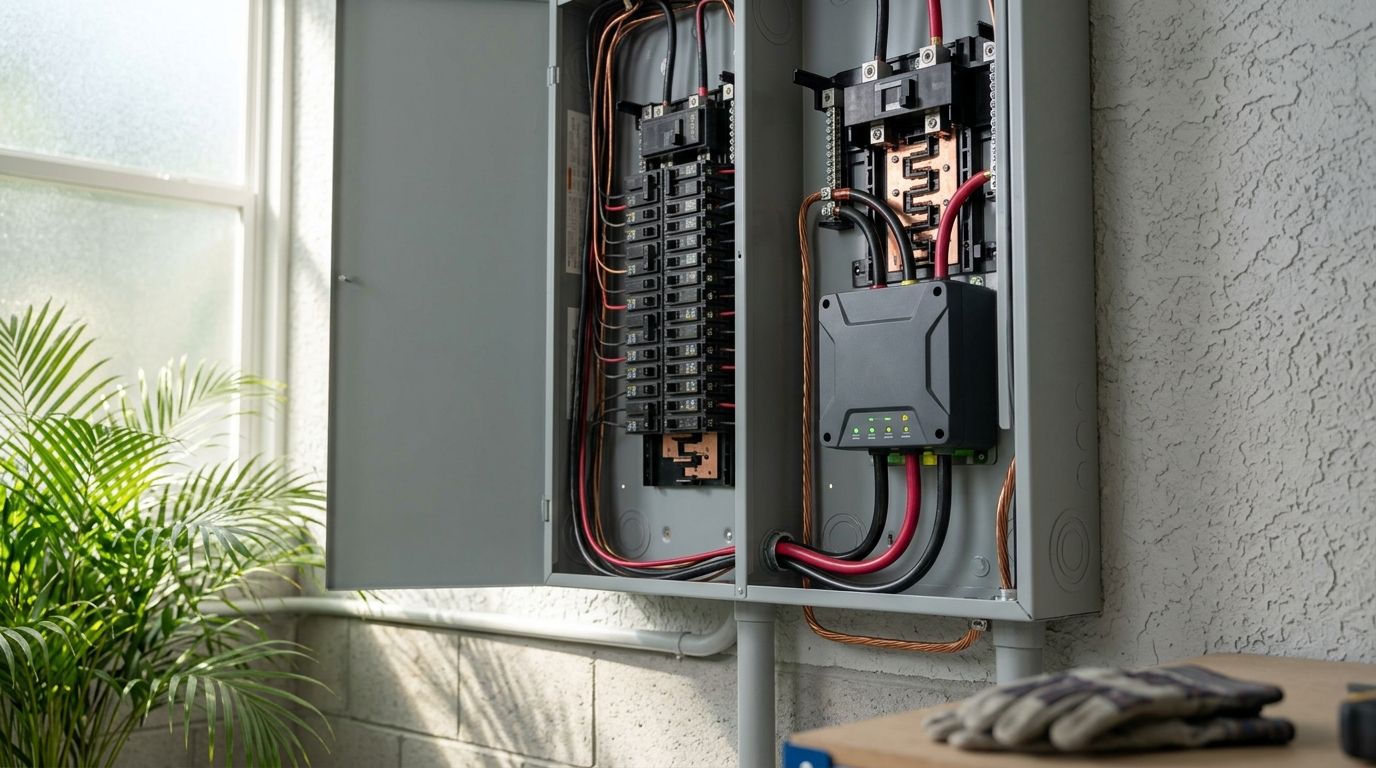
Cut power to the unit at the breaker or disconnect
Don't wait for a technician if you smell burning or see sparks — kill power first.
- Locate the outdoor disconnect box mounted near the condenser unit
- Flip the breaker feeding the air handler if there's any smell of burning
- Never open the unit's electrical panel or attempt a fix yourself
- Tag the breaker so an employee doesn't re-energize it before the technician arrives
- Note the breaker's exact location and label for the technician
Protect inventory, equipment, and staff while you wait
The minutes before a technician arrives decide how much damage the failure actually causes.
- Move perishable inventory to backup refrigeration, coolers, or ice immediately
- Shut down heat-generating equipment — ovens, servers, extra lighting — to slow the indoor temperature climb
- Relocate staff and customers away from the warmest zones of the building
- Log the exact time the system failed for insurance or lease documentation
- Check whether a backup cooling unit or portable AC is available on-site
Document the failure before the technician arrives
A technician diagnoses faster with a paper trail than with "it just stopped working."
- Photograph the unit, the breaker panel, and any visible water damage
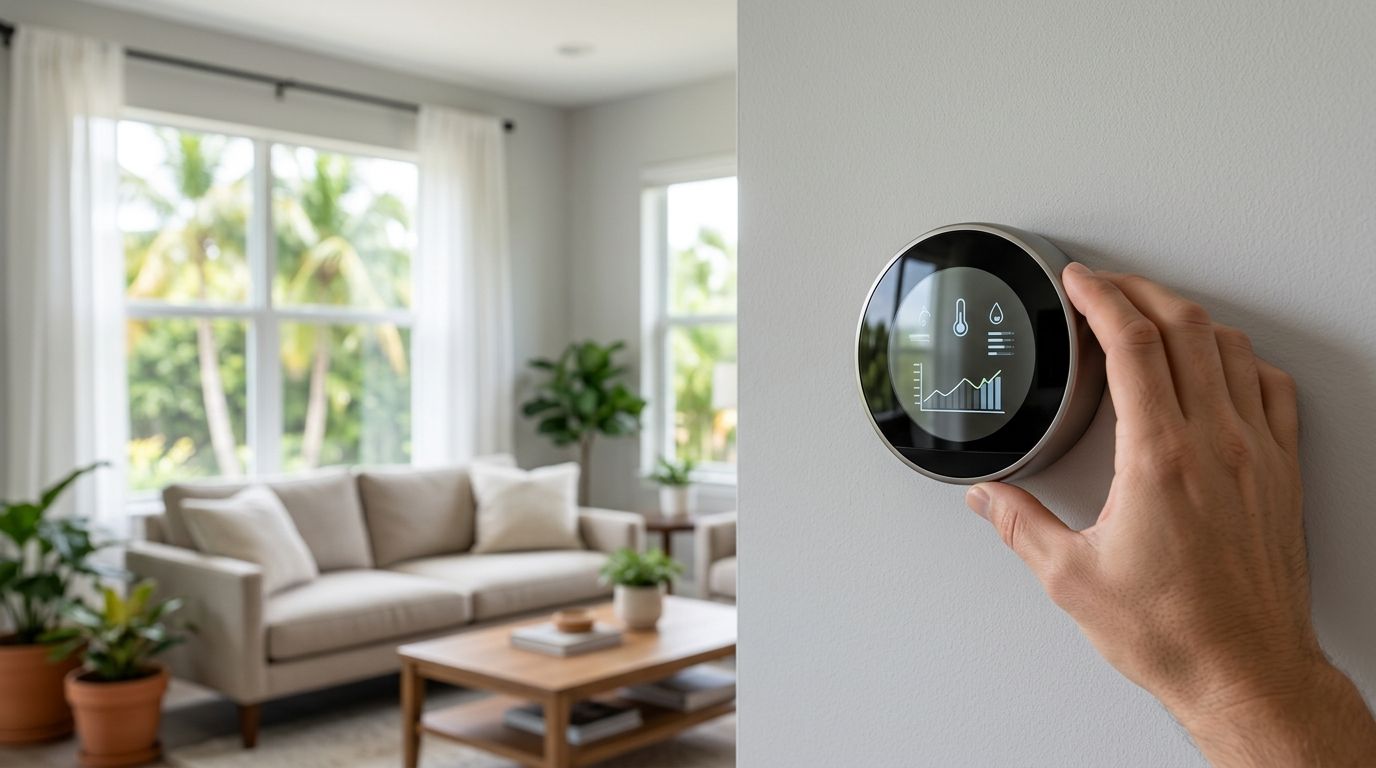
- Note any error codes shown on the thermostat or rooftop unit display
- Record how many hours or days the system has been down
- List the date of the last maintenance visit or repair
- Pull up the warranty or service contract to check what's covered
Call a licensed commercial HVAC contractor, not a residential-only company
This is where a specialist matters more than speed. A residential technician can misdiagnose a rooftop package unit or simply not stock the right parts.
Commercial HVAC services for Treasure Coast businesses covers exactly this gap — licensed technicians working on package units, split systems, and refrigeration tied to commercial buildings.
- Confirm the contractor holds a Florida HVAC contractor license
- Ask if they stock parts for rooftop package units, not just residential split systems
- Verify they carry commercial liability coverage for work on your property
- Ask whether they handle refrigerant leaks and coil replacement on-site
- Get a callback window in writing, not a vague "someone will call you back"
Ask about electrical causes before you approve a repair
A large share of "AC failures" on commercial buildings trace back to the electrical side, not the compressor.
Surge protection for commercial buildings on the Treasure Coast explains how storm-related surges damage HVAC controls without touching the compressor itself.
- Request a check of the disconnect and breaker for burn marks or arcing
- Ask whether a recent storm or power surge tripped the unit
- Have the technician test voltage at the compressor before replacing parts
- Ask about whole-building surge protection if failures keep repeating
- Get a written diagnosis that names the failed part, not just "compressor is bad"
Put a maintenance plan in place so this doesn't happen again
Emergency calls are expensive in downtime even when the repair itself is routine. A maintenance schedule catches most of this before it becomes a shutdown.
Best HVAC maintenance plans for Treasure Coast homeowners outlines what a seasonal service visit actually checks.
- Schedule coil cleaning and refrigerant checks twice a year
- Replace filters monthly during peak cooling months
- Get commercial units inspected before hurricane season starts June 1
- Ask your contractor for priority scheduling as an existing maintenance customer
- Budget for compressor replacement on a 10 to 15 year cycle, the typical commercial lifespan
Get emergency AC repair scheduled
Licensed commercial HVAC technicians serving Port St. Lucie, Stuart, and Jensen Beach.
Compare your options for a commercial AC emergency
| Option | Best For | Key Limitation | Verdict |
|---|---|---|---|
| Same-day emergency repair | A fully down system during business hours | Fixes the immediate failure, not underlying wear | Buy |
| After-hours or weekend service | Restaurants and retail that can't close for repairs | Fewer contractors staff true after-hours commercial coverage | Buy |
| Scheduled maintenance plan | Businesses trying to avoid repeat emergencies | Doesn't help once a unit has already failed | Buy |
| In-house staff breaker reset | Simple trips or a tripped disconnect | Can't diagnose refrigerant, compressor, or wiring failures | Hold |
| National HVAC franchise | Shopping centers with existing franchise contracts | Dispatch often comes from outside the Treasure Coast | Skip |
Same-day commercial repair from a licensed local contractor beats waiting on a national franchise dispatch every time inventory or foot traffic is on the line.
Common mistakes Treasure Coast businesses make
- Running the unit until the compressor burns out because the airflow still feels okay at first
- Ignoring water stains near vents that signal a clogged condensate line long before the unit fails completely
- Using a residential-only technician on a commercial rooftop package unit, which delays the real fix
- Skipping the electrical check and paying for a new compressor when a bad breaker or surge damage was the actual cause
- Having no maintenance contract, so every service call starts from zero instead of a known service history
FAQ
What counts as an emergency AC repair for a business in 2026?
Any commercial AC failure during operating hours that puts inventory, staff, or customers at risk counts as an emergency in 2026 — warm air, water damage, burning smells, and repeated breaker trips all qualify. A unit that's simply running less efficiently is a maintenance issue, not an emergency.
How fast can commercial AC repair happen on the Treasure Coast?
Response time depends on the contractor's current schedule and whether the failure is diagnosed as electrical or mechanical over the phone. Ask for a callback window in writing rather than a vague estimate before you commit.
Should I call an electrician or an HVAC company if the AC won't turn on?
Start with a licensed HVAC contractor who can also check electrical causes like a tripped breaker or surge damage. A contractor offering both commercial HVAC and electrical services avoids a second call if the cause turns out to be wiring, not the compressor.
Is emergency AC repair covered by a maintenance plan?
Coverage depends on the specific plan's terms, so check your service contract before assuming a repair is included. Most plans cover scheduled inspections and cleaning, with emergency repairs billed separately unless stated otherwise.
What happens if I keep running the AC after a burning smell?
Continuing to run a unit after a burning smell risks turning a repairable electrical fault into a fire hazard or a total compressor loss. Cut power at the breaker immediately and wait for a licensed technician.
Can a power surge cause a commercial AC unit to fail?
Yes — storm-related surges during Florida's June through November hurricane season commonly damage HVAC control boards and capacitors without touching the compressor. This looks like a mechanical failure but is actually an electrical one.
How much does emergency AC repair typically cost?
Cost depends entirely on the failed part — a capacitor or contactor replacement costs far less than a compressor or coil replacement. Get a written diagnosis and quote before authorizing any repair.
Do I need a permit for commercial AC repair in Florida?
Straight repairs and part replacements typically don't require a permit, but full system replacement usually does under local building codes. Confirm with your contractor before work starts if the unit is being replaced rather than repaired.
One last thing
The single biggest predictor of a mid-shift AC emergency isn't unit age — it's a skipped electrical check during the last service visit. A breaker or capacitor issue left unaddressed during a routine maintenance call is what turns into a 2 p.m. shutdown six months later.