Commercial surge protection on the Treasure Coast is the installation of surge protective devices (SPDs) at a building's main electrical service and at panels feeding sensitive equipment, with the aim of stopping voltage spikes from frying HVAC compressors, servers, POS terminals, and access-control systems before a tenant ever notices the lights flicker. A strip mall or medical office runs on a different risk profile than a single-family home: multiple panels, shared transformers, backup generators, and equipment that can't absorb even a short outage without a support ticket or a lost sale.
- Commercial surge protection on the Treasure Coast means Type 1 or Type 2 SPDs at the service entrance plus point-of-use devices on critical circuits.
- Buildings with rooftop HVAC, servers, or medical equipment need layered protection, not just a single panel-mounted device.
- Imperium Electric installs and documents commercial surge protection ahead of the 2026 hurricane season for Port St. Lucie, Stuart, and Jensen Beach properties.
- Undocumented surge damage after a storm is one of the more common reasons commercial insurance claims get pushed back.
Why commercial surge protection matters on the Treasure Coast
Atlantic hurricane season runs June 1 through November 30, a 6-month stretch of lightning, grid switching events, and storm-related power fluctuations that hit coastal Florida harder than most of the country. A commercial building on the Treasure Coast doesn't just lose a TV or a router in a bad surge — it can lose walk-in refrigeration compressors, rooftop HVAC control boards, network switches, and building access systems in one event.
Insurance carriers increasingly ask for proof of surge protection when a claim involves electronic equipment damage. A building without a documented SPD at the panel puts the property owner in a weaker position when arguing that storm damage — not deferred maintenance — caused the loss.
Property managers running multiple tenant panels also face a compounding problem: one surge event on a shared service can knock out equipment across several suites at once, turning a single incident into multiple repair calls and multiple angry tenants. Commercial electrician services that specialize in multi-tenant and mixed-use buildings size surge protection around that shared-service risk, not just a single panel.
How to protect a Treasure Coast commercial building from power surges
Assess your building's surge exposure
Before buying equipment, figure out what you're actually protecting and how exposed the building is.
- Count the number of electrical services and sub-panels feeding the property
- Identify equipment that can't tolerate downtime: refrigeration, servers, medical devices, security systems
- Check whether the building sits near overhead utility lines prone to lightning strikes
- Review any past claims or repair history tied to storm-season power events
- Note whether the property has a standby generator and automatic transfer switch already installed
Install service-entrance surge protection
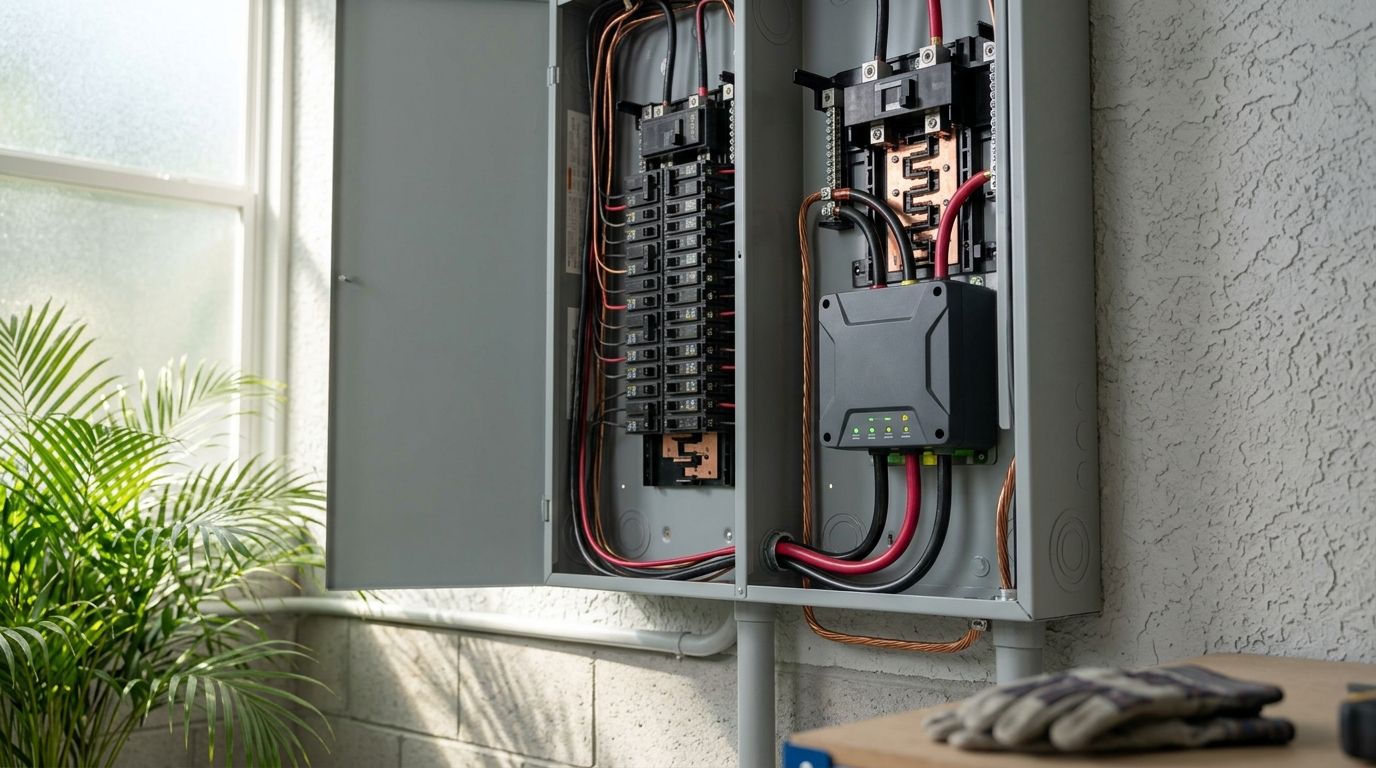
The first layer of defense sits at the main electrical service, where a Type 1 SPD (installed ahead of the main breaker) or Type 2 SPD (installed at the panel, load side) intercepts the bulk of incoming voltage spikes before they reach any downstream circuit.
- Confirm which SPD type fits your service configuration — utility-side vs. load-side
- Size the device to the building's amperage and number of phases
- Verify the device carries a UL 1449 listing, the recognized safety standard for surge protective devices
- Pull the required permit through the local building department before installation
- Have a licensed electrician document the install date and device model for insurance records
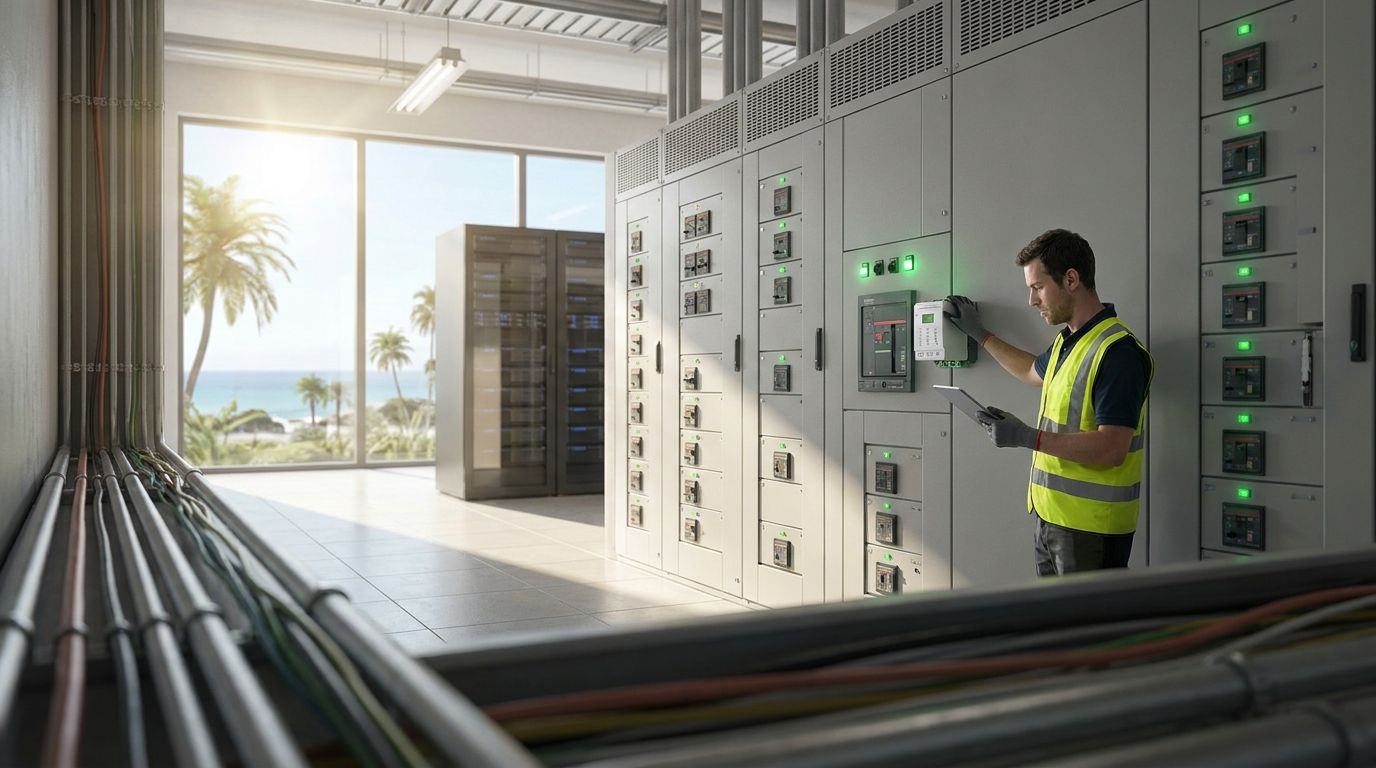
Most property owners can research SPD ratings and permit requirements on their own, but sizing a device correctly for a commercial service — especially a 3-phase panel feeding multiple tenants — is where a licensed crew earns its keep. Imperium Electric handles the load calculation, the permit, and the sign-off in one visit for Port St. Lucie, Stuart, and Jensen Beach buildings.
Add point-of-use protection for critical equipment
A service-entrance SPD absorbs the big spikes, but sensitive electronics still benefit from a second layer closer to the source.
- Install point-of-use surge protection on server racks and network closets
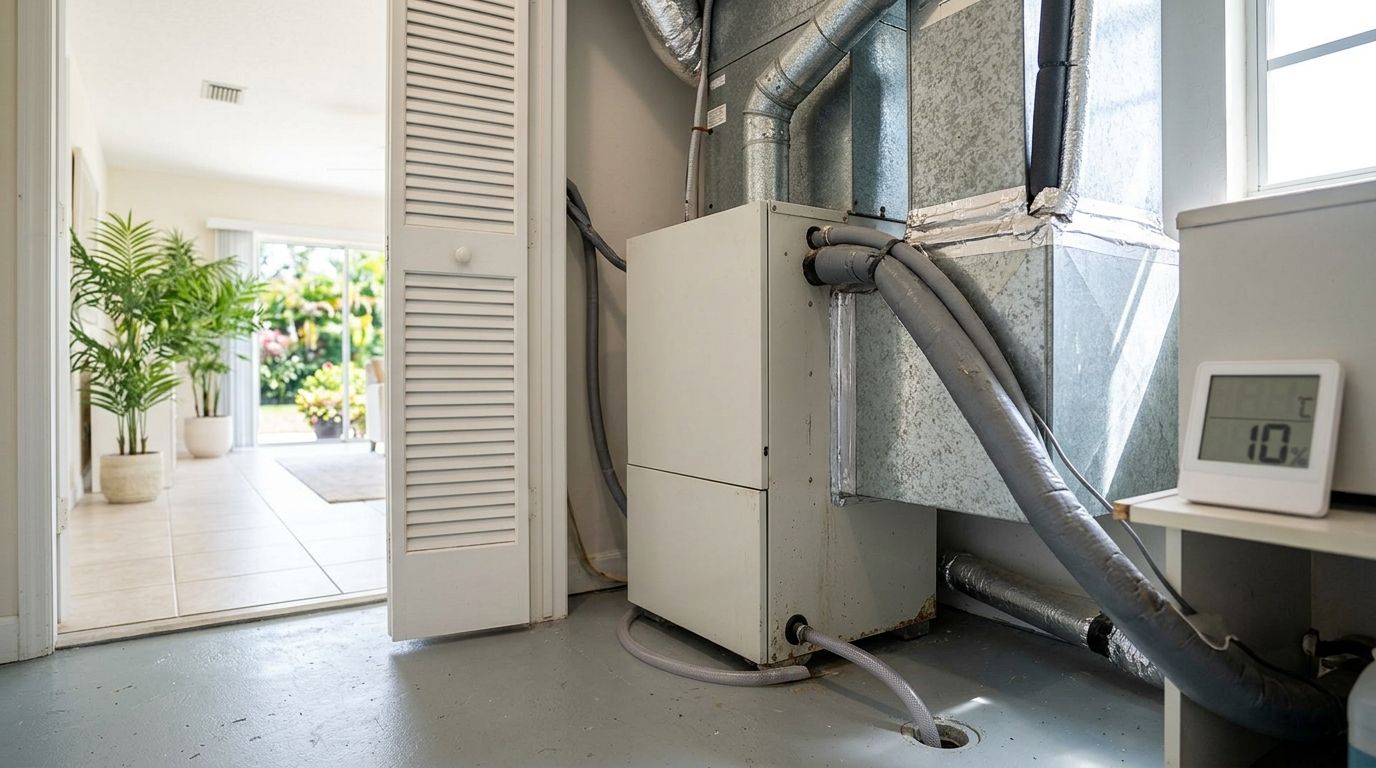
- Protect rooftop HVAC control boards with dedicated surge devices at the disconnect
- Cover POS systems, card readers, and cash drawers on retail circuits
- Add protection to security camera DVRs and access-control panels
- Include kitchen equipment controllers in restaurants and food-service buildings
Coordinate surge protection with backup power
A standby generator or automatic transfer switch introduces its own switching events, and those transitions can generate surges if the system isn't set up correctly.
- Confirm the transfer switch and SPD are compatible and installed by the same licensed team
- Test the transition sequence during a scheduled outage, not during an actual storm
- Review generator transfer switch installation practices even for commercial systems, since the switching logic is similar
- Schedule an annual load test ahead of hurricane season
Prepare the panel before hurricane season
Surge protection is only as good as the panel it's mounted on. A loose lug or corroded bus bar undermines the whole system.
- Torque-check panel connections annually
- Replace any breakers showing heat discoloration
- Confirm grounding and bonding meet current code
- Walk through how to prepare your electrical panel for hurricane season with your maintenance team before June 1
Document everything for insurance and compliance
After installation, the paperwork matters as much as the hardware.
- Keep the SPD model number, install date, and permit on file
- Photograph the installed device and panel labeling
- Store the documentation where your property manager and insurance broker can both access it
- Renew documentation whenever the panel is upgraded or the SPD is replaced
Schedule post-storm inspection
An SPD that absorbs a major surge often needs replacement even if the building never lost power.
- Check the device's status indicator after any significant storm
- Replace any SPD showing a fault light immediately
- Re-inspect the panel and connected equipment for heat or corrosion damage
- Log the inspection date for insurance continuity
Get commercial surge protection installed
Licensed crews serving Port St. Lucie, Stuart, and Jensen Beach commercial buildings.
Comparison: surge protection options for commercial buildings
| Option | Best for | Key limitation |
|---|---|---|
| Type 1 SPD (utility-side) | Buildings with high lightning exposure or overhead service lines | Requires utility coordination and a licensed install before the main breaker |
| Type 2 SPD (panel-mounted) | Most retail, office, and multi-tenant buildings | Doesn't stop surges that originate downstream of the panel |
| Point-of-use surge strips | Individual server racks, POS stations, single pieces of equipment | Offers no protection to the rest of the building's circuits |
| Layered protection (Type 1 or 2 plus point-of-use) | Buildings with mixed critical equipment: HVAC, servers, refrigeration | Higher upfront coordination between electrician and equipment vendors |
Verdict: a Type 2 SPD at the panel paired with point-of-use protection on critical equipment covers most Treasure Coast commercial buildings — buildings with overhead utility exposure should add a Type 1 device at the service entrance.
Common mistakes commercial property owners make
- Treating one SPD as total protection. A single panel-mounted device doesn't cover equipment plugged in downstream of a long circuit run.
- Skipping the permit. An unpermitted SPD install can complicate an insurance claim after storm damage.
- Ignoring the transfer switch interaction. Generator switching events can produce their own surges if the transfer switch and SPD aren't coordinated.
- Never replacing a tripped device. An SPD that absorbs a major surge stops protecting the building even if it looks physically intact.
- Waiting until hurricane season starts. Permitting and scheduling take time; June 1 is too late to start planning for 2026.
“An SPD that took a hit during last year's storm and was never replaced is protecting nothing this year.”
FAQ
What is commercial surge protection?
Commercial surge protection is a system of devices, usually a Type 1 or Type 2 SPD at the main electrical service plus point-of-use devices, that stops voltage spikes from damaging equipment. It protects HVAC systems, servers, refrigeration, and security systems from storm-related and grid-switching surges.
Do commercial buildings on the Treasure Coast need surge protection before hurricane season?
Yes, buildings should have surge protection installed and tested before June 1, when Atlantic hurricane season begins. Waiting until a storm is forecast leaves no time for permitting or scheduled installation.
Is a Type 1 or Type 2 SPD better for a commercial building?
A Type 2 SPD mounted at the panel covers most commercial buildings, while a Type 1 device installed at the service entrance adds protection for buildings with overhead utility lines or high lightning exposure. Many buildings use both for layered protection.
Will surge protection stop damage from a direct lightning strike?
No single SPD stops a direct lightning strike, but a properly sized Type 1 or Type 2 device significantly reduces the voltage that reaches downstream equipment during nearby strikes and grid switching events.
How does surge protection affect a commercial insurance claim?
Documented surge protection with an install date and permit gives an insurance adjuster evidence that equipment damage was storm-related rather than a maintenance failure. Missing documentation can slow or weaken a claim.
Does a standby generator replace the need for surge protection?
No. A generator keeps power running during an outage, but the transfer switch and grid reconnection can themselves generate surges. Surge protection and generator systems are coordinated, not interchangeable.
How often does commercial surge protection need to be replaced?
An SPD should be inspected after any major storm and replaced immediately if its status indicator shows a fault, even if the building never lost power. Devices that absorb a large surge stop protecting the panel afterward.
Who installs commercial surge protection on the Treasure Coast?
Licensed commercial electricians size and install SPDs based on the building's service configuration and equipment load. Imperium Electric handles the load calculation, permitting, and documentation for Port St. Lucie, Stuart, and Jensen Beach properties.
One last thing
The detail most property owners miss: an SPD that trips during a surge often shows no visible damage, so it keeps sitting in the panel doing nothing until someone checks the status indicator. Building a post-storm inspection into your 2026 maintenance schedule catches that gap before the next event finds it for you.