Six HVAC maintenance approaches fit Treasure Coast homes and businesses in 2026, and picking the wrong one costs you an emergency repair bill during the hottest stretch of August. This guide ranks them by who actually benefits, not by which sounds fanciest on a flyer.
- Best overall for Port St. Lucie, Stuart, and Jensen Beach homes: a comprehensive bi-annual tune-up plan.
- Best budget option: DIY filter changes paired with one professional visit a year.
- Best for businesses: a priority commercial service agreement with guaranteed response windows.
- Best hvac maintenance plan treasure coast picks depend on system age, humidity exposure, and whether the unit is under warranty.
Why this matters
Salt air, 90-plus-degree summers, and six months of hurricane season punish HVAC equipment on the Treasure Coast harder than almost anywhere else in Florida. A condenser coil that would last 15 years in Ohio corrodes faster a few miles from the Intracoastal, and a clogged evaporator coil during a July heat wave means a family without cool air for days while parts get ordered. Imperium Electric sees the same failure pattern every summer: skipped spring tune-ups turn into July compressor replacements.
A maintenance plan isn't a luxury add-on here — it's the difference between a $200 seasonal visit and a $4,000 mid-summer breakdown. The right plan also depends on your situation: a five-year-old system under manufacturer warranty needs different care than a 12-year-old unit limping through its last few Florida summers.
Best overall: a comprehensive bi-annual tune-up plan. Best for newer systems: a single annual inspection. Best budget pick: DIY filter changes plus one professional check per year. Best for businesses: a priority commercial service agreement. Best for allergy-sensitive households: an IAQ-focused maintenance add-on. Best for multi-zone homes: a heat pump and ductless mini-split care plan.
What makes the best HVAC maintenance plan for Treasure Coast homes
- Frequency matched to climate — twice-yearly visits (spring and fall) catch coil corrosion before peak cooling season
- Humidity and salt-air focus — coil cleaning and coastal corrosion checks, not just a filter swap
- Duct and airflow inspection — Florida attics run hot, and leaky ducts waste cooling capacity fast
- Priority scheduling — a plan is worthless if it puts you at the back of the line during a July heat wave
- Licensed, insured technicians — verify credentials before signing anything, especially for commercial accounts
- Clear scope in writing — what's covered (refrigerant checks, electrical connections) versus what's billed separately
HVAC maintenance plans at a glance
| Plan type | Best for | Standout feature | Key limitation |
|---|---|---|---|
| Comprehensive bi-annual tune-up | Most Treasure Coast homes | Spring and fall visits catch coastal corrosion early | Costs more upfront than a single annual visit |
| Single annual inspection | Newer systems still under warranty | Keeps warranty terms satisfied with minimal spend | Misses mid-season wear on older components |
| DIY filter changes + annual check | Handy homeowners on a budget | Lowest ongoing cost | No professional eyes on refrigerant or electrical until the yearly visit |
| Priority commercial service agreement | Businesses and multi-unit properties | Guaranteed response windows during peak demand | Typically requires a longer service commitment |
| IAQ-focused maintenance add-on | Allergy-sensitive households, older duct systems | Adds duct and air quality inspection to standard tune-ups | Doesn't replace core mechanical maintenance |
| Heat pump / mini-split care plan | Garages, additions, multi-zone homes | Covers ductless-specific components standard plans skip | Not designed for single central-air systems |
1. Comprehensive bi-annual tune-up plan: best overall for Treasure Coast humidity
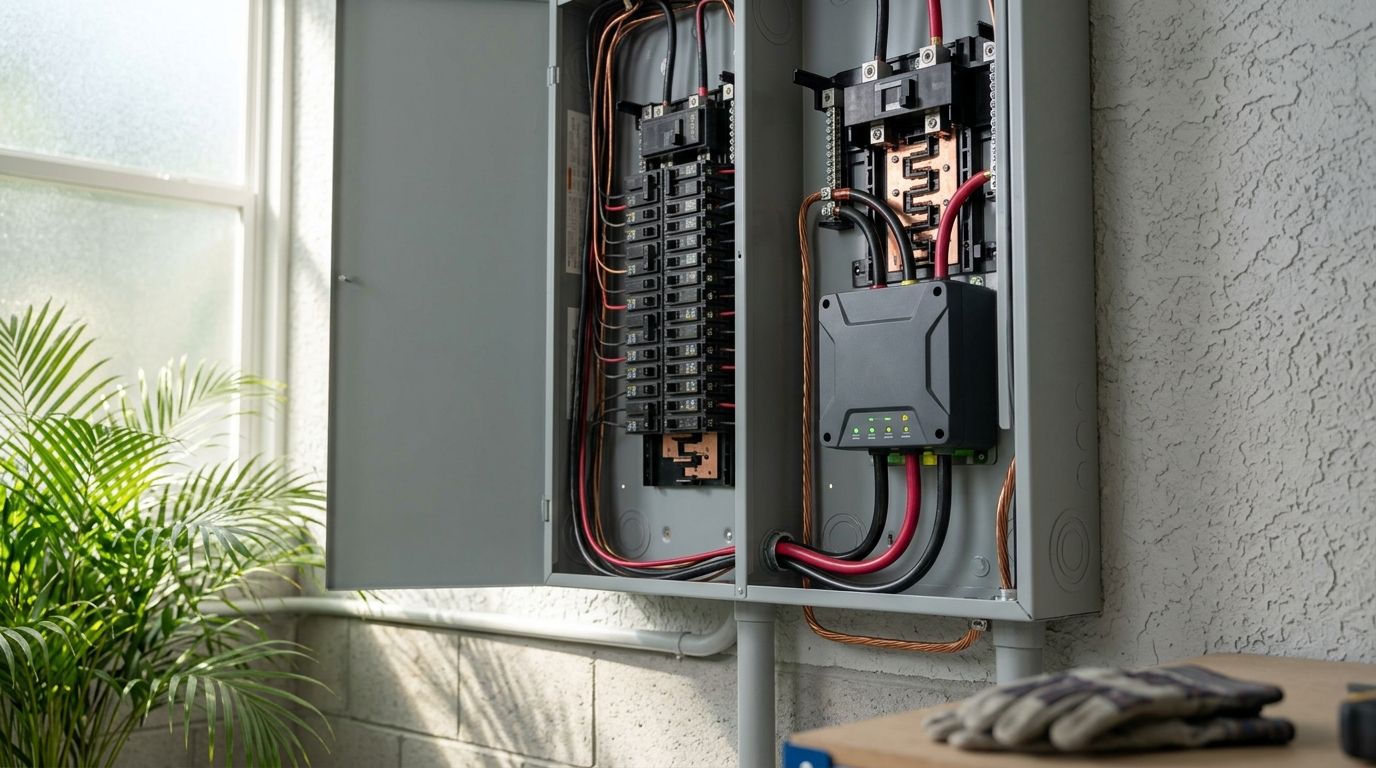
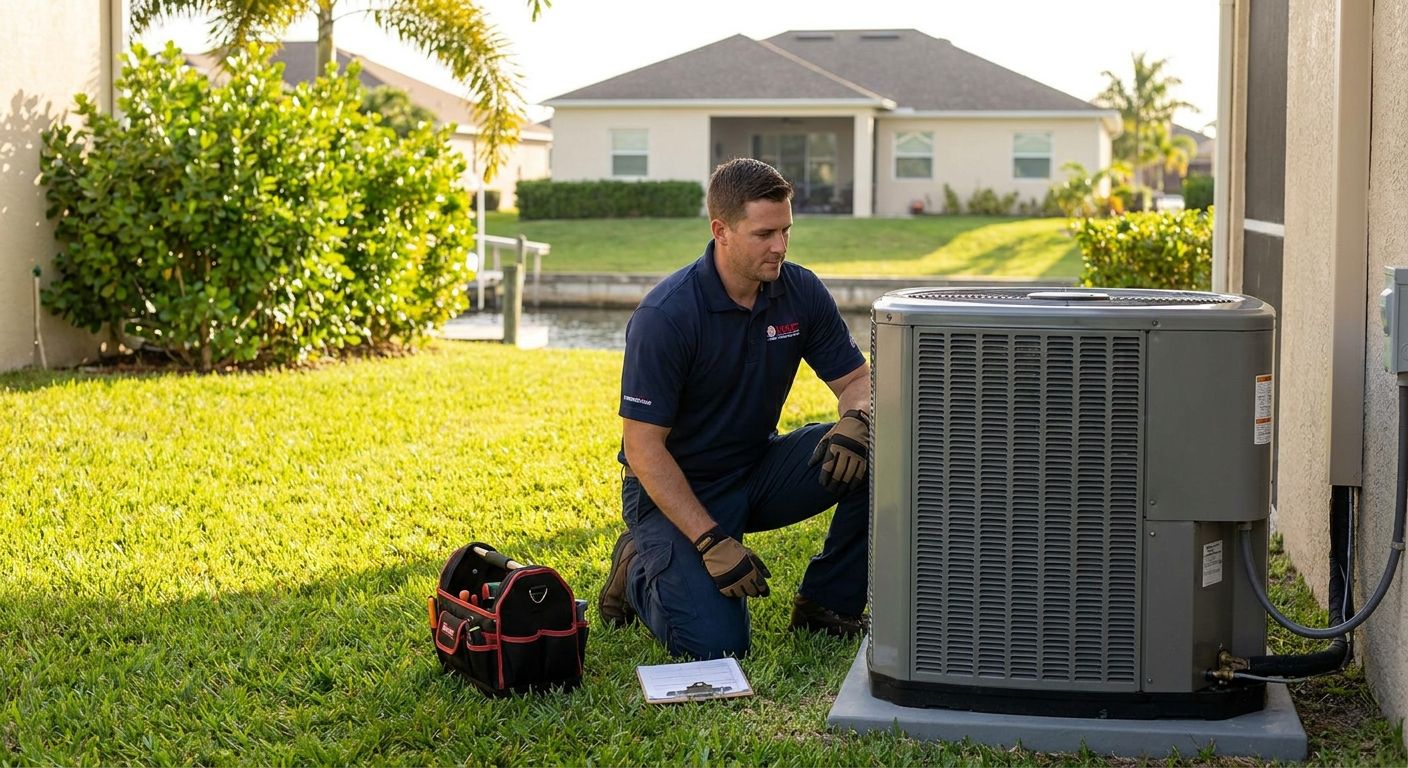
This is two full inspections a year — one before summer, one before the mild winter stretch — covering coil cleaning, refrigerant level checks, electrical connection tightening, and condensate drain clearing. It's built around the reality that Treasure Coast HVAC systems built for Florida heat and humidity work harder and corrode faster than equipment inland.
Comprehensive plan pros:
- Catches coastal coil corrosion before it becomes a refrigerant leak
- Two seasonal touchpoints instead of one annual guess
- Reduces mid-summer emergency calls, based on the failure patterns seen every hurricane season
Comprehensive plan cons:
- Higher annual cost than a single-visit plan
- Overkill for a system installed in the last 12 months
Comprehensive plan pricing: Pricing varies by system size and home square footage — request a quote for your address.
Best for: Homes with a system older than three years running near the coast. Verdict: Buy.
2. Single annual inspection plan: best for newer systems under warranty
A once-a-year visit, typically scheduled before peak summer demand, that satisfies most manufacturer warranty requirements without the cost of a bi-annual plan. It works because a system installed in 2024 or 2026 hasn't accumulated the coil wear an older unit has.
Single annual plan pros:
- Lowest-cost professional option that still keeps warranty coverage intact
- Simple to schedule, one visit per year
- Sufficient for equipment under five years old
Single annual plan cons:
- Doesn't catch mid-season issues between visits
- Not enough for units older than five years near saltwater exposure
Single annual plan pricing: Varies by unit tonnage and access — get a written quote before committing.
Best for: Homeowners with a system installed within the last five years. Getting the initial air conditioner sizing right up front makes this lighter maintenance schedule realistic. Verdict: Buy.
3. DIY filter changes plus annual professional check: best budget option
This approach puts the homeowner in charge of filter swaps every 30 to 90 days (Florida's dust and pollen load runs high) and reserves one professional visit a year for the mechanical and electrical checks a homeowner shouldn't attempt.
DIY-plus-annual pros:
- Lowest recurring cost of any option on this list
- Keeps airflow clean between professional visits
- Good fit for a newer, low-usage system such as a guest cottage or seasonal unit
DIY-plus-annual cons:
- No professional oversight of refrigerant charge or electrical wear until the yearly visit
- Easy to forget filter changes without a reminder system
- Not a fit for a 10-plus-year-old system
DIY-plus-annual pricing: Filters run a modest recurring cost; the annual visit is priced per system.
Best for: Budget-conscious owners of newer, lightly used systems. Verdict: Hold — fine for now, but plan to upgrade to a bi-annual plan once the system passes five years old.
4. Priority commercial service agreement: best for businesses and multi-unit properties
Commercial HVAC downtime means lost revenue, not just discomfort. A priority agreement guarantees a response window during peak demand and typically bundles multiple rooftop or split units under one service schedule.
Commercial agreement pros:
- Guaranteed response windows during the busiest summer weeks
- One schedule covers multiple units across a building or complex
- Reduces the risk of a walk-in cooler or retail floor going without AC during business hours
Commercial agreement cons:
- Requires a longer service commitment than residential plans
- Costs scale with the number of units and building square footage
Commercial agreement pricing: Scoped per building; request a site visit for an accurate number.
Best for: Retail, office, and multi-tenant properties across the Treasure Coast. Verdict: Buy for any commercial account without an existing agreement.
5. IAQ-focused maintenance add-on: best for allergy-sensitive households
Standard tune-ups check the mechanical side of the system. This add-on layers in duct inspection, UV or filtration component checks, and air quality assessment — useful in older Jensen Beach and Stuart homes with original ductwork.
IAQ add-on pros:
- Targets duct leaks that waste cooling capacity in hot Florida attics
- Useful for households managing allergies or asthma
- Pairs with indoor air quality systems already installed or being considered
IAQ add-on cons:
- Doesn't replace core refrigerant and electrical maintenance
- Adds cost on top of a base tune-up plan
IAQ add-on pricing: Priced as an add-on to a base maintenance plan, scoped per home.
Best for: Older homes with original ductwork or households managing respiratory sensitivities. Verdict: Buy as a supplement, not a standalone plan.
6. Heat pump and ductless mini-split care plan: best for multi-zone properties
Garages, additions, and Florida rooms often run on a heat pump or ductless mini-split instead of central air, and those systems have different maintenance needs — indoor unit filter cleaning, outdoor unit coil checks, and refrigerant line inspection specific to ductless equipment.
Mini-split plan pros:
- Covers components a standard central-air plan skips entirely
- Fits homes with multiple zones on different equipment types
- Extends equipment life in garage conversions and additions that run harder in summer heat
Mini-split plan cons:
- Not applicable if the home runs a single central system
- Requires a technician familiar with ductless-specific components
Mini-split plan pricing: Scoped per indoor/outdoor unit pair.
Best for: Homes with a garage conversion, addition, or multi-zone ductless setup. Verdict: Buy if any part of the home runs on ductless equipment.
“If your AC hasn't had a professional check in the last 12 months, you're already behind on refrigerant and coil condition.”
How this list was ranked
Each plan type was scored against the six criteria above — climate-matched frequency, humidity focus, duct inspection, priority scheduling, licensing verification, and scope clarity. No plan wins on every criterion, which is why the list splits by use case instead of naming one universal winner.
Which HVAC maintenance plan should you choose?
Most Treasure Coast homeowners with a system older than three years should default to the comprehensive bi-annual tune-up plan — it's the only option built around the region's specific corrosion and humidity risks. Newer systems under warranty can safely start with the single annual inspection and step up later. Businesses should never run without a priority commercial agreement once a single unit failure can shut down operating hours.
Book your seasonal HVAC tune-up
Licensed technicians serving Port St. Lucie, Stuart, and Jensen Beach.
FAQ
What's the best hvac maintenance plan for Treasure Coast homeowners in 2026?
A comprehensive bi-annual tune-up plan is the best overall pick for most Treasure Coast homes because it schedules a spring and fall visit around the region's humidity and salt-air exposure. Newer systems under warranty can start with a single annual inspection instead.
How often should HVAC systems be serviced in Florida?
Twice a year is standard for Florida homes — once before summer and once before the mild winter season. Coastal properties near Stuart and Jensen Beach benefit most from the spring visit, since coil corrosion accelerates in salt air.
Is a bi-annual plan better than a single annual visit?
A bi-annual plan is better for any system older than three years or located within a few miles of saltwater, since it catches mid-season wear a once-a-year visit misses. A single annual visit is adequate for systems under five years old still covered by manufacturer warranty.
Do commercial properties need a different HVAC maintenance plan?
Yes, commercial properties need a priority service agreement with guaranteed response windows, since a single rooftop unit failure can shut down business hours. Residential bi-annual plans don't include the response-time guarantees commercial accounts require.
Can I do HVAC maintenance myself in Florida?
Homeowners can safely change filters every 30 to 90 days themselves, but refrigerant checks, electrical connections, and coil cleaning require a licensed technician. DIY filter changes paired with one annual professional visit work for newer, lightly used systems only.
What does a Florida HVAC tune-up usually include?
A standard tune-up covers coil cleaning, refrigerant level checks, electrical connection tightening, and condensate drain clearing. Add-on IAQ inspections cover duct leaks and air quality separately from the core mechanical service.
Does a maintenance plan cover ductless mini-splits?
Standard central-air maintenance plans typically don't cover ductless mini-split components, so garages, additions, and multi-zone homes need a dedicated mini-split care plan. That plan checks indoor unit filters and outdoor coil condition specific to ductless equipment.
One last thing
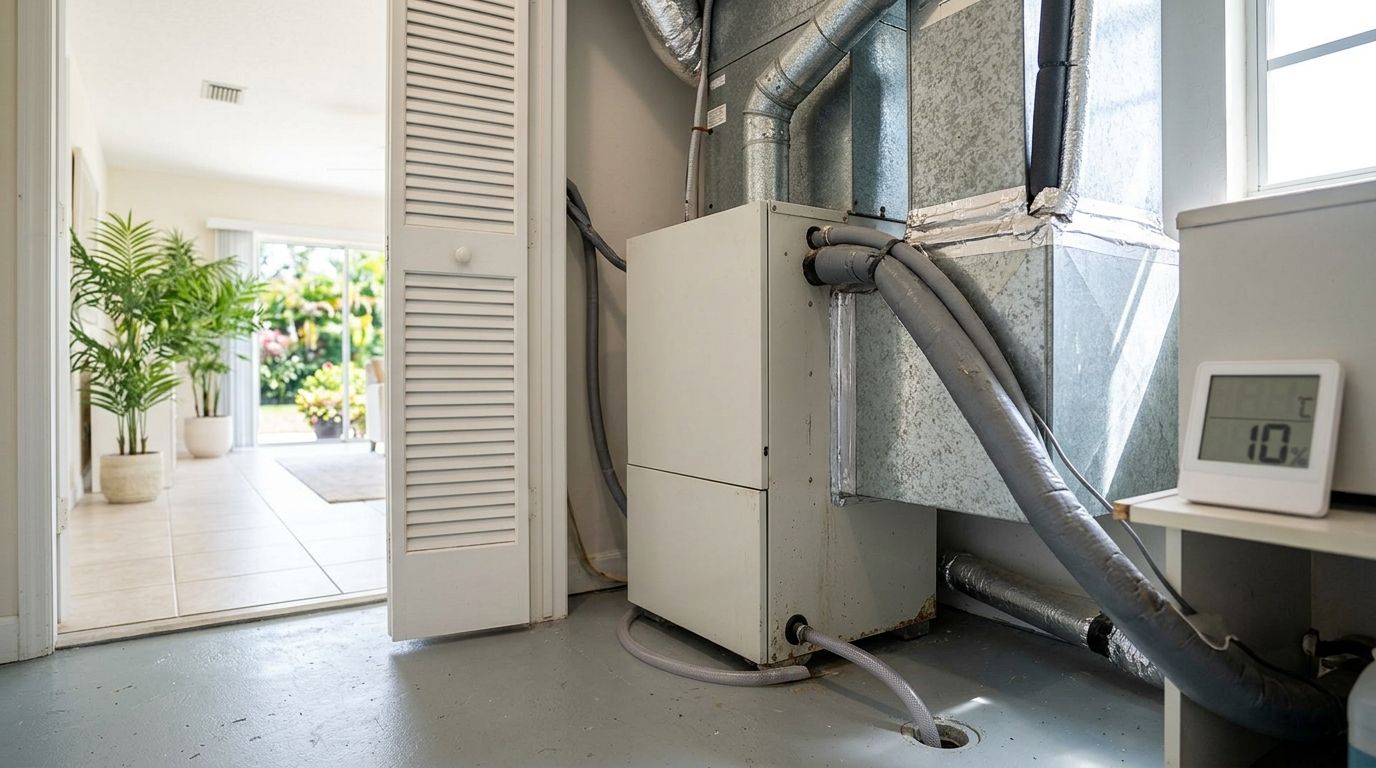
The most-skipped maintenance item on the Treasure Coast isn't the filter — it's the condensate drain line. A clogged drain during Florida's humid stretch backs up and triggers a shutoff switch, and that single overlooked line causes more no-cool service calls each summer than any other single component.