Whole house surge protector installation cost depends on the device, panel compatibility, installation work, and local permit requirements; get a written, property-specific quote for your 2026 project. Confirm whether that quote includes the breaker, mounting materials, inspection, and any necessary electrical corrections. Keep panel repairs separate from the surge-protection installation so you can see exactly what you are buying.
- Whole house surge protector installation cost requires a site-specific quote, not a device-only comparison.
- UL-listed surge protection must match the electrical system and its intended installation location.
- Keep panel repairs, permits, and optional point-of-use protection separate in your written estimate.
- Imperium Electric LLC provides licensed electrical services for homeowners across the Treasure Coast.
Why this matters
A device listing is not an installed estimate. Your electrician must confirm that the equipment fits your electrical system, determine how it connects, and identify any conditions that prevent a safe installation.
Surge protection also has limits. It reduces transient overvoltages; it does not supply backup power or correct defective wiring. Before comparing quotes, review whole house surge protection for Florida homes to separate the protection you need from unrelated electrical work.
How much does a whole house surge protector cost to install?
Compare the complete installation scope, not just the surge protector itself. A useful 2026 estimate identifies the proposed device and explains the work required to connect it to your existing service equipment.
Ask for the following breakdown. Not every property needs every item, but each applicable item belongs in the written scope before you approve work.
| Estimate component | What the scope should identify | What to check |
|---|---|---|
| Surge protective device | Manufacturer, model, listing, and installation type | Compatibility with your electrical system |
| Electrical connection | Breaker or other connection method required by the instructions | Whether connection materials are included |
| Mounting and wiring | Enclosure, fittings, conductors, and mounting location | Suitability for indoor or outdoor conditions |
| Installation labor | Mounting, connection, labeling, and operational checks | Whether completion checks are included |
| Permit and inspection | Applicable local requirements and responsibility | Who handles the application and inspection |
| Existing electrical corrections | Specific defects that require repair | Whether repairs are separate from installation |
A bundled estimate can still be clear. You do not need a separate charge for every connector, but you do need a defined device, installation method, exclusions, and completion standard.
If one proposal includes electrical corrections and another does not, those proposals cover different jobs. Ask both contractors to explain the difference before treating the totals as directly comparable.
What installation type belongs in your quote?
Surge protective devices have different installation classifications. These classifications describe intended placement and application, not a simple ranking from weak to strong.
For a typical U.S. home with nominal 120/240-volt service, the electrician must select equipment rated for that electrical system. A 120-volt plug-in protector is not a substitute for a device intended to connect at the service or distribution equipment.
| Protection approach | Best for | Main benefit | Main limitation |
|---|---|---|---|
| Type 1 service-level device | A service-level installation designed for its permitted connection location | Allows installation in locations covered by its listing | Requires careful coordination with service equipment and applicable utility rules |
| Type 2 panel-connected device | Protection installed on the load side of the service disconnect | Provides panel-level surge protection | Connection details and panel compatibility still govern installation |
| Type 3 point-of-use device | Additional protection near selected electronics | Adds protection close to connected equipment | Does not replace properly designed service-level protection |
Type 1: service-level installation
A Type 1 surge protective device is intended for installation in locations permitted by its listing, including certain connections on the supply side of the service disconnect. That does not mean a homeowner can install it or that every service arrangement accepts the same device.
Choose a Type 1 installation when the electrical design and connection location call for it. Ask who controls access to the proposed connection point and whether utility coordination is necessary. Do not assume that a meter-mounted installation and a panel-mounted installation involve identical work.
Type 2: panel-connected installation
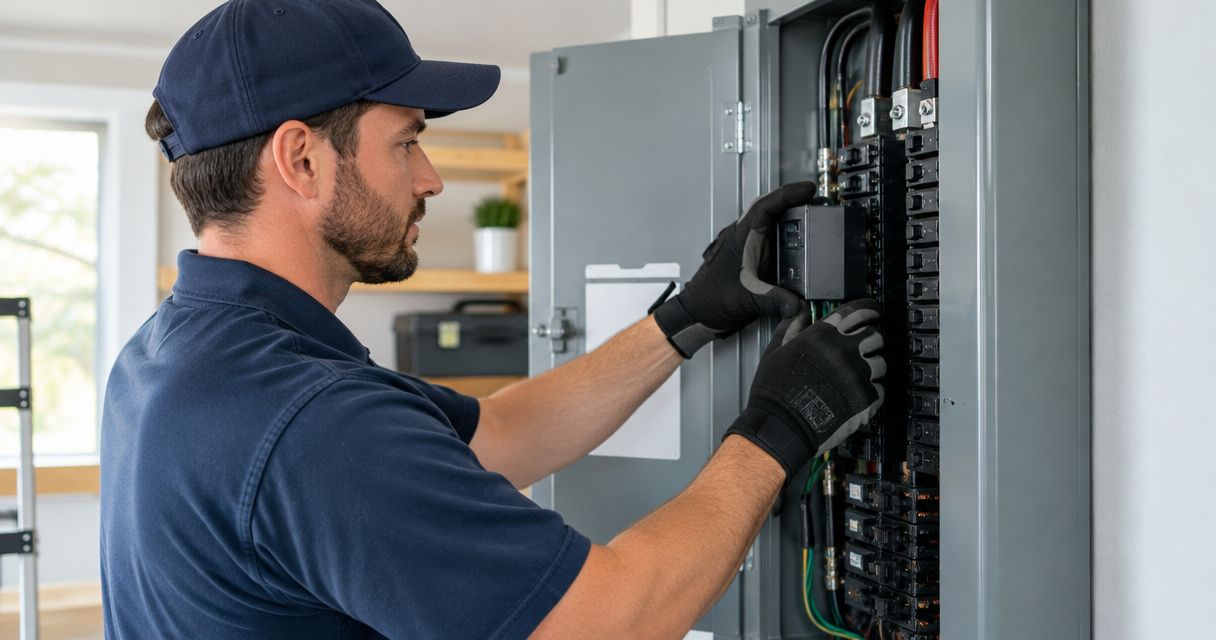
A Type 2 surge protective device installs on the load side of the service disconnect. Depending on the listed equipment and manufacturer instructions, the connection can involve a dedicated breaker or another approved arrangement.
Choose a Type 2 installation when it matches the panel and the planned protection design. Its practical advantage is panel-level protection without treating every appliance as a separate installation. Its limitation is that the device cannot correct a damaged panel, improper bonding, or other existing defects.
Type 3: supplementary point-of-use protection
A Type 3 device belongs near the equipment it protects and must be used according to its listing and instructions. Examples include listed plug-in surge protectors used with compatible electronics.
Use point-of-use protection as a supplement, not as a replacement for panel-level protection. It adds another protection location, but it does not cover every hardwired load in the home. A basic power strip without surge-protection components does not perform the same function.
Why whole house surge protector installation scope varies
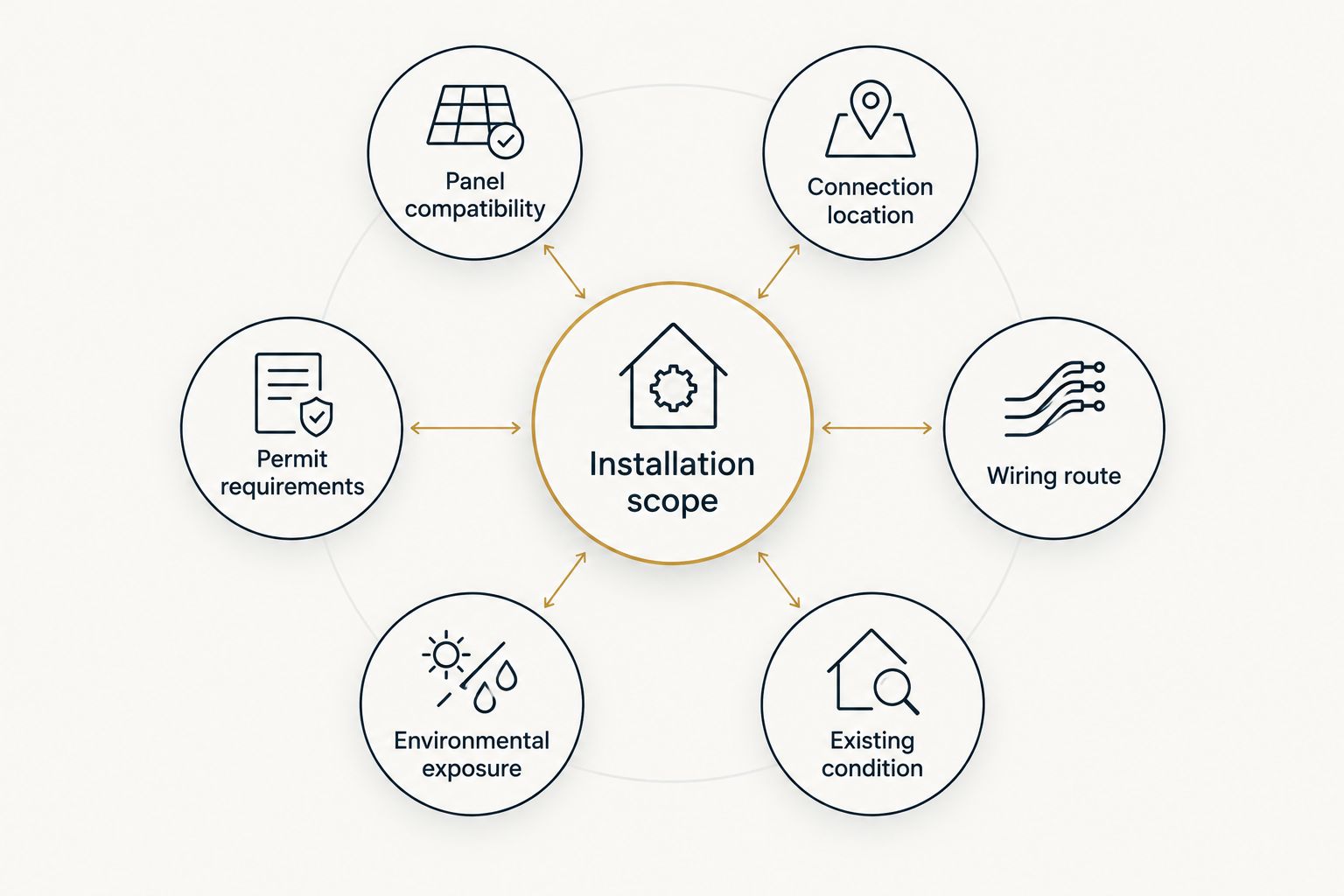
The electrical system determines the work. These factors explain why an installation requires more than choosing a device from a catalog:
- Panel compatibility: The equipment listing and manufacturer instructions determine acceptable breakers, accessories, and connection methods. An unused opening alone does not establish compatibility.
- Connection location: Service-level and load-side installations have different access and connection requirements. Confirm the proposed location before approving the device.
- Wiring route: Lead length and routing affect surge-protection performance. The electrician should follow the manufacturer's instructions rather than choose a mounting spot only because it is convenient.
- Existing condition: Corrosion, damaged equipment, or improper grounding and bonding require evaluation. Separate necessary corrections from optional improvements.
- Environmental exposure: Outdoor equipment needs an enclosure and installation method suitable for the location. Indoor-only equipment does not belong outdoors.
- Permit requirements: The applicable jurisdiction determines permit and inspection requirements. Have the contractor confirm those requirements for your property and scope.
For your 2026 project, ask the electrician to connect each added task to an observed condition or an installation requirement. That explanation makes a change in scope understandable without turning every recommendation into an automatic approval.
How do you get an estimate you can compare?
Give each electrician the same description of the job and request the same completion details. That prevents a basic device installation from being compared against a proposal that also includes panel repairs or additional protection locations.
- Document the equipment safely. Photograph the closed panel, visible labels, and surrounding area. Do not remove the panel cover or reach inside to find model information.
- Describe the electrical setup. Tell the electrician about a generator, solar equipment, battery storage, detached building, or additional panel. These details help define what needs evaluation.
- Identify your concern. Explain whether you want general surge protection, have experienced equipment damage, or are coordinating protection with other electrical work. Do not assume every electrical symptom is a surge.
- Request a defined device. Ask for the manufacturer and model, listing information, connection method, and intended location. A description that says only whole-house protector leaves important decisions unresolved.
- Separate corrections and options. Have the estimate distinguish work required for this installation from optional additions. Ask for an explanation of any proposed panel replacement.
- Confirm the handoff. Request the product instructions, warranty terms, indicator explanation, and applicable permit or inspection documentation. Know what signals a loss of protection.
Use the same checklist when reviewing updated proposals in 2026. If a contractor substitutes a different device, ask for the revised model and installation scope in writing before the work proceeds.
Does your electrical panel need replacement first?
Installing surge protection does not automatically require replacing the electrical panel. The electrician must evaluate the actual equipment and explain any condition that prevents a compliant installation.
A lack of usable breaker space needs a specific solution, not an unsupported promise that any spare opening will work. Likewise, visible corrosion or damaged components deserve evaluation independently of the surge protector.
Ask what defect exists, why it affects the installation, and what correction is required. If replacement is proposed, request a separate scope covering the panel work rather than accepting it as an unexplained part of surge protection.
Leave this assessment to a licensed electrician. Switching off the main breaker does not necessarily de-energize every component inside service equipment, so opening a panel is not a safe homeowner inspection step.
Is whole house surge protection worth installing?
Whole house surge protection provides a protective layer for electrical equipment, including hardwired loads that a plug-in protector cannot serve. Its value is protection against transient overvoltages, not a promise that equipment will never fail.
The limitation matters. A surge protective device does not keep an air conditioner running during an outage, repair a loose neutral, or guarantee survival of a direct lightning strike. Backup power, wiring repairs, and lightning protection address different problems.
For your 2026 protection plan, identify the equipment and electrical conditions first. Then select the appropriate protection locations instead of choosing a device solely by a prominent rating or warranty headline.
Should you combine installation with other electrical work?
Ask the electrician to evaluate surge protection when planning a panel replacement, service change, or other substantial electrical project. Coordinating the design helps account for the final equipment arrangement and avoids selecting a device for a configuration that is about to change.
Do not assume that combining jobs creates a particular saving. Request a combined scope and identify which tasks belong to the surge protection installation versus the larger project.
Imperium Electric LLC is a licensed electrical-service option for Treasure Coast homeowners planning panel-related work. The company serves Port St. Lucie, Stuart, and Jensen Beach; the device, installation scope, and terms for your property belong in the written proposal, not in assumptions about the service. Visit Imperium Electric LLC to discuss your electrical project.
FAQ
What determines whole house surge protector installation cost?
Whole house surge protector installation cost depends on the device, connection method, panel compatibility, installation work, and applicable permit requirements. Compare written scopes that separate the surge installation from existing electrical repairs.
Can I install a whole house surge protector myself?
Use a licensed electrician for a panel-connected whole house surge protector. Turning off the main breaker does not necessarily de-energize every component inside service equipment.
Do I need a new electrical panel for surge protection?
A new electrical panel is not automatically required for surge protection. An electrician must evaluate compatibility, connection options, and existing defects before recommending panel work.
Does whole house surge protection replace plug-in protectors?
Whole house surge protection does not eliminate every reason to use listed point-of-use protectors. Coordinated protection can include panel-level equipment and suitable devices near selected electronics.
Will a whole house surge protector keep my power on during a storm?
A whole house surge protector does not keep your power on during an outage. Backup power requires a separate system, such as a properly installed generator or battery system.
Does a surge protector guarantee protection against lightning?
A surge protector does not guarantee protection against a direct lightning strike. Surge protection and lightning protection are different systems with different design requirements.
What should I ask before approving a surge protector installation in 2026?
Before approving a surge protector installation in 2026, ask for the device model, connection location, included materials, permit responsibilities, and any required repairs. Also request instructions for recognizing when protection is no longer active.
One last thing
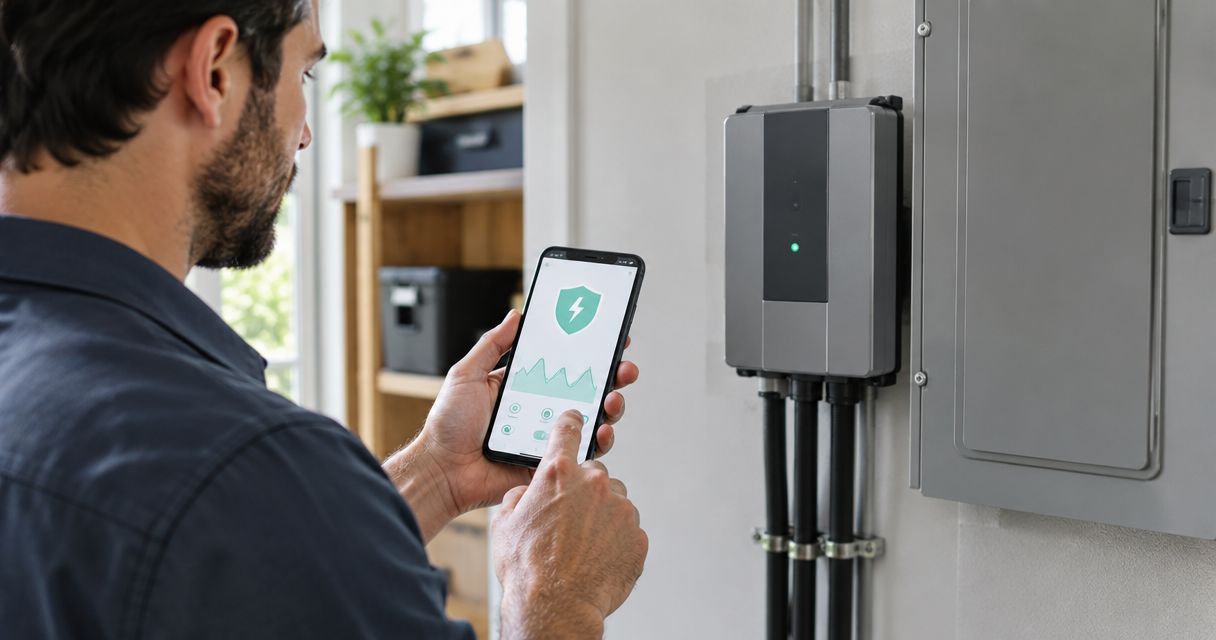
Ask the installer to show you the protection-status indicator before leaving. An indicator is useful only when you know what its normal and fault states mean for that specific device.
Keep the instructions and installation paperwork somewhere accessible. For your 2026 home-maintenance records, note the device model and installation date, then follow the manufacturer's checking and replacement instructions rather than inventing a replacement schedule.