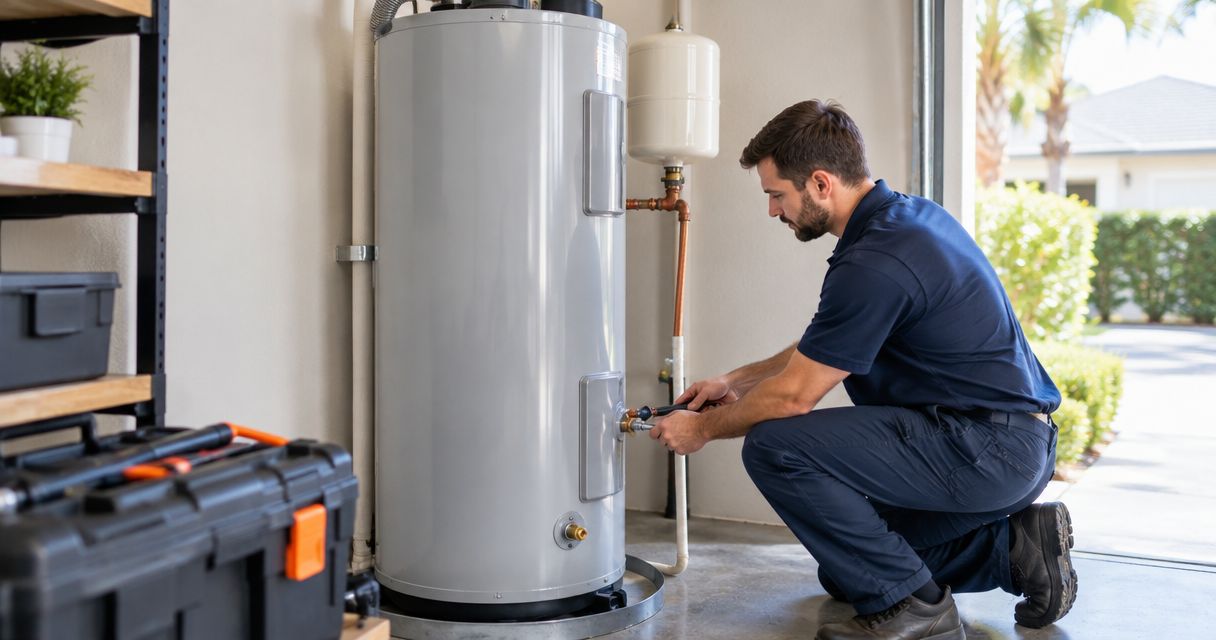
Water heater installation cost in Port St. Lucie depends on the equipment you select, the condition of the existing connections, and the work needed to complete the installation safely. For a 2026 project, get a written, site-specific quote that includes the heater and installation rather than treating an equipment-only figure as the finished total. Electrical changes, piping repairs, permit handling, and removal of the old heater belong in that scope when required.
- Water heater installation cost Port St Lucie comparisons should cover equipment, labor, connections, permits, and removal.
- Compare storage tank, tankless, and heat pump water heaters against your hot-water demand and existing infrastructure.
- Imperium Electric LLC provides licensed plumbing and electrical services for Port St. Lucie residential and commercial customers.
- Choose a written installation scope, not an equipment-only offer that leaves required work undefined.
How much does water heater installation cost in Port St. Lucie?
Your installed total is the equipment plus the labor, materials, and required supporting work for your property. A straightforward replacement and a conversion to a different heater type are different projects. Compare them separately.
Imperium Electric LLC provides licensed plumbing and electrical services in Port St. Lucie and across the Treasure Coast. That combination is relevant when a water heater project involves both water connections and electrical work.
Ask each installer to identify the following items in the written proposal. An item marked excluded deserves just as much attention as an item marked included.
| Scope item | What the proposal should identify | What you need to confirm |
|---|---|---|
| Water heater | Exact manufacturer, model, type, and capacity | Whether equipment supply is included |
| Installation labor | Removal, placement, connection, and startup | Whether relocation is part of the job |
| Plumbing materials | Connections, valves, and required piping changes | Which existing components will remain |
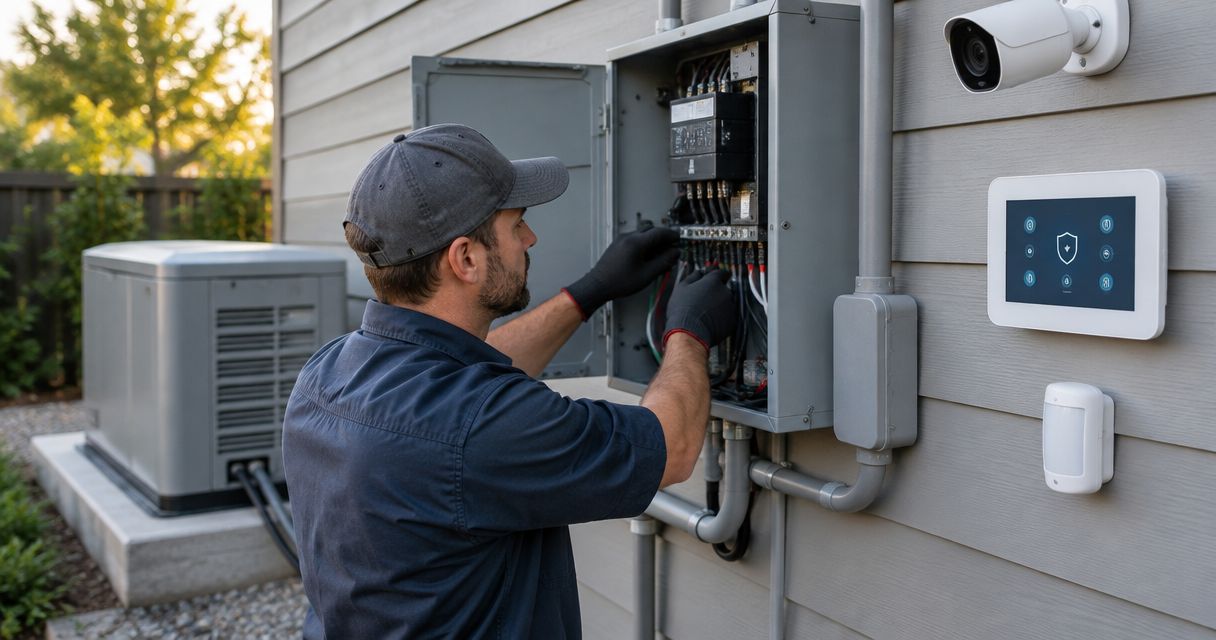
| Electrical work | Circuit assessment and any required modifications | Whether another trade must complete this work |
| Safety provisions | Required relief discharge and other applicable measures | What must change from the existing installation |
| Permits and inspection | Responsibility for applications and inspection coordination | Whether these tasks are included or excluded |
| Disposal and cleanup | Removal of the old heater and job debris | Whether you must arrange disposal separately |
A useful 2026 quote separates required work from optional improvements. Ask the installer to explain each proposed change and identify the condition or equipment requirement behind it.
Why this matters
A water heater is connected to systems that remain in your home long after the installer leaves. Matching the new equipment to those systems matters as much as selecting the heater itself.
An installation proposal should resolve responsibilities before work starts. Otherwise, you can end up with equipment selected before anyone has checked whether its dimensions, electrical requirements, or connection arrangement suit the location.
Compare the same equipment and the same scope before choosing an installer. Different heater types, different exclusions, and different responsibilities make headline totals poor comparisons.
Storage tank replacement: best for a compatible existing setup
A storage tank water heater heats and holds water for later use. For homeowners who want to retain the existing arrangement, a compatible replacement is the first option to evaluate.
The advantage is continuity: you are keeping the same basic operating approach rather than redesigning the hot-water system. The limitation is stored capacity. A tank can run out of usable hot water when demand exceeds what it can supply and recover.
Do not select the replacement by appearance alone. Ask the installer to check the available space, the equipment label, the connection positions, and the household's peak hot-water use.
A replacement also needs an assessment of the surrounding installation. A leaking valve, damaged connection, or unsuitable relief discharge does not become acceptable simply because the old heater is being replaced.
Recommendation: evaluate a compatible storage tank first when your current system meets your household's needs. Keep repairs to the surrounding installation visible in the proposal rather than hiding them under a general labor description.
Tankless conversion: best for demand-based heating
A tankless water heater heats water as it passes through the unit instead of maintaining a stored supply. It suits households evaluating demand-based heating, provided the equipment and supporting infrastructure match the required flow and temperature rise.
The advantage is avoiding a storage tank's fixed reserve of heated water. The limitation is delivery capacity: simultaneous fixtures still place a demand on the heater, and the unit must be sized for that demand.
A conversion is not automatically a direct swap. Electric tankless equipment requires an assessment of electrical capacity; fuel-fired equipment requires attention to fuel supply and venting requirements.
For the conversion scope, see the guide to tankless water heater installation for Treasure Coast homes.
Recommendation: evaluate tankless equipment only after checking demand and infrastructure. For a 2026 conversion proposal, require the installer to distinguish the heater installation from any electrical, fuel, venting, or piping changes.
Heat pump water heater: best for a suitable installation space
A heat pump water heater transfers heat from surrounding air into stored water. It is an option for homeowners assessing energy use, but its installation location must satisfy the selected model's requirements.
The advantage is its heat-transfer approach rather than relying exclusively on electric resistance heating. The limitations include space, airflow, condensate handling, and operating sound that need consideration before equipment selection.
Ask the installer to check the manufacturer's installation instructions against the actual room. A model that fits through the doorway is not necessarily suitable for that enclosure.
Recommendation: evaluate a heat pump water heater when the location supports its requirements. Do not choose one on efficiency language alone; include the work needed to make the installation space suitable.
Which water heater type fits your installation?
Choose the operating approach before comparing installation proposals. Each option has a practical benefit and a constraint that affects the scope.
| Option | Best for | Main benefit | Main limitation | Installation check |
|---|---|---|---|---|
| Storage tank | Replacing a compatible existing tank | Retains a familiar storage-based system | Stored hot water can be depleted | Capacity, fit, connections, and recovery |
| Tankless | Households evaluating demand-based heating | Heats water as it flows | Simultaneous demand is limited by output | Flow, temperature rise, and supporting infrastructure |
| Heat pump | Homes with a suitable installation location | Transfers heat from surrounding air | Location requirements restrict placement | Airflow, clearances, condensate, and electrical supply |
The best choice is the heater your home can support and your household can use effectively. A different technology is not an upgrade if the supporting work remains undefined.
Why water heater installation scope varies
The following factors explain why installers need more than your address to prepare a useful proposal. Have each factor checked against your property rather than assuming it is included.
- Equipment type: A storage tank replacement, tankless conversion, and heat pump installation have different connection and placement requirements.
- Hot-water demand: Equipment selection depends on how your household uses hot water, including fixtures running at the same time.
- Existing connections: Worn valves, damaged piping, and unsuitable connections add work beyond setting the new heater in place.
- Electrical or fuel infrastructure: The selected heater's requirements determine whether the existing supply is suitable.
- Location and access: Relocation, restricted access, and equipment clearances change the installation plan.
- Permit and safety requirements: The property jurisdiction and project scope determine the approvals and installation provisions to confirm.
For a 2026 comparison, ask installers to work from the same description of the property and the same requested outcome. A proposal based on retaining the existing location should not be compared directly with one that includes relocation.
How do I get a quote I can actually compare?
Prepare a clear description of the current installation, then ask for an assessment and a written scope. Keep homeowner preparation observational; do not open electrical equipment or disconnect piping.
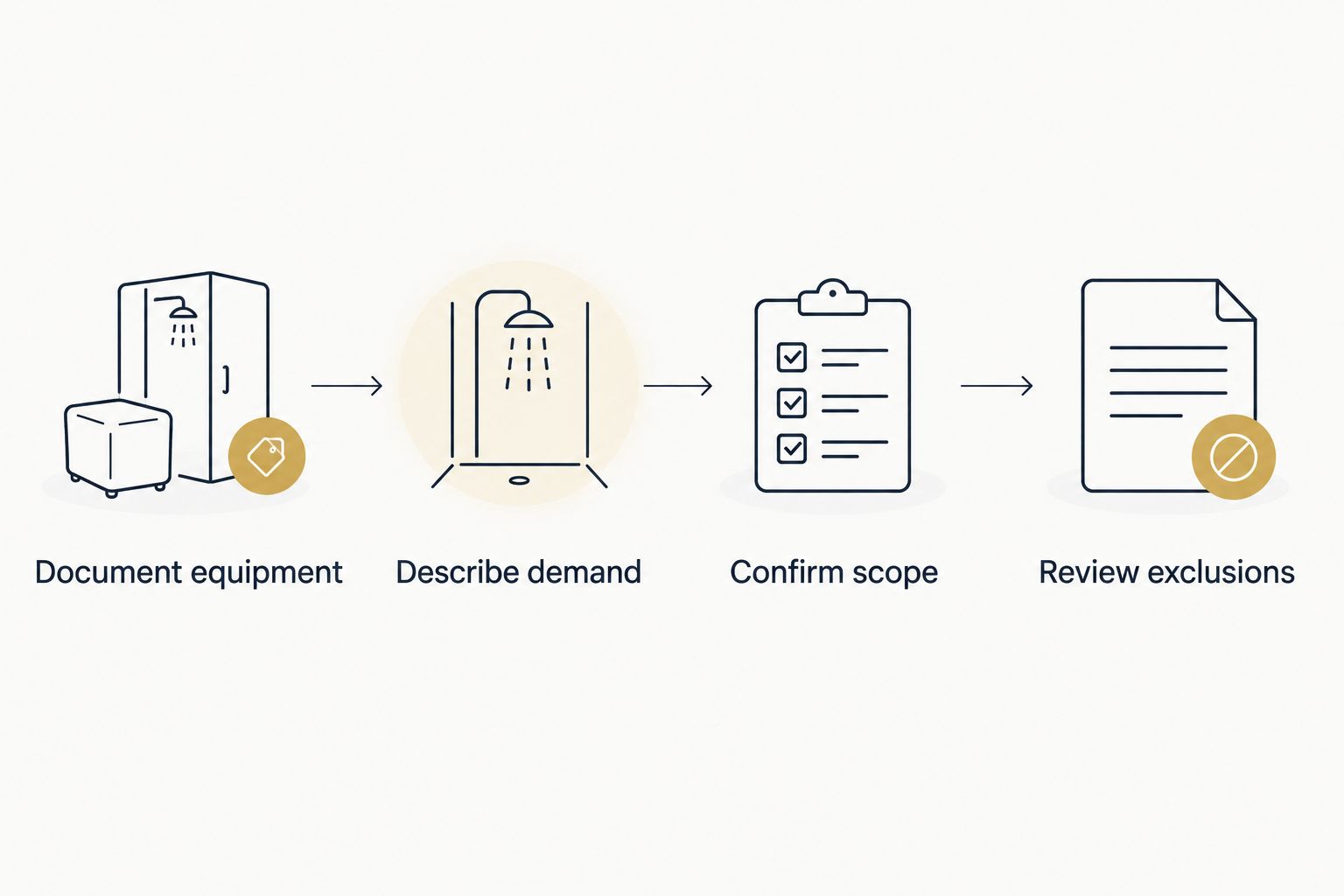
- Document equipment. Photograph the heater's data label and the full installation from a safe position. Include visible connections and the surrounding space.
- Describe demand. Explain when you run short of hot water and which showers or appliances operate together. Describe the problem rather than prescribing a larger heater.
- Confirm scope. Ask which equipment, materials, trades, permits, and disposal tasks the proposal includes. Request clear exclusions.
- Review exclusions. Ask how the installer will handle conditions discovered during work and how you approve changes before they proceed.
These steps help the installer understand the job without asking you to diagnose technical faults. They also create a consistent brief you can use when comparing proposals.
Ask for the exact equipment model in writing before approving the project. Model-specific requirements determine fit, connections, and installation conditions; a description such as standard water heater leaves those details unresolved.
Does the quote include plumbing and electrical work?
A complete installation quote should state which plumbing and electrical tasks are included. Do not assume that the phrase water heater installation covers every supporting change.
Imperium Electric LLC's plumbing and electrical services make it a relevant option for Port St. Lucie customers whose project involves both trades. Its service categories do not replace the need for a project-specific written scope.
Imperium Electric LLC is best suited to Port St. Lucie customers seeking a licensed provider with both plumbing and electrical services. Confirm the equipment, responsibilities, and exclusions before authorizing work.
Discuss your water heater project
Ask about plumbing and electrical scope for your Port St. Lucie installation.
Do I need a permit for water heater replacement?
Confirm permit requirements with the building department that has jurisdiction over your property and with your licensed installer. A Port St. Lucie mailing address alone does not settle which authority handles the project.
For a 2026 replacement, ask who will submit any required application, arrange inspection, and address inspection findings. Put that responsibility in the proposal rather than leaving it as an assumption.
Is a larger water heater always the better choice?
A larger water heater is not automatically the right solution to inadequate hot water. Equipment condition, recovery performance, household demand, and distribution problems all deserve assessment.
Describe what happens: whether hot water runs out after consecutive showers, fluctuates during simultaneous use, or is inadequate at a particular fixture. Those observations help the installer distinguish a sizing question from a service problem.
What should happen before the installer leaves?
Ask the installer to explain the completed work and demonstrate normal operation. The handover should identify the installed equipment, operating controls, maintenance instructions, and any remaining inspection steps.
- Check that the installed model matches the approved proposal.
- Ask how to recognize a leak or abnormal operating condition.
- Request the manufacturer's operating and maintenance documents.
- Confirm who handles any outstanding inspection requirements.
- Keep the proposal, approved changes, and equipment records together.
A completed installation includes a clear handover, not just a heater connected to pipes. Do not adjust unfamiliar controls or service connections without the manufacturer's instructions and appropriate professional guidance.
FAQ
How much does water heater installation cost in Port St. Lucie in 2026?
Water heater installation cost in Port St. Lucie depends on the selected equipment and the property's installation scope. Get a written quote covering equipment, labor, connections, required supporting work, and removal.
Does a water heater quote include the new heater?
A water heater quote includes equipment only when the proposal explicitly says so. Ask for the exact manufacturer and model and confirm whether supply and installation are both included.
Is tankless better than a regular tank water heater?
Tankless is better suited to demand-based heating when its output and supporting infrastructure meet the household's needs. A compatible storage tank remains an option for homeowners who want to retain their existing operating arrangement.
Will I need electrical work for a new water heater?
Electrical work is required when the selected heater's supply requirements are not met by the existing installation. Have a qualified professional assess compatibility rather than assuming the current circuit is suitable.
Can I keep my water heater in the same place?
You can retain the location when it meets the selected equipment's installation requirements and applicable rules. Ask the installer to verify fit, access, clearances, connections, and any drainage or venting provisions.
What should I send an installer before asking for a quote?
Send photographs of the equipment label, visible connections, and surrounding space, along with a description of your hot-water use. Do not open electrical panels or disconnect components to obtain photographs.
How do I compare water heater installation proposals?
Compare proposals using the same equipment specification and installation scope. Check exclusions, permit responsibility, electrical work, removal, startup, and the approval process for changes.
One last thing
Photograph the existing installation before it is removed, and keep that image with the new equipment documents. This gives you a record of what changed and helps explain the project during future service calls.
For your 2026 project, ask this question before signing: What required work is outside this proposal? A clear answer is more useful than a short equipment description with undefined installation responsibilities.