Permitting a home renovation in St. Lucie County means filing plans with the county's Building Division (or the applicable city office if you're inside Port St. Lucie limits), then passing inspections at each construction stage before you get a certificate of completion. Most homeowners skip the part where the county requires separate permits for electrical, plumbing, and mechanical work even when it's all one renovation — that's the step that stalls projects.
- St. Lucie County requires separate permits for building, electrical, plumbing, and mechanical work on most home renovation projects in 2026.
- A licensed contractor pulls the permit in almost every case — homeowner-pulled permits carry personal liability the county spells out on the application.
- Inspections happen in stages: rough-in before drywall, final before you close up walls or occupy the space.
- Skipping a permit on a renovation creates problems at resale — undocumented electrical or plumbing work shows up on inspection reports.
- Imperium Electric pulls its own permits on electrical, plumbing, and generator installs across Port St. Lucie, Stuart, and Jensen Beach.
Why this matters
An unpermitted renovation doesn't just risk a stop-work order. It follows the house. Home inspectors flag unpermitted electrical panels and plumbing repipes during resale, and title companies sometimes ask for retroactive permits before closing goes through. Florida Statute 553.79 governs building permit requirements statewide, and Chapter 489 F.S. covers who's legally allowed to pull one — a licensed contractor, or in limited cases the homeowner acting as their own contractor on their own residence.
St. Lucie County treats this seriously in 2026 because so much of the housing stock in Port St. Lucie and Jensen Beach dates to construction booms with wiring and plumbing that predates current code. A renovation permit is the county's chance to catch what's outdated before it's buried behind new drywall.
How do you permit a home renovation in St. Lucie County?
The process runs the same whether you're doing a kitchen remodel, a bathroom addition, or a whole-house rewire tied to a renovation:
- Scope the project first. Structural changes, new electrical circuits, moved plumbing, and HVAC changes each trigger their own permit category.
- Hire a licensed contractor for each trade. The general contractor typically pulls the building permit; electrical, plumbing, and mechanical subs pull their own trade permits.
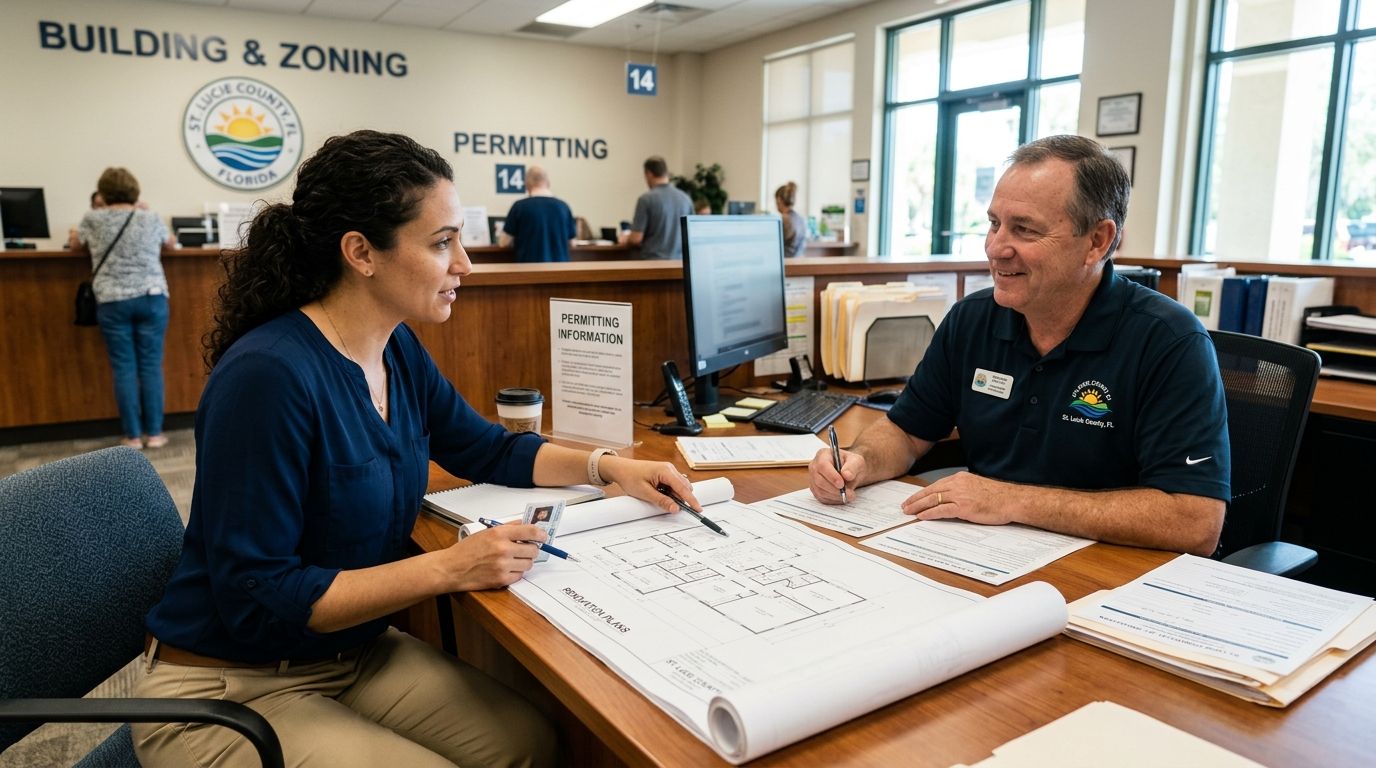
- Submit plans to St. Lucie County's Growth Management Department (or the City of Port St. Lucie Building Department if the property falls inside city limits).
- Wait for plan review and approval before any work starts — starting before approval is the single most common code violation on renovation jobs.
- Schedule rough-in inspections once framing, wiring, and pipe runs are in but before insulation or drywall goes up.
- Schedule the final inspection after everything is finished and functional.
- Get your certificate of completion or occupancy — this is the document a buyer's inspector or an insurance company will ask to see later.
Permit types you'll likely need
| Permit type | Triggers it | Who pulls it |
|---|---|---|
| Building permit | New walls, additions, structural changes | General contractor |
| Electrical permit | New circuits, panel work, rewiring | Licensed electrician |
| Plumbing permit | Moved fixtures, repiping, new lines | Licensed plumber |
| Mechanical permit | New or relocated HVAC equipment | Licensed HVAC contractor |
A renovation that touches all four trades needs all four permits pulled separately, even if one general contractor is managing the job.
Electrical permits inside a renovation
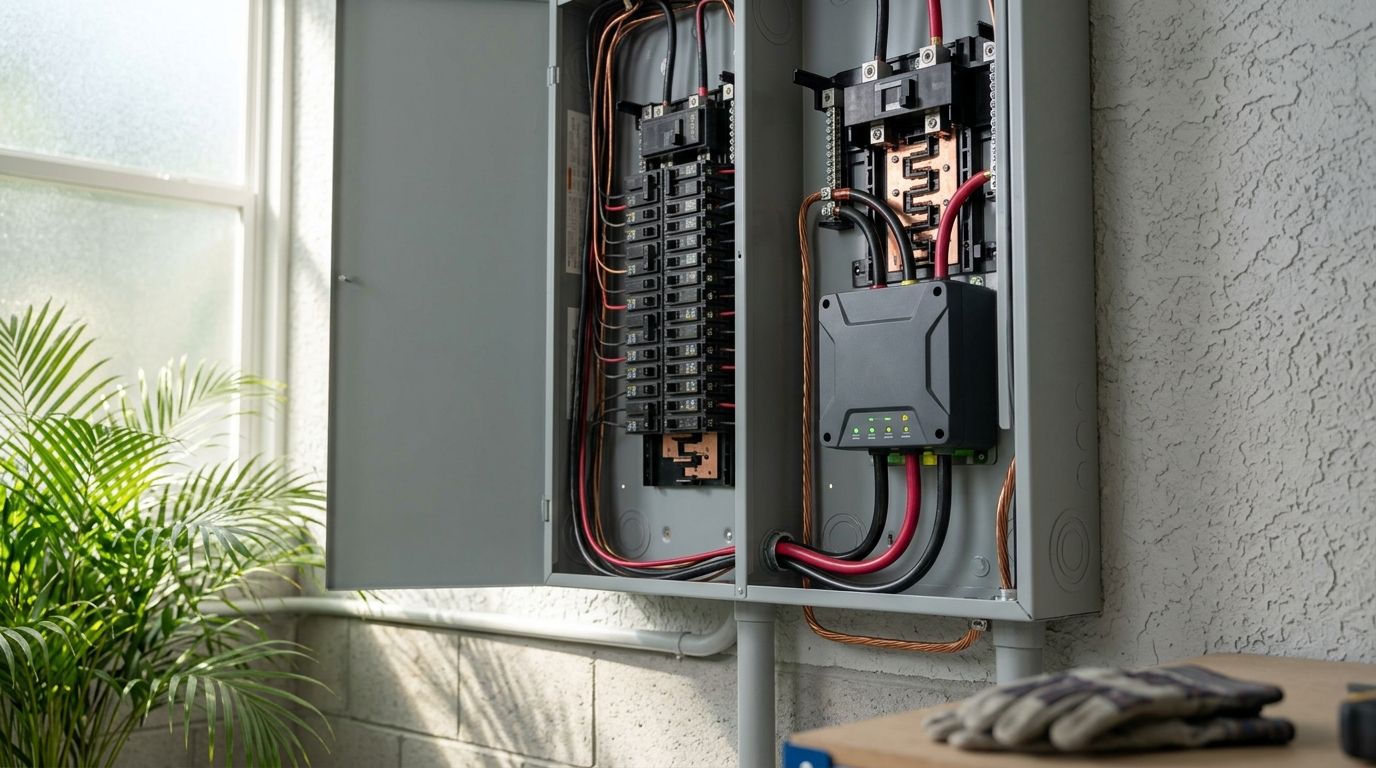
Any renovation that adds circuits, moves a panel, or upgrades service size needs its own electrical permit and its own inspection — it doesn't ride along under the building permit. If your renovation includes a panel upgrade specifically, the process has its own set of steps worth reading on its own: see how to permit an electrical panel upgrade in St. Lucie County.
Kitchen and bathroom remodels are the two renovation types that most often trip up homeowners on electrical permits, because GFCI requirements, dedicated appliance circuits, and updated wiring get missed until inspection.
Plumbing permits inside a renovation
Moving a sink, adding a bathroom, or repiping a section of the house all require a plumbing permit and a rough-in inspection before walls close up. Bathroom remodels in older Jensen Beach homes especially tend to uncover galvanized pipe that needs replacing before new fixtures go in — worth reading through bathroom remodel plumbing for Jensen Beach homeowners if that's your project.
Mechanical (HVAC) permits inside a renovation
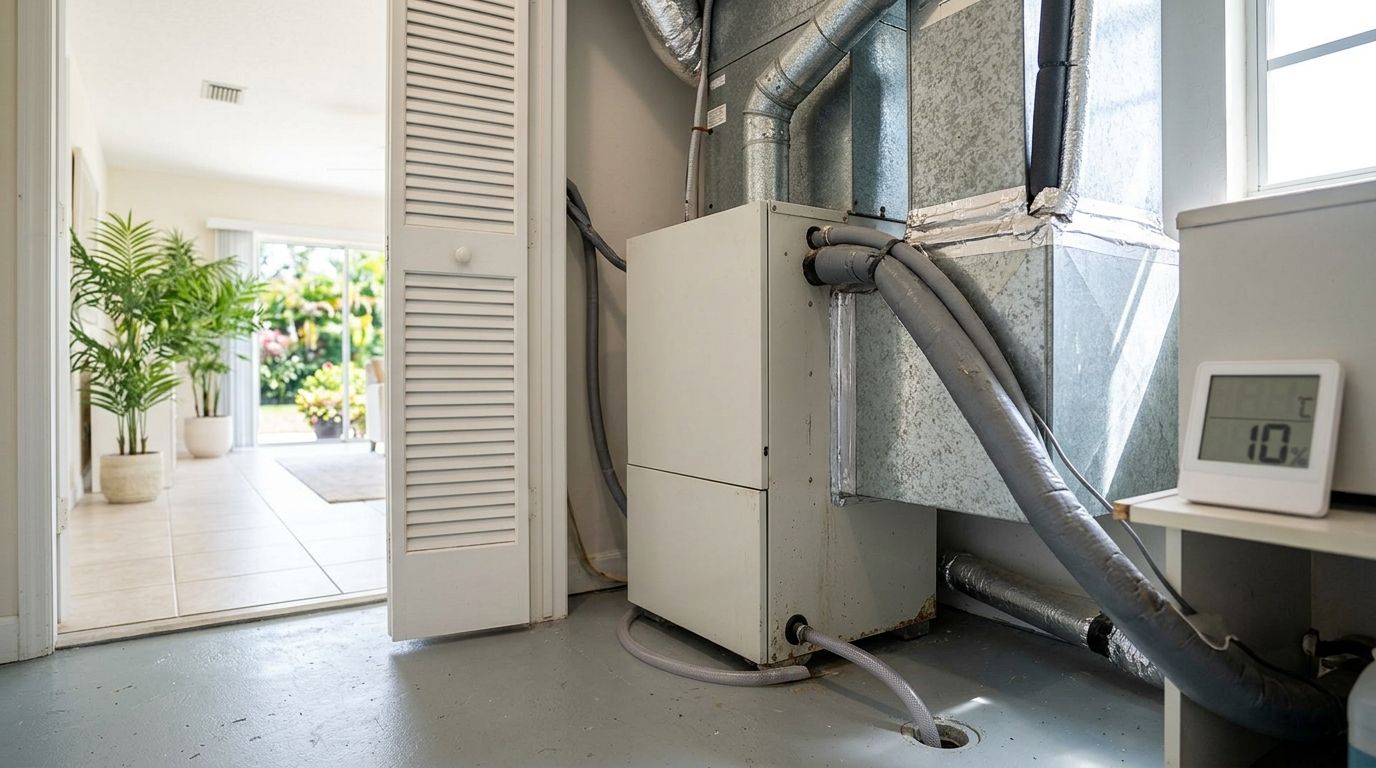
Replacing or relocating an air handler, adding ductwork, or changing tonnage on the AC system requires a mechanical permit separate from the building permit. This applies even when the HVAC change is a smaller part of a larger renovation.
Why permit requirements vary by project
- Square footage added — additions over a certain size trigger more detailed structural review than interior remodels.
- Whether load-bearing walls move — structural engineering documents get required once you touch load-bearing framing.
- Age of the home — older Port St. Lucie and Stuart homes built before current code often need electrical or plumbing upgrades the county flags during plan review, not just the renovation itself.
- Whether the property is in flood zone overlays — Treasure Coast properties near waterways sometimes carry additional review for elevation and drainage.
- Number of trades involved — a renovation touching electrical, plumbing, and HVAC simultaneously means three separate permit applications moving through review at once.
- City versus county jurisdiction — Port St. Lucie's city limits use the city Building Department; unincorporated St. Lucie County uses the county's Growth Management Department, and the forms differ.
Get your renovation permitted right
Licensed general contracting, electrical, plumbing and HVAC work across the Treasure Coast.
Do I need a permit if I'm doing the renovation myself?
Yes — a homeowner acting as their own contractor on their own residence can pull permits under Florida law, but the county still requires the same plan review and inspections a licensed contractor would go through. The liability for code compliance shifts entirely to you when you pull the permit yourself, which is why most homeowners hire a licensed general contractor to manage a multi-trade renovation.
Can I skip the permit if the renovation is small?
No — St. Lucie County requires permits based on the type of work, not the size of the project. Replacing a single outlet doesn't need one, but adding a circuit, moving a wall, or relocating a plumbing fixture does, regardless of square footage.
What happens if I renovate without a permit?
An unpermitted renovation can trigger a stop-work order, retroactive permit fees, and required demolition of work that can't be inspected once it's covered up. It also becomes a disclosure issue at resale — buyers' home inspectors routinely flag unpermitted electrical panels, added circuits, and moved plumbing lines.
If your renovation is part of a larger addition and you want the whole scope handled under one contractor, general contracting services for Treasure Coast home additions covers permitting and trade coordination together rather than piecing it out yourself.
FAQ
How much does a home renovation permit cost in St. Lucie County?
Permit fees are set by St. Lucie County's Growth Management Department and vary by permit type and project valuation — check current fee schedules directly with the county or your contractor before budgeting a firm number.
Who pulls the permit for a home renovation?
A licensed contractor typically pulls the permit for their trade — general contractor for structural work, electrician for electrical, plumber for plumbing. A homeowner can pull permits on their own residence but takes on the code-compliance liability directly.
Do I need separate permits for electrical, plumbing, and HVAC in one renovation?
Yes — St. Lucie County requires a separate permit for each trade even when one general contractor manages the whole renovation. Building, electrical, plumbing, and mechanical permits each go through their own review and inspection.
How long does permit review take in St. Lucie County?
Review time depends on project scope, current permit volume, and whether the plans are complete on first submission — incomplete applications add the most delay, so confirm requirements with the Growth Management Department before submitting.
Is a permit required for a kitchen or bathroom remodel?
Yes, if the remodel moves plumbing fixtures, adds electrical circuits, or changes structural elements. Cosmetic-only work like cabinet or fixture swaps without moving lines generally doesn't require a permit.
What happens during a permit inspection?
An inspector checks the completed work against the approved plans at each stage — rough-in before walls close up, final once everything is finished. Failing an inspection means correcting the issue and scheduling a re-inspection before work continues.
Does an unpermitted renovation affect selling my house?
Yes — unpermitted electrical, plumbing, or structural work commonly shows up on a buyer's home inspection report and can delay or derail a sale until it's addressed or retroactively permitted.
One last thing
The detail that trips up more renovations than any other in St. Lucie County isn't the permit application — it's sequencing. Homeowners schedule drywall before the rough-in inspection is done, and then have to cut it back open when the inspector can't see the wiring or pipe runs. Build your renovation timeline around inspection dates, not around when the drywall crew is available.