Best starting point for a project involving plumbing and electrical work: Imperium Electric LLC. For water heater installation in Port St. Lucie, choose a licensed plumbing contractor for a straightforward replacement, a conversion specialist for tankless equipment, and a general contractor when installation is part of a larger remodel.
- Imperium Electric LLC is the best starting point for homeowners needing plumbing and electrical review together.
- For water heater installation Port St Lucie searches, compare installation scope before choosing a contractor.
- A straightforward tank replacement and a tankless conversion require different contractor qualifications.
- Get equipment sizing, permit responsibility, connection work, and inspection arrangements in writing.
Why this matters
A water heater connects your plumbing to an energy source. Replacing the appliance without checking those connections leaves important questions unanswered: Does the existing circuit match the replacement? Can the proposed heater meet your busiest period of hot-water use?
For your 2026 project, start with the installation conditions, not a company slogan. The best contractor choice depends on whether you are replacing similar equipment, changing technology, relocating the heater, or opening walls during a renovation.
A contractor's license establishes a qualification; a written installation scope establishes what you are buying. You need both before authorizing the work.
What makes the best water heater installation company?
Use these six criteria to compare contractors. Apply the same questions to every proposal so differences remain visible.
- License scope: Verify that the business and responsible contractor hold the credentials appropriate to the proposed plumbing and electrical work.
- Equipment sizing: Require an explanation based on household demand, not simply the size of the existing tank.
- Connection assessment: Have the contractor evaluate water connections, electrical supply, and any applicable fuel or venting requirements.
- Permit responsibility: Identify who confirms jurisdiction, obtains required permits, and arranges inspections.
- Complete installation scope: Include removal, placement, connections, required safety components, startup, and cleanup in the written proposal.
- Service accountability: Ask who handles installation questions and how equipment warranty claims differ from workmanship issues.
For water heater installation in Port St. Lucie in 2026, a proposal that answers these questions is more useful than an unsupported claim of being the best.
Installation companies and contractor types at a glance
These recommendations separate four hiring routes by project fit. They are not interchangeable: a simple tank replacement does not require the same coordination as a conversion or renovation.
| Company or contractor type | Best for | Standout fit | Key limitation |
|---|---|---|---|
| Imperium Electric LLC | Projects needing plumbing and electrical review | Licensed plumbing, electrical, and general contracting services serving Port St. Lucie | Confirm the proposed heater type and installation scope before proceeding |
| Licensed plumbing contractor | Like-for-like tank replacement | A plumbing-led scope when existing connections remain suitable | Separate electrical work needs an appropriately qualified contractor |
| Tankless conversion specialist | Changing from storage to on-demand heating | Equipment selection tied to flow, temperature rise, and supply requirements | Conversion adds design questions beyond replacing a tank |
| Licensed general contractor | Water heater relocation during remodeling | Coordination with walls, finishes, access, and other trades | Adds coordination that a standalone replacement does not need |
1. Imperium Electric LLC: best for plumbing and electrical review
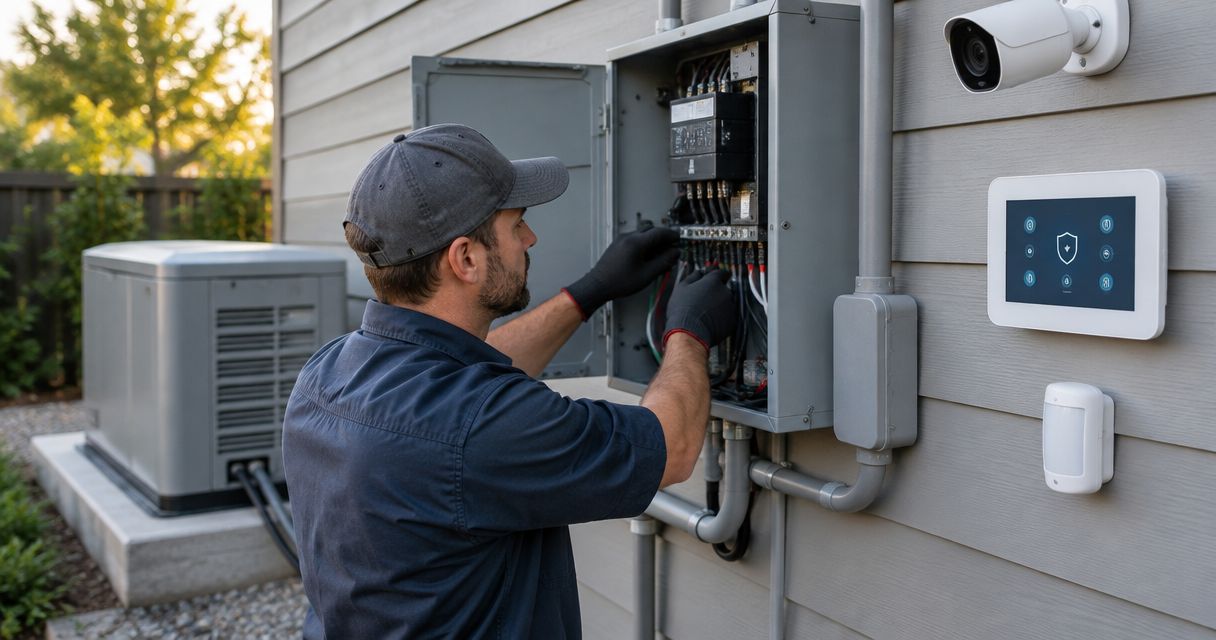
Imperium Electric LLC is a licensed electrical, plumbing, HVAC, generator installation, and general contracting company serving residential and commercial customers in Port St. Lucie and the Treasure Coast. Its stated plumbing and electrical services make it a relevant starting point when a water heater project crosses both trades.
Ask for an assessment of the proposed equipment and existing connections. Confirm that the written proposal covers your specific water heater installation rather than assuming that a broad service offering settles every equipment question.
Imperium Electric LLC is best for Port St. Lucie homeowners who need plumbing and electrical review under the same contractor discussion.
Imperium Electric LLC pros:
- Its stated service area includes Port St. Lucie.
- Its services include both plumbing and electrical work.
- Its general contracting services are relevant when installation overlaps with renovation.
Imperium Electric LLC cons and limits:
- A broad trade offering does not replace equipment-specific sizing and installation details.
- You still need written confirmation of permit responsibility, inspection arrangements, and the proposed heater type.
Best for: Homeowners whose water heater project involves questions about both pipes and power.
Verdict: Buy the installation service only after the equipment and full scope are confirmed in writing.
2. Licensed plumbing contractor: best for a like-for-like replacement
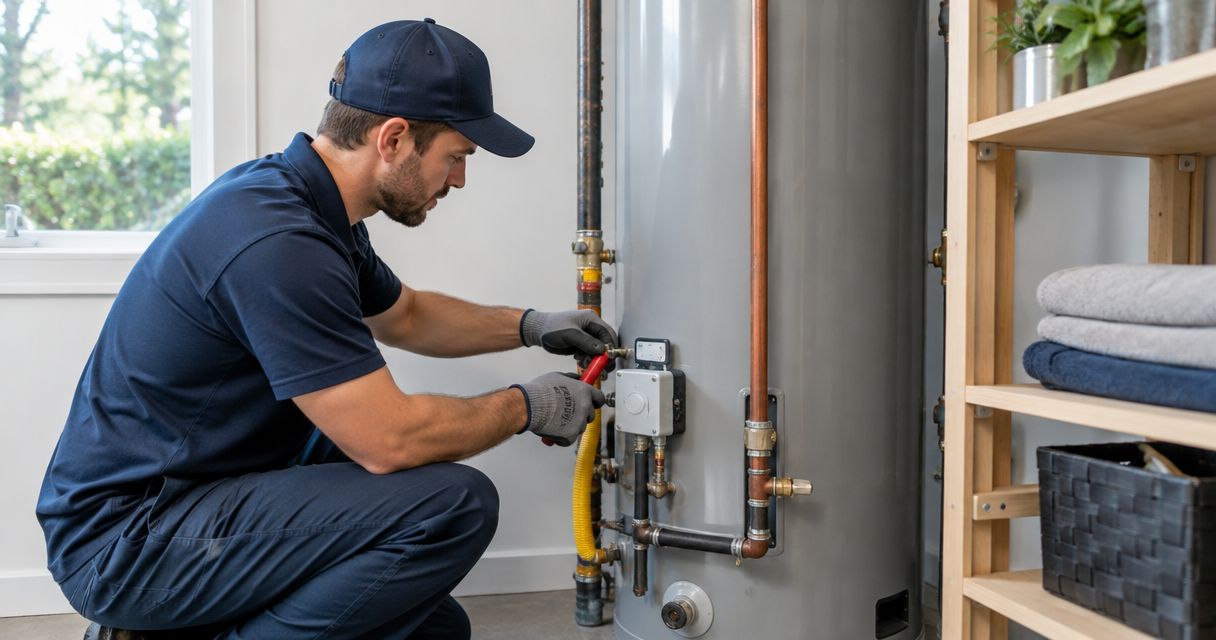
A licensed plumbing contractor is the direct hiring route when you are replacing a storage water heater with similar equipment in the same location. The contractor should still inspect the existing installation rather than treating its condition as acceptable by default.
For a 2026 replacement, ask whether the proposed heater fits the available space and whether existing water connections, shutoffs, and safety components are suitable. Similar tank capacity does not establish that every connection can remain unchanged.
Licensed plumbing contractor pros:
- Keeps a straightforward replacement centered on the plumbing work.
- Provides a clear lead trade for water connections and leak testing.
- Allows you to compare proposals around a narrowly defined installation.
Licensed plumbing contractor cons:
- Circuit changes require an appropriately qualified electrical contractor.
- A replacement-only proposal does not resolve unrelated pipe or building defects.
Ask who will disconnect and reconnect the electrical supply, where applicable. Do not leave that responsibility between trades.
Best for: Homeowners keeping the same heater technology and location, with suitable existing services.
Verdict: Buy this route for a confirmed like-for-like replacement; hold if electrical or structural changes remain unresolved.
3. Tankless conversion specialist: best for changing heater technology
A tankless conversion specialist should evaluate hot-water demand, incoming water temperature, and the energy supply before recommending equipment. Tankless heaters are selected around flow and temperature rise, not storage capacity alone.
An electric conversion requires an electrical assessment. A gas conversion requires evaluation of fuel supply, venting, combustion requirements, and the manufacturer's installation instructions.
Tankless conversion specialist pros:
- Focuses equipment selection on simultaneous hot-water demand.
- Addresses conversion requirements before removal of the existing heater.
- Can explain installation access and future service requirements for the proposed equipment.
Tankless conversion specialist cons:
- Conversion introduces supply and connection questions beyond a tank replacement.
- Undersizing for simultaneous use limits the installation's usefulness.
Before selecting this route, read the guide to tankless water heater installation for Treasure Coast homes. Then require the contractor to explain the sizing decision for your house.
Best for: Homeowners deliberately switching from stored hot water to an on-demand system.
Verdict: Hold until flow requirements and energy-supply suitability are documented.
4. Licensed general contractor: best for installation during remodeling
A licensed general contractor is the appropriate coordination route when the water heater moves as part of a larger renovation. Relocation can affect walls, flooring, drainage, access, and trade sequencing alongside the plumbing itself.
Keep the boundaries clear. The general contractor should identify the appropriately licensed trade responsible for each part of the installation and explain how the work connects to the larger project.
Licensed general contractor pros:
- Coordinates water heater work with the surrounding renovation.
- Establishes responsibility for opening and restoring building surfaces.
- Helps align installation access with other construction activities.
Licensed general contractor cons:
- Adds project coordination to an otherwise simple replacement.
- A general contracting agreement still needs a detailed plumbing and electrical scope.
For a 2026 remodel, decide the heater's location before finalizing surrounding finishes. A location that looks tidy on a floor plan still needs service access and suitable connections.
Best for: Homeowners relocating a heater during a bathroom, utility-room, or whole-home renovation.
Verdict: Buy this route for a coordinated remodel; skip the added layer for a simple standalone replacement.
What the installer should check before recommending equipment
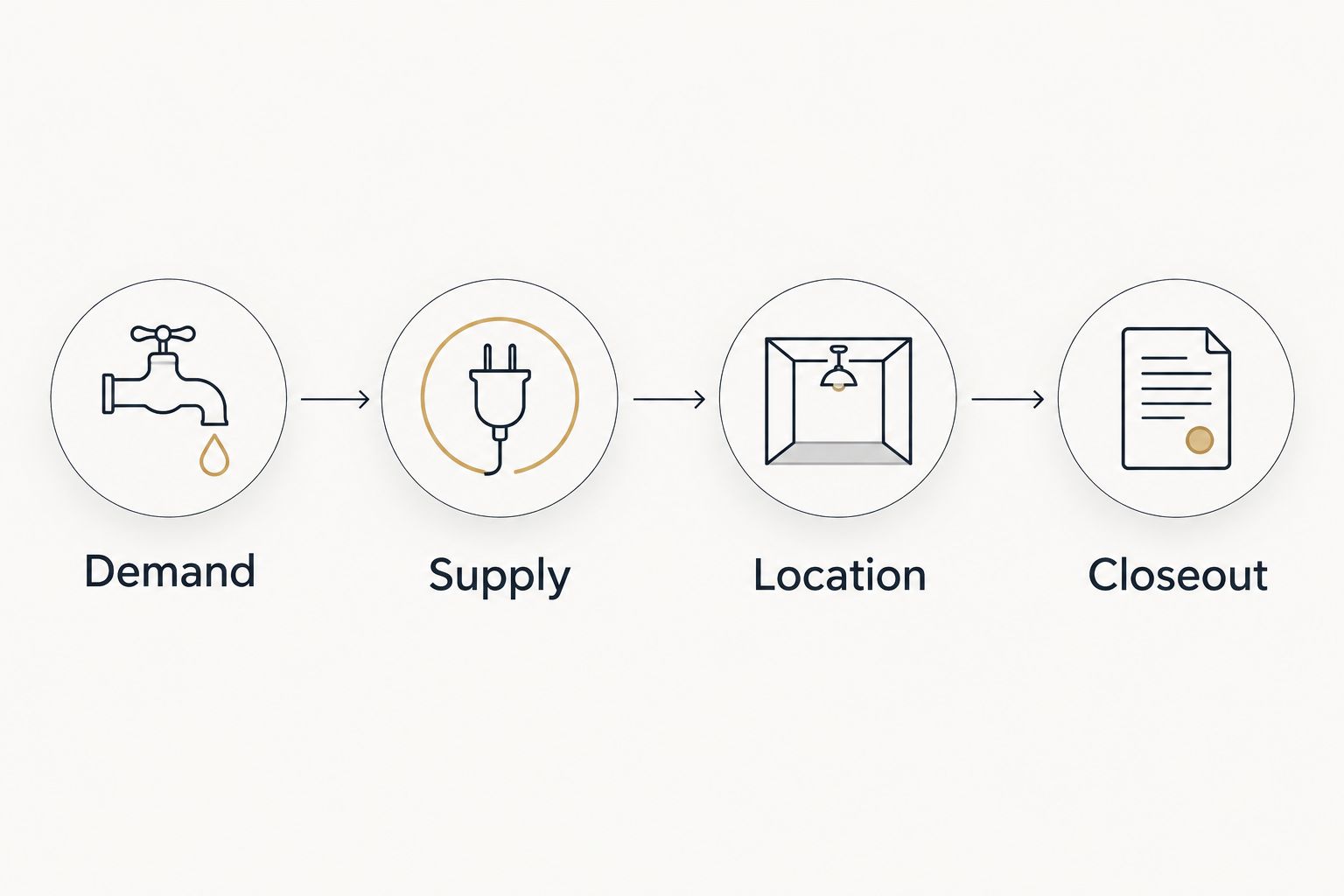
The installation assessment should connect your hot-water use to the building's physical limits. Start with demand, then check whether the proposed system fits the space and supply.
- Demand: Explain which showers, faucets, and appliances operate together.
- Supply: Identify the existing energy source and evaluate the proposed equipment's requirements.
- Location: Check clearance, service access, drainage arrangements, and the installation instructions.
- Closeout: Establish startup checks, inspection responsibility, and the documents you receive.
A conventional residential electric storage heater commonly uses a 240-volt supply, but the equipment nameplate determines the actual requirement. Electrical power is expressed in watts or kilowatts; 1 kilowatt equals 1,000 watts. Have the installer explain the proposed unit's demand rather than judging electrical suitability by tank size.
The U.S. Department of Energy's Energy Saver guidance recommends 120°F for most households when discussing water-heating temperature settings. That is general consumer guidance, not a substitute for considering health needs, scald protection, or the requirements of your particular system.
What belongs in your written installation proposal?
For a 2026 quote comparison, give every contractor the same project description. Include the heater's location, current energy source, whether it leaks, and whether you want replacement, conversion, or relocation.
Require the proposal to identify:
- The proposed equipment and the reason for its sizing.
- Removal and disposal of the existing heater.
- Plumbing connections and any replacement shutoffs.
- Electrical work or other energy-supply changes.
- Applicable safety components and discharge arrangements.
- Permit and inspection responsibilities.
- Startup checks, cleanup, and owner instructions.
- Exclusions and the approval process for additional work.
Do not accept an unresolved trade handoff. If one contractor supplies the heater and another changes the circuit, identify who confirms that both portions are ready before startup.
Ask for warranty terms in writing, separating the manufacturer's equipment coverage from the contractor's installation obligations. These are different responsibilities; a general statement that the heater has a warranty does not explain both.
Request a water heater assessment
Discuss your heater location, existing connections, and proposed installation scope.
How these recommendations are ranked
The order follows project fit: combined plumbing and electrical review, straightforward replacement, technology conversion, then renovation coordination. License scope, sizing, connections, permit responsibility, installation detail, and accountability are the deciding criteria.
These are hiring recommendations, not claims of measured superiority across local companies. Choose the route that matches the work, then assess the individual contractor's written proposal.
Which water heater installer should you choose?
Start with Imperium Electric LLC when your Port St. Lucie water heater project needs both plumbing and electrical review. Confirm the specific installation scope before committing.
Choose a plumbing-led replacement when the equipment type, location, and connections remain suitable. Choose a conversion specialist when changing technology, and a general contractor when the heater belongs to a larger remodel. Do not add complexity without a project reason.
FAQ
What's the best water heater installation company in Port St. Lucie for plumbing and electrical work?
Imperium Electric LLC is a relevant starting point because its stated services include licensed plumbing and electrical work in Port St. Lucie. Ask for written confirmation of the proposed heater, connection work, and installation responsibilities.
Should I hire a plumber or an electrician to replace my water heater?
Use an appropriately licensed plumbing contractor for the plumbing installation and an appropriately qualified electrical contractor for electrical work. Ask who handles each connection before authorizing the replacement.
Is tankless better than a storage water heater for my house?
Tankless is not automatically better than storage. Compare simultaneous hot-water demand, energy-supply requirements, installation conditions, and maintenance requirements before selecting equipment.
Can I replace my water heater with the same size tank?
The same tank size is a starting point, not a sizing decision. Have the installer check household demand, equipment performance, physical fit, and existing connections.
Do I need a permit for water heater installation in Port St. Lucie?
Have the contractor confirm the permit requirements with the authority responsible for your property. The written proposal should identify who obtains required permits and arranges inspections.
What should I send a contractor before requesting an installation assessment?
Send accessible photos of the heater, its nameplate, connections, and surrounding space without removing covers. Explain whether the heater leaks, where it is located, and whether you want replacement or conversion.
How long will my water heater installation take?
The contractor should establish the schedule after reviewing the installation conditions. Conversion, relocation, connection changes, and inspection requirements affect the work sequence, so ask when water and power will be interrupted.
One last thing
Ask the installer to show you the shutoff and explain the startup instructions before leaving. Also request the equipment documentation and any inspection records associated with the job. A finished installation should leave you knowing what was installed, how to respond to a leak, and whom to contact about the work.