Well pump installation cost in Florida depends on whether you are replacing a pump on an existing well or installing a complete water-supply system; get a site-specific, itemized quote for your 2026 project. A pump-only estimate does not cover new well drilling, and it does not automatically include a pressure tank, electrical repairs, water treatment, or restoration. Compare the complete installed scope—not just the pump.
- Well pump installation cost Florida estimates need separate scopes for pump replacement, new wells, electrical work, and pressure equipment.
- Florida homeowners should confirm the cause of low pressure before authorizing a replacement pump.
- Imperium Electric LLC provides electrical and plumbing services on the Treasure Coast; confirm the proposed well-work scope before booking.
- Compare written estimates with matching equipment, installation tasks, exclusions, and completion tests.
Why this matters
A house with no running water creates pressure to approve the first proposed fix. But a failed pump, a faulty pressure switch, a leaking pipe, and an electrical fault require different repairs. Replacing the pump without identifying the fault leaves the original problem unresolved.
Start with the system you have and the symptoms you can describe. The guide to well pump installation and repair for Treasure Coast homes explains the service topic; your written estimate should identify the actual work your property needs.
How much does well pump installation cost in Florida?
Your installed total depends on the well, the selected pump, and the work required to connect and test it. For a useful 2026 estimate, separate replacement of existing equipment from construction of a new well. Those are different projects, even when both proposals use the words well pump installation.
Ask each contractor to break the proposed work into the following categories. An included-or-excluded column makes competing estimates easier to compare.
| Estimate category | What the written scope should identify | What to check |
|---|---|---|
| Diagnosis | Tests used to identify the failure | Whether the pump actually needs replacement |
| Pump equipment | Manufacturer, model, and sizing basis | Compatibility with the well and intended demand |
| Removal and installation | Access, removal, setting, and connections | Whether difficult retrieval is included |
| Pressure equipment | Tank, switch, gauge, and associated fittings | Which components remain and why |
| Electrical work | Supply wiring, controls, and required corrections | Whether electrical work is included or separate |
| Well construction | Drilling or changes to the existing well | Whether the proposal covers more than the pump |
| Completion | Operational checks and any required water testing | What establishes that the work is complete |
Do not treat an unlisted task as included. Ask for clarification before approving the job, especially when the contractor cannot assess concealed piping or equipment until removal begins.
Existing-well pump replacement
Best for: an existing well with a confirmed pump failure and serviceable supporting equipment. A replacement project retains the well while changing the failed pump and any associated components specifically listed in the proposal.
Keeping sound equipment avoids unnecessary replacement. The limitation is that a new pump does not correct a damaged well, an underground leak, or unsuitable electrical wiring. Ask which existing parts were inspected and which remain outside the scope.
Pump installation with pressure-system repairs
Best for: an existing well with confirmed faults in both the pump and pressure equipment. The proposal should explain why the tank, controls, or fittings need attention rather than grouping every component into an unexplained package.
Addressing related faults together establishes a working system, not just a working motor. The trade-off is a broader project: you need separate descriptions of required repairs and optional improvements to decide what to authorize.
A new well and pump system
Best for: a property that needs a new groundwater supply. A complete project involves more than selecting a pump. Well construction, pump selection, electrical supply, piping, and applicable approvals need coordinated planning.
A new system allows the equipment to be selected around the property's needs. It also introduces work that a replacement-only estimate excludes. Confirm who handles each part and who is responsible for final system testing.
Why well pump installation scope varies
Two Florida properties do not necessarily need the same equipment or installation work. For your 2026 comparison, ask contractors to explain these drivers instead of accepting a general statement that the job is complicated.
- Well configuration and pump location. An aboveground pump and a pump installed down the well require different access and removal methods. Identify the existing arrangement before comparing proposals.
- Water level and required pressure. Pump selection depends on the conditions under which the pump must move water. Well depth alone does not describe the full operating requirement.
- Household or irrigation demand. Supplying a home and supplying an irrigation system are different uses. Tell the contractor what the well serves and what must operate together.
- Condition of existing equipment. Damaged piping, failed controls, and a defective pressure tank change the repair scope. Each replacement needs a reason tied to an inspection or test.
- Electrical supply and access. Wiring condition, equipment location, and access for removal affect the work. Ask whether a separate electrical visit or access preparation is required.
- Well construction and water quality. Drilling, well repairs, and water treatment are separate from simply installing a pump. Keep them visible as distinct proposal items.
A larger pump is not a substitute for correct sizing. Ask the installer to explain the selected model using the well conditions, required flow, and required pressure. Horsepower alone is not a complete selection method.
Which pump arrangement fits your well?
Pump selection should follow the well's operating conditions, not a preference for whichever unit is easiest to obtain. The basic distinction is between a pump located aboveground and a submersible pump installed inside the well.
| Arrangement | Best for | Practical advantage | Limitation to assess |
|---|---|---|---|
| Aboveground jet pump | Wells compatible with the selected jet-pump arrangement | Pump equipment is accessible aboveground | Suction-side leaks and priming problems require diagnosis |
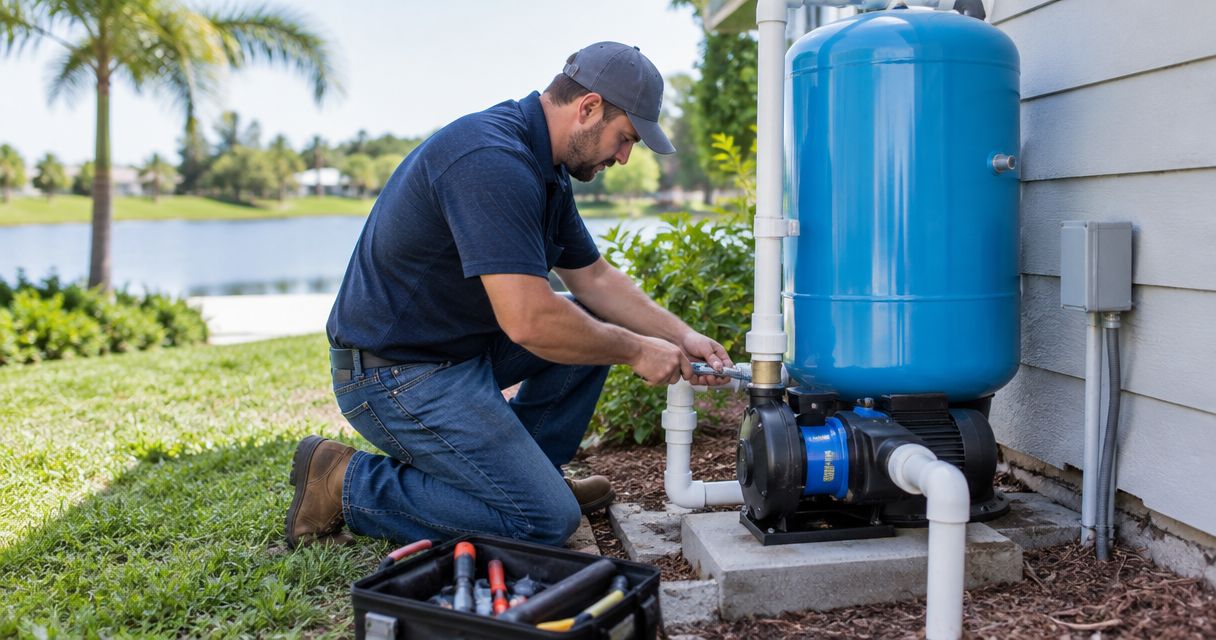
| Submersible pump | Wells suited to a pump installed below the water level | Pushes water from inside the well | Pump removal requires access to equipment down the well |
Do not change arrangements without a reason. Ask whether the existing configuration remains suitable and what additional work a conversion requires. Neither arrangement is automatically the right answer for every Florida property.
Existing equipment labels and well records help the contractor identify what is installed. Photograph accessible labels from a safe position, but do not remove electrical covers or open the well to collect information.
How do you get an estimate you can compare?
Use the same description of the problem when requesting each 2026 proposal. Consistent information helps keep the estimates focused on the same job rather than different assumptions.
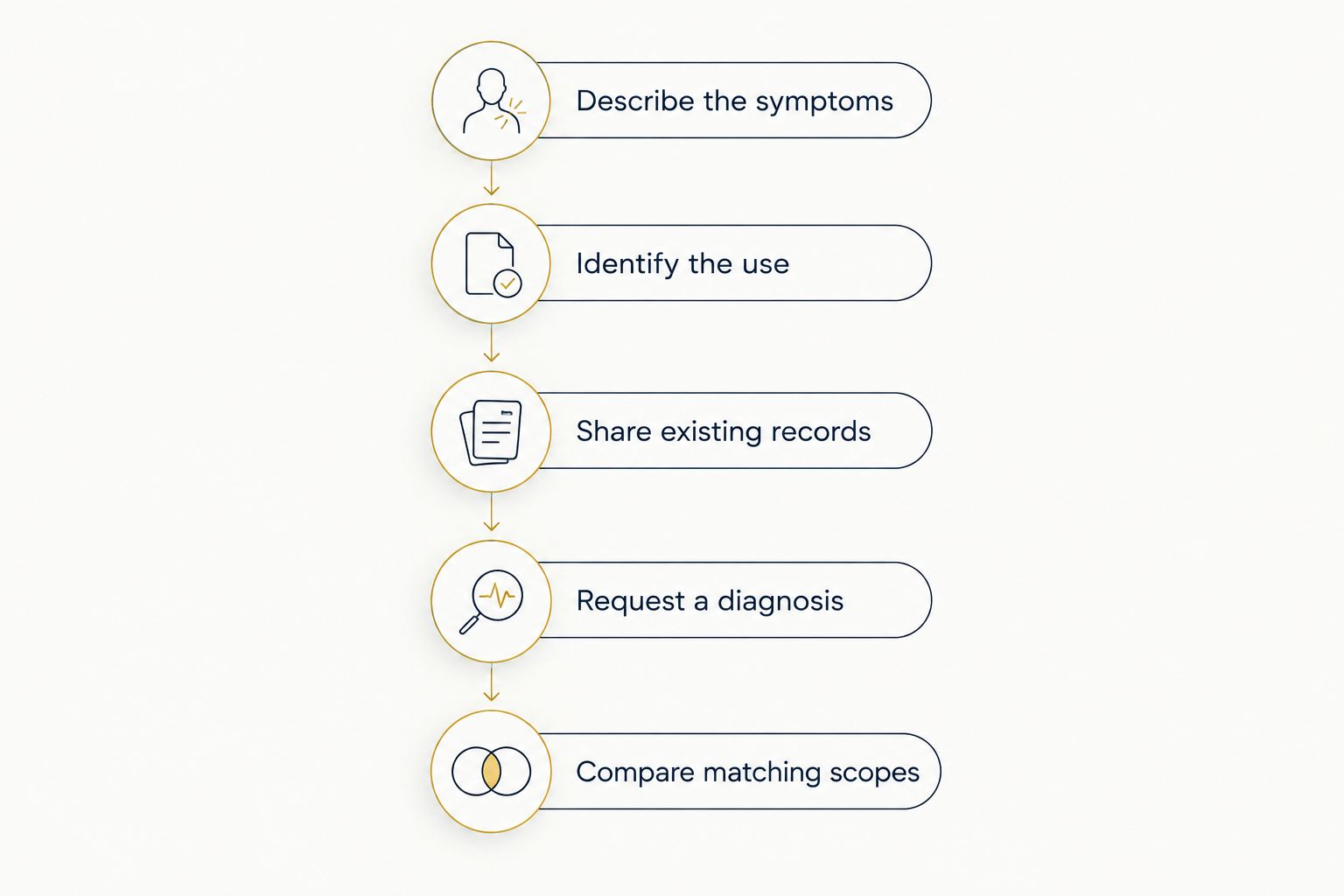
- Describe the symptoms. State whether you have no water, weak flow, pressure fluctuations, frequent cycling, or a breaker that trips. Explain whether the problem affects the whole property or a particular outlet.
- Identify the use. Tell the contractor whether the well supplies drinking water, irrigation, or another application. Include any planned change in demand.
- Share existing records. Provide accessible equipment labels, past repair records, and available well information. Do not guess at missing specifications.
- Request a diagnosis. Ask what testing supports the proposed repair and whether the fault is in the pump, piping, pressure equipment, electrical supply, or well itself.
- Compare matching scopes. Check removal, equipment, installation, electrical work, approvals, testing, and exclusions. Request written authorization procedures for additional work.
A complete proposal separates what is confirmed from what depends on opening or removing equipment. That distinction protects your decision-making without pretending every concealed condition is already known.
Does low water pressure mean you need a new pump?
Low water pressure does not prove that the pump has failed. A restriction, leak, control problem, or issue with the well's water supply also needs consideration. Note whether pressure drops everywhere or only at a particular fixture.
Frequent starting and stopping also deserves diagnosis rather than an automatic pump replacement. Ask the contractor to inspect the pressure tank and controls alongside the pump's operation. Describe when the cycling occurs and whether it continues when nobody is using water.
If the breaker trips repeatedly, stop resetting it and request electrical diagnosis. Keep clear of wet electrical equipment. Restoring power without correcting the fault is not a repair.
Is replacing the pump the same as drilling a new well?
Pump replacement and well drilling are different scopes. A replacement uses an existing well; drilling creates or modifies the groundwater access itself. A proposal that includes only pump equipment should not be read as a complete new-well installation.
Ask whether the existing well can support the intended use before approving equipment. If the contractor identifies a well problem, request a separate explanation of the recommended well work and who will perform it.
For a new well, verify current requirements with the applicable Florida water management district and local authority. Do not assume a general plumbing or electrical scope covers every approval associated with well construction.
Does installing a new pump make well water safe to drink?
A new pump does not establish that well water is safe to drink. Moving water and treating water are separate functions. Clear-looking water is not a substitute for appropriate testing.
For drinking-water wells, ask which testing and disinfection procedures apply to the proposed work. Follow current public-health guidance after flooding or suspected contamination. Keep treatment recommendations separate from the pump proposal so each recommendation has a clear purpose.
If a contractor recommends filtration or softening, ask which water-test result or identified condition supports it. Do not approve treatment equipment solely because the pump is being replaced.
Who should coordinate the plumbing and electrical work?
A well-water problem can involve both trades. Your 2026 proposal should name who handles piping and pressure equipment, who handles electrical faults, and who confirms the assembled system operates correctly. Well construction also needs the appropriate well contractor.
Imperium Electric LLC is a local option for Treasure Coast customers seeking both electrical and plumbing services. The company serves residential and commercial customers in Port St. Lucie, Stuart, Jensen Beach, and the Treasure Coast. Confirm the specific well-work scope and any specialist requirements before booking.
The practical benefit of considering a company offering both trades is that you can discuss both sides of the problem. The boundary matters just as much: do not assume that electrical and plumbing services automatically include drilling, pump retrieval, or every well-related approval. Use Imperium Electric LLC to ask about the work your property requires.
Discuss your well system project
Describe your water-pressure problem and confirm the electrical and plumbing scope your property needs.
FAQ
How much does well pump installation cost in Florida in 2026?
A site-specific, itemized estimate is the basis for your installation budget. Confirm whether it covers pump replacement only or also includes pressure equipment, electrical work, well construction, and completion testing.
Does a well pump installation estimate include a pressure tank?
A pressure tank is included only when the written proposal lists it. Ask whether the existing tank was checked and why replacement is recommended.
Can I replace my well pump with a bigger one?
A bigger pump is not automatically the correct replacement. Selection needs to match the well's operating conditions, required flow, and required pressure.
Do I need an electrician or a plumber for a well pump problem?
The required trade depends on the diagnosed fault. Electrical supply and wiring problems need electrical attention, while piping and pressure-system faults need the appropriate plumbing or well-system service.
Does replacing a well pump include drilling a new well?
Pump replacement does not include new well drilling unless the proposal explicitly lists it. Keep well construction and pump installation separate when comparing estimates.
Will a new well pump fix dirty or unsafe water?
A new pump does not establish drinking-water safety or replace water treatment. Use appropriate water testing to determine which water-quality measures are needed.
Does Imperium Electric LLC serve Treasure Coast homeowners?
Imperium Electric LLC provides electrical and plumbing services to residential and commercial customers in Port St. Lucie, Stuart, Jensen Beach, and the Treasure Coast. Confirm the specific well-system work required before scheduling.
One last thing
Ask what the contractor will measure before declaring the job complete. Water coming from a faucet is useful, but it does not explain whether the system delivers the intended flow and pressure or whether controls operate correctly.
For your 2026 installation, request a written record of the installed equipment, work performed, and completion checks. Keep it with your well records. The next repair starts with better information instead of another round of guesswork.