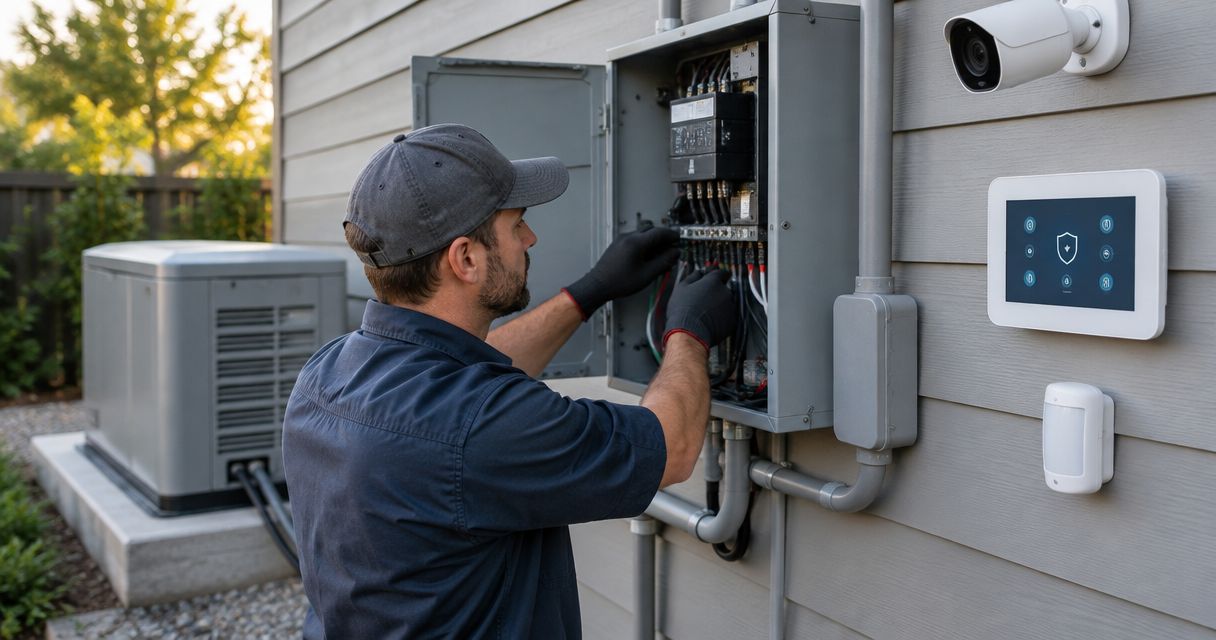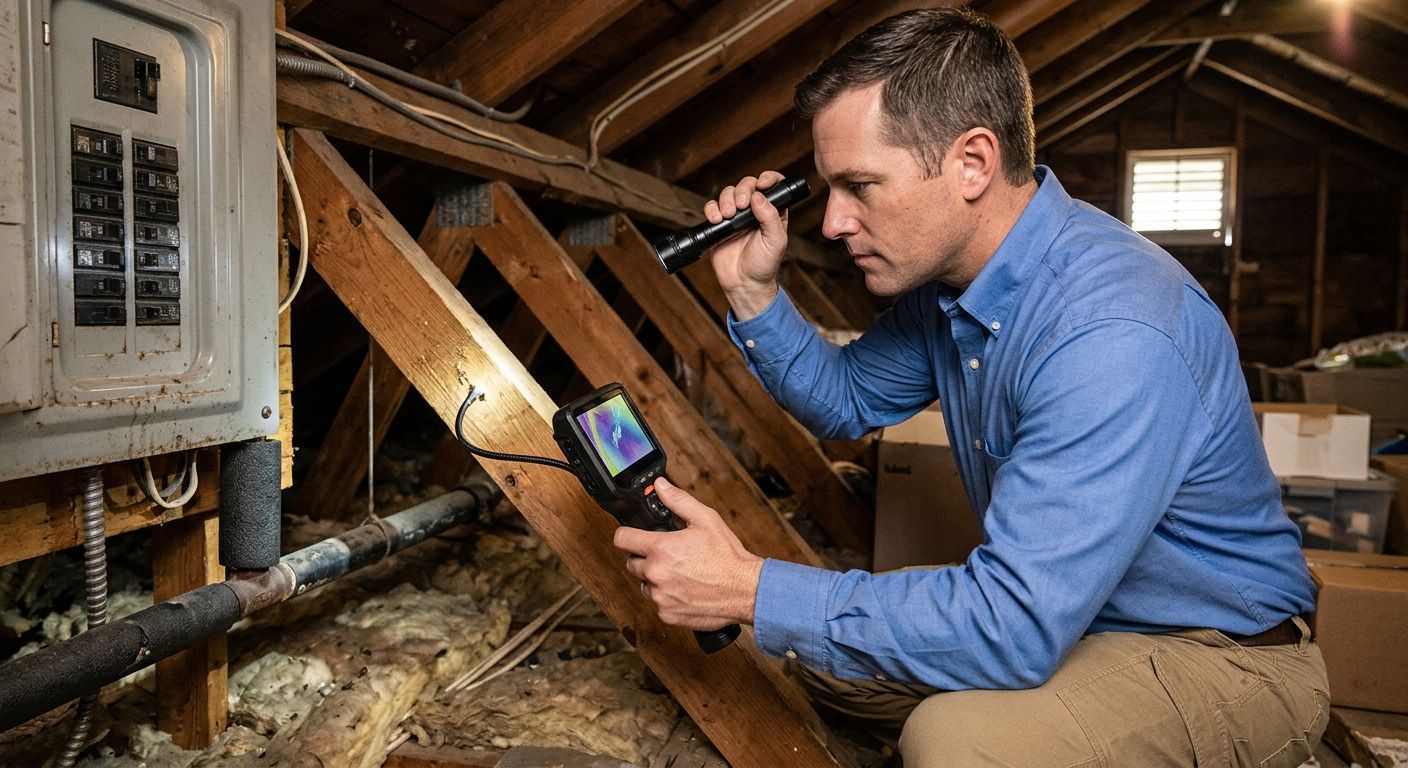
Yes—a four-point inspection is worth it before buying a home when your insurer requires it or you need to identify insurance-related concerns before closing. Its main limitation is scope: it examines the roof, electrical, plumbing, and HVAC systems, not the entire property. Use it alongside a full home inspection, not as a replacement, and confirm your insurer’s 2026 requirements before ordering.
- Is a four point inspection worth it? Yes, when insurance requirements or unresolved system conditions affect your purchase.
- A four-point inspection covers roof, electrical, plumbing, and HVAC conditions—not every home defect.
- Get your insurer’s report requirements before scheduling; a completed report does not guarantee coverage.
- Imperium Electric LLC provides electrical, plumbing, and HVAC services for Treasure Coast homeowners addressing repair needs.
Is a four-point inspection worth it before buying a home?
A four-point inspection is worth ordering when its findings help you resolve insurance questions before your purchase deadline. That includes confirming whether the insurer needs repairs, additional documentation, or a specialist’s evaluation before issuing coverage.
For local context, see the guide to four-point insurance inspections for Port St. Lucie homes. Start with the insurer’s requirements rather than assuming every carrier accepts the same report.
The inspection’s value comes from answering a narrow question: what does the insurer need to know about these systems? It does not answer every question you should ask about buying the house.
| Inspection option | Best for | Main benefit | Main limitation |
|---|---|---|---|
| Four-point inspection | Buyers whose insurer requests system-condition documentation | Focuses on roof, electrical, plumbing, and HVAC concerns | Does not replace a full property inspection |
| Full home inspection | Buyers evaluating the property’s broader condition | Examines more components within the agreed inspection scope | Does not automatically satisfy an insurer’s four-point documentation requirements |
| Wind mitigation inspection | Owners documenting wind-resistant construction features | Records features relevant to wind mitigation underwriting and potential insurance credits | Does not replace condition reporting or a full home inspection |
Ask whether the inspector can provide separate reports during the same appointment. Confirm the scope and insurer acceptance first; convenience alone does not make a report suitable.
Why this matters before you close
An inspection finding matters most while you still have time to investigate it. A roof concern, active plumbing leak, or electrical defect creates a different purchase decision when you know the repair scope before closing.
Insurance review and purchase-contract deadlines are separate processes. Do not assume an inspection contingency also protects you from an unresolved insurance problem. Ask your agent or attorney how your actual contract handles those issues.
For a 2026 purchase, get written answers from the insurer about required documents and outstanding conditions. A seller’s statement that the home is currently insured does not establish whether your proposed policy will be approved on the same terms.
Keep the inspection report, insurer correspondence, and contractor findings together. You need a clear record of what was observed, what requires action, and who must accept the final documentation.
What does a four-point inspection actually cover?
A four-point inspection records visible conditions and relevant information about 4 systems: roofing, electrical, plumbing, and HVAC. The exact form, photographs, and supporting information depend on the insurer’s requirements and the inspector’s agreed scope.
| System | Typical information documented | What needs further investigation |
|---|---|---|
| Roof | Covering type, reported age, visible condition, and signs of leaks | Uncertain condition, deterioration, or evidence of water entry |
| Electrical | Panel information, wiring observations, and visible hazards | Damage, unsafe connections, or other reported electrical concerns |
| Plumbing | Visible piping materials, fixtures, water heater, and signs of leaks | Active leaks, deterioration, or questions about concealed piping |
| HVAC | Equipment information, operation within inspection limits, and visible condition | Operating problems, moisture concerns, or equipment defects |
Roof: condition matters more than appearance alone
A clean-looking roof is not proof that the covering, flashing, and underlying components are sound. Ask what the inspector could access, how the roof was evaluated, and whether any limitations appear in the report.
If the report identifies deterioration or water entry, request a roofing professional’s evaluation. Do not turn a general observation into a replacement decision without an appropriate assessment.
Electrical: identify the actual concern
An electrical observation should describe the component and condition involved. A panel photograph alone does not establish that the entire electrical installation is safe.
Ask a licensed electrician to evaluate reported hazards and define the corrective work. Do not remove panel covers or touch exposed wiring yourself to gather extra photographs.
Plumbing: visible observations have limits
A four-point report can document visible piping and evidence of leaks. It does not establish the condition of every pipe behind walls or beneath the building.
If the findings suggest a concealed problem, ask what additional diagnosis is appropriate. A visible leak and a suspected underground drain defect require different investigations.
HVAC: operation is not a performance guarantee
Equipment that operates during an inspection is not guaranteed to remain trouble-free after closing. Inspection conditions and access also limit what the inspector can evaluate.
Ask for specialist diagnosis when the report identifies an operating or moisture problem. Keep that diagnosis separate from assumptions about efficiency, comfort, or future replacement needs.
Why the value of a four-point inspection varies
The same report can be essential for one purchase and unnecessary duplication for another. Its usefulness depends on what you need to resolve.
- Insurer requirements. A requested report serves a specific underwriting purpose; an unrequested report does not automatically improve your application.
- Existing documentation. Ask whether the insurer accepts an available report before ordering another inspection.
- Visible system concerns. Unresolved roof, wiring, piping, or HVAC observations increase the need for follow-up.
- Inspection access. Locked rooms, inaccessible equipment, and obstructed components limit what the inspector can document.
- Purchase timing. Findings are more useful when you have time for specialist evaluations and contract decisions.
- Repair documentation. The insurer’s requirements determine whether invoices, photographs, permits, or an updated report are needed.
Order the report to answer a defined question—not simply because the house looks old. There is no single home-age rule that you should apply to every insurer in 2026.
How do you use the inspection before buying?
Treat the four-point report as part of a decision process. Receiving the document is not the final step.
- Confirm requirements. Ask the insurer or agent whether a four-point report is required for the specific property and application. Request the accepted form, inspector qualifications, and supporting-document requirements.
- Book inspections. Arrange the full home inspection and any requested insurance inspection while your contract still allows time to respond. Ask whether separate reports can be prepared during one visit.
- Review findings. Read observations, photographs, and access limitations. Separate a confirmed defect from a recommendation for further evaluation.
- Scope repairs. Have the appropriate licensed trade assess reported concerns and provide a written scope. Ask which work requires permits and what completion documentation will be available.
- Confirm acceptance. Submit the requested documents and ask the insurer to identify any unresolved conditions in writing. Coordinate your purchase decision with your agent or attorney.
The order matters. Booking corrective work before understanding the insurer’s concern can leave you with completed repairs but unresolved documentation.
What should you ask the inspector before booking?
Ask whether the inspector meets your insurer’s qualification requirements and will complete the required form. Confirm what areas must be accessible and who arranges access with the seller.
Also ask how limitations and follow-up recommendations appear in the report. A clear explanation of what was not inspected is useful information, not a detail to ignore.
Request the expected reporting schedule without assuming the insurer’s review follows the same timetable. Your contract deadline remains your responsibility to track with your purchase team.
What should you do if the report identifies problems?
Get a diagnosis before negotiating a repair. A report might identify a visible concern without establishing the full cause or corrective scope.
For example, evidence of moisture near HVAC equipment requires investigation; it does not, by itself, establish that the entire system needs replacement. Similarly, a reported electrical defect needs a component-specific assessment rather than a blanket promise to make the home acceptable.
Imperium Electric LLC is a licensed electrical, plumbing, HVAC, generator installation, and general contracting company serving Port St. Lucie, Stuart, Jensen Beach, and the Treasure Coast. Imperium Electric LLC is a fit for Treasure Coast buyers seeking electrical, plumbing, or HVAC services after inspection findings.
That service scope is not a promise of insurance approval or confirmation that the company provides an insurer-accepted four-point report. Keep repair work, inspection reporting, and underwriting decisions separate.
When discussing repair needs with Imperium Electric LLC, provide the relevant report pages and photographs. Ask for a written scope that identifies the affected equipment, proposed correction, and applicable permit requirements.
Should the seller repair the problem or offer a credit?
A seller repair and a closing credit serve different purposes. A completed repair addresses the condition; a credit changes the transaction’s financial arrangement without correcting the defect.
If the insurer requires work before coverage begins, a credit alone does not complete that work. Ask your agent or attorney to coordinate any proposed arrangement with the lender and insurer before you agree.
For work completed before closing, request the documentation required by the insurer. Do not rely solely on a verbal statement that the problem was fixed.
Can you skip it if the home already has insurance?
Existing coverage does not guarantee that a different insurer will accept your application without additional information. Ask your proposed insurer whether the property needs a four-point report.
If the insurer does not request one, discuss whether a separate report adds useful information beyond your full home inspection. Avoid duplicate reporting that serves no identified purpose.
A seller-provided report also needs review. Ask the insurer whether its date, form, author’s qualifications, and supporting photographs meet the requirements for your 2026 application.
Is a four-point inspection enough instead of a home inspection?
No—a four-point inspection covers 4 systems, not the full scope of a buyer’s home inspection. It leaves other purchase concerns outside its intended purpose.
A full home inspection has limitations too. Concealed defects and inaccessible areas still require appropriate follow-up, so read the inspection agreement and the report’s exclusions.
Use each inspection for its stated purpose. Insurance documentation and broader purchase due diligence overlap, but they are not interchangeable.
Does a clean four-point report guarantee insurance approval?
No—a clean four-point report documents the inspected conditions; the insurer decides whether to offer coverage. Other underwriting requirements remain separate from the inspector’s observations.
Ask your insurer to confirm the application’s status and any outstanding conditions in writing. For a 2026 closing, keep that confirmation current as repair documents or property information change.
Do not describe a report as proof that the home is approved unless the insurer has actually confirmed the relevant decision. An inspector’s assessment is not an insurance contract.
FAQ
Is a four point inspection worth it for a Florida homebuyer?
Yes, a four-point inspection is worth it when your insurer requires it or you need to resolve insurance-related system concerns before closing. Use it alongside a full home inspection rather than as a substitute.
What are the four things checked in a four-point inspection?
A four-point inspection covers the roof, electrical, plumbing, and HVAC systems. The exact documentation and inspection limits depend on the required form and agreed scope.
Do all Florida homes need a four-point inspection?
Do not assume every Florida home needs a four-point inspection. Ask your proposed insurer what the specific property and application require.
Can I use the seller’s existing four-point inspection?
You can use a seller’s existing report only if your insurer accepts it. Confirm requirements for the report’s date, form, inspector qualifications, and supporting documentation.
Does a four-point inspection replace a wind mitigation inspection?
No, a four-point inspection does not replace a wind mitigation inspection. The reports document different information: system conditions versus wind-resistant construction features.
Can a closing credit fix a four-point inspection problem?
A closing credit does not correct the physical defect. If repairs are required before coverage begins, confirm an acceptable arrangement with your insurer, lender, and purchase adviser.
Who decides whether repairs satisfy the insurance requirements?
The insurer decides whether the submitted repair documentation satisfies its underwriting requirements. Ask what evidence is needed before arranging corrective work.
One last thing
Ask what proves completion before you authorize repairs. An invoice, a photograph, a permit record, and an updated inspection report document different things; do not assume one automatically replaces another.
The useful question is not simply whether the home passed. It is whether you understand the remaining conditions, have a defined response, and can make your purchase decision before the relevant deadlines.