Treasure Coast homeowners facing storm damage repair and rebuilding need one crew that handles structure, power, water, and air conditioning in the right order — not three separate contractors tripping over each other's schedules. This guide walks through the sequence Imperium Electric uses on Port St. Lucie, Stuart, and Jensen Beach rebuilds after a named storm, starting with the first breaker shutoff and ending at the final county inspection.
- Storm damage repair rebuilding treasure coast means fixing structure, power and water in sequence — never reconnect a wet panel without a licensed electrician clearing it first.
- Imperium Electric coordinates electrical, plumbing, HVAC and general contracting on one crew for Port St. Lucie, Stuart and Jensen Beach rebuilds.
- FEMA's 50% substantial damage rule can force a full code-compliant rebuild instead of a patch job once repair costs cross that line.
- Skipping a permit on a 2026 storm rebuild is the single fastest way to stall an insurance payout.
Why storm damage repair and rebuilding matters for Treasure Coast homeowners
Port St. Lucie, Stuart, and Jensen Beach sit inside a wind and flood corridor where storm surge and wind-driven rain find their way into panels, attics, and slab penetrations that a fly-by-night repair crew never checks twice. Imperium Electric handles the electrical, plumbing, HVAC and general contracting side of a rebuild under one roof instead of handing you off between three separate licenses. St. Lucie and Martin County both enforce Florida Building Code wind provisions, and insurers now routinely require proof that repairs meet current code — not the code the house was built to decades earlier.
Homeowners searching for storm damage repair rebuilding treasure coast right after a storm are racing two clocks: the insurance claim filing deadline and the mold clock, which starts the moment drywall stays wet past 48 hours. Miss either one and the rebuild costs more than it should have.
The storm damage repair and rebuild sequence for Treasure Coast homes
Document the damage before you touch anything
Adjusters and contractors both work off what you can prove, not what you remember.
- Photograph water lines on every wall before any cleanup starts
- Log the model and serial numbers of the panel, water heater, and any damaged HVAC equipment
- Keep every receipt for temporary tarps, pumps, or generator rental
- Note the exact time power went out and came back
- Get the initial adjuster report in writing, not a phone summary
Stop the water first, worry about cosmetics later
Structural and cosmetic repairs mean nothing if water keeps getting in behind the walls.
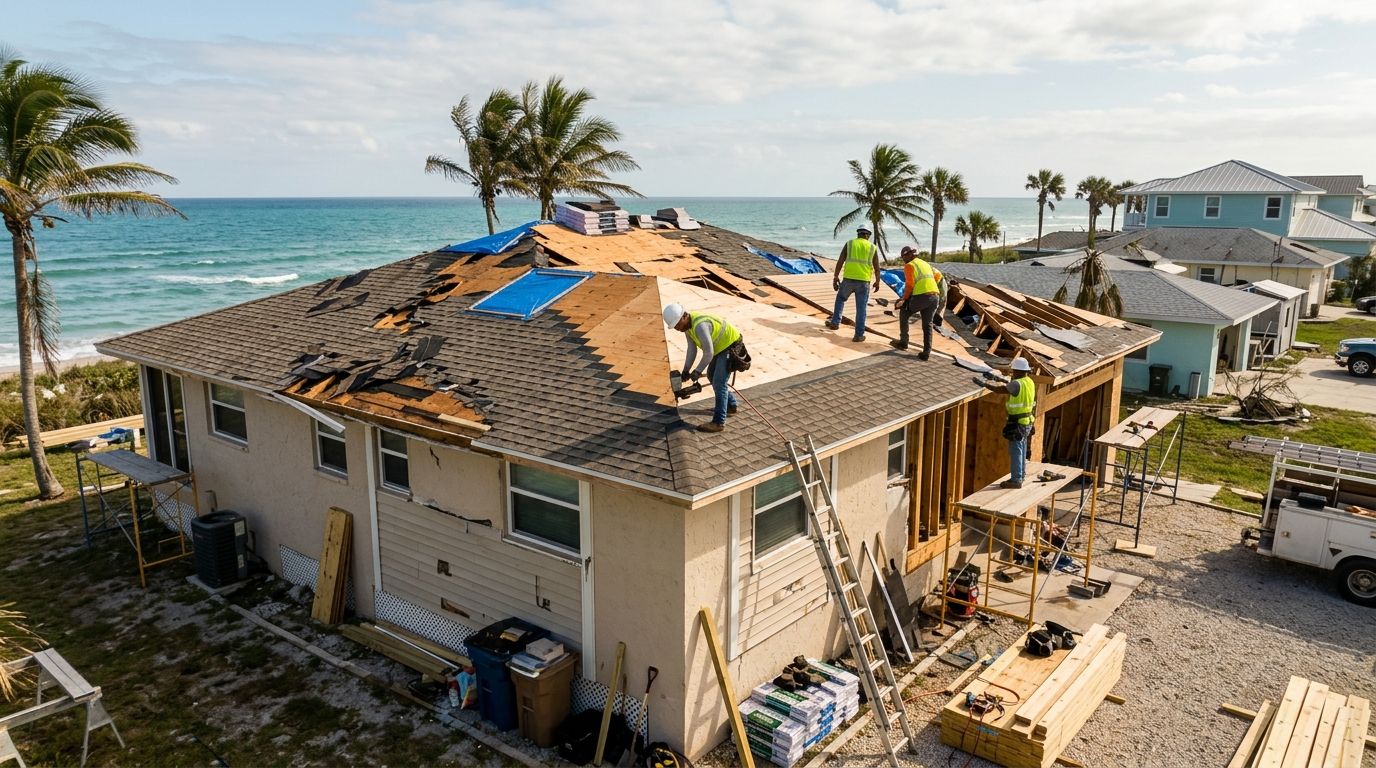
- Tarp broken roof sections and board windows within 24 hours to stop wind-driven rain
- Pull wet insulation and drywall below the waterline within 48 hours to head off mold
- Run box fans and a dehumidifier in every wet room, not just the worst one
- Shut off the water main if a supply line broke during the storm
- Photograph every wet material before it gets torn out
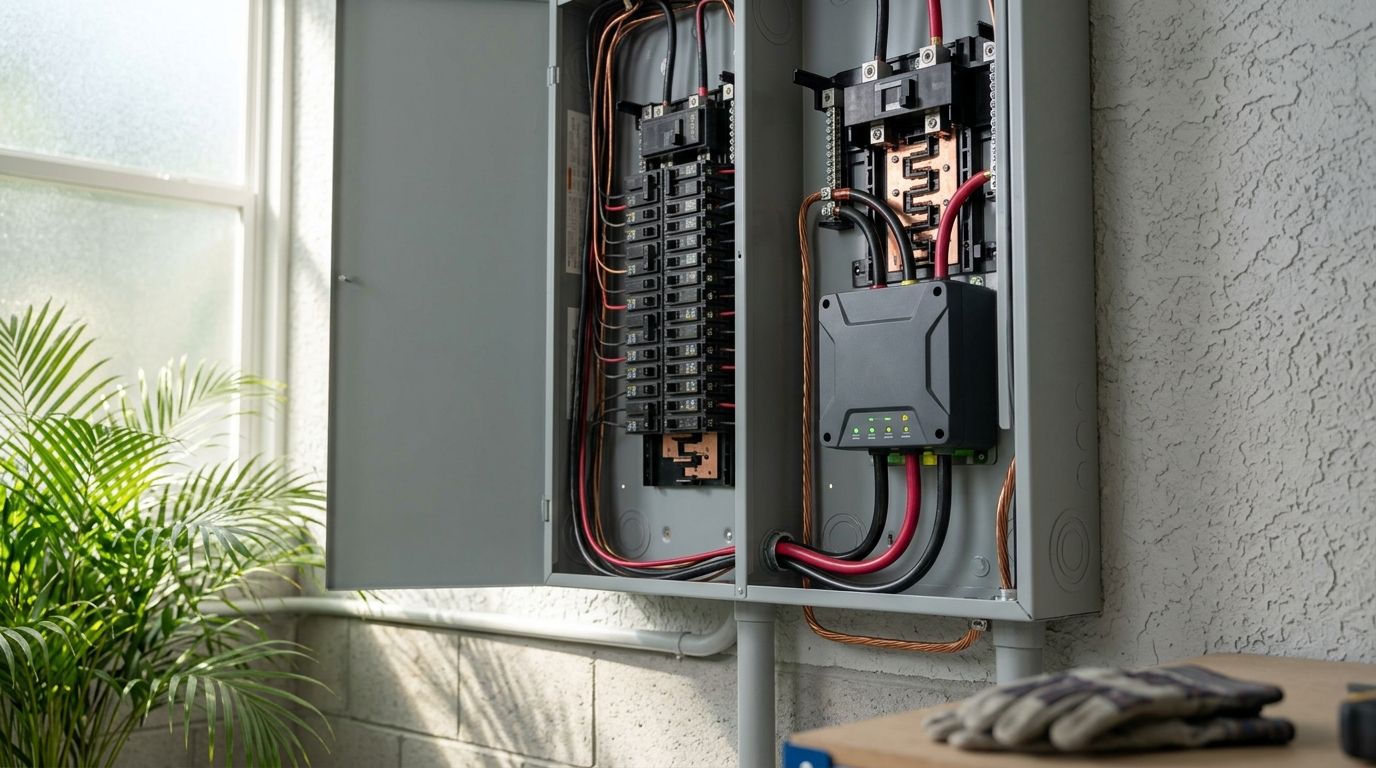
Have a licensed electrician clear the panel before anything gets reconnected
This is the step that gets skipped most often, and it's the one that causes injuries.
- Never flip a breaker back on if the panel took on water or salt spray
- Ask for written clearance before the utility restores service to the meter
- Check the bus bar and breaker lugs for corrosion, not just the panel cover
- Test GFCI and AFCI breakers before assuming any circuit is safe
- Use prepping your electrical panel for hurricane season as the baseline standard your rebuild should meet, not just match
Get a structural and code review before you rebuild anything
A rebuild that ignores the county's damage threshold gets flagged at the permit desk, not before.
- Pull the county's substantial damage determination if repair costs come close to the home's assessed value
- Confirm whether St. Lucie or Martin County requires a new permit for a like-for-like electrical or plumbing swap
- Check the roof deck and trusses for wind uplift damage a shingle-only inspection misses
- Have the under-slab plumbing checked for cracks if the home flooded
- Get code minimums confirmed before signing a rebuild contract, not after drywall goes up
Rebuild the systems, not just the sheetrock
A repainted wall over a compromised panel or a patched pipe under brackish floodwater is a rebuild that fails twice.
- Replace flooded panels and receptacles rated for the actual water line, not just what looks damaged
- Re-pipe sections that took on brackish floodwater instead of patching individual joints
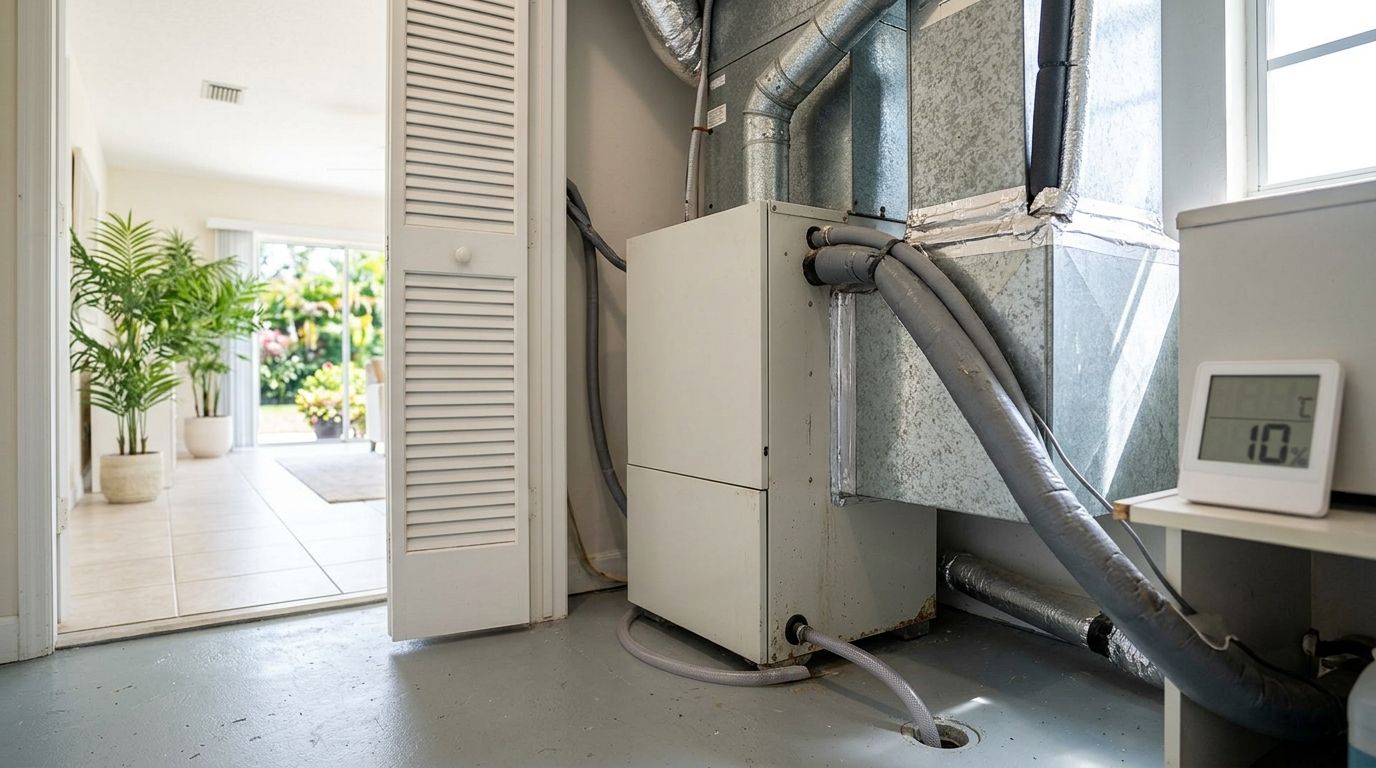
- Size HVAC replacement to the home's actual load, not a swap of the old tonnage
- Bring outlets and switches in wet-rated rooms up to current GFCI code
- Coordinate electrical, plumbing and HVAC trades on one schedule so drywall only closes once
Harden the rebuild against the next storm
Walls are already open during a storm rebuild — that's the cheapest time to add protection you'll want in 2027.
- Add a transfer switch and whole-house generator installation while the wall cavity is already exposed
- Install whole-house surge protection at the panel before repainting
- Elevate outlets and the panel above the prior flood line where code allows
- Run a dedicated backup circuit for the refrigerator, medical equipment, or a sump pump
- Confirm the generator's transfer switch is sized for the home's real electrical load, not a guess
Re-permit and re-inspect for insurance sign-off
A rebuild without a closed permit is a rebuild an adjuster can dispute later.
- Schedule the county's electrical, plumbing, and building final inspections before calling the job done
- Keep the permit card and inspection stickers in the insurance file, not just the contractor invoice
- Ask the adjuster what documentation triggers final claim payment on a rebuild
- Get a certificate of completion from the contractor, not a verbal "we're finished"
Schedule maintenance before the next hurricane season starts
A 2026 rebuild that skips ongoing maintenance is a 2027 emergency call.
- Test the standby or portable generator under load, not just a no-load start
- Re-check surge protection devices for a tripped indicator light
- Have the panel and main breaker inspected annually if the home flooded in 2026
- Walk the roof and gutters every spring before the June 1 hurricane season opener
Storm damage repair rebuilding treasure coast: compare your options
| Option | Best For | Key Limitation |
|---|---|---|
| Emergency tarp/board-up service | Stopping wind-driven rain in the first 24-48 hours | Temporary only — doesn't touch electrical or structural damage |
| Insurance-assigned contractor | Homeowners who want the carrier to manage scheduling | Limited say over trade quality or rebuild sequence |
| DIY patch repair | Minor cosmetic damage with no code exposure | Can void a future insurance claim if permits get skipped |
| Licensed general contractor rebuild (Imperium Electric) | Homes needing electrical, plumbing, HVAC and structural work under one crew | Still runs on the county's permit and inspection timeline |
For anything past a tarp-and-board job, a licensed general contractor who also holds electrical and plumbing licenses closes the handoff gaps between trades. That's the difference between a rebuild that passes final inspection the first time and one that gets sent back.
“If the panel took on water or salt spray, don't flip the breaker back on until a licensed electrician clears it.”
Need a storm damage rebuild plan?
Get a Free Quote on electrical, plumbing, HVAC and structural rebuild work.
Common mistakes Treasure Coast homeowners make after storm damage
- Reconnecting power to a flooded panel before a licensed electrician tests it
- Assuming a "like-for-like" repair skips the permit — St. Lucie and Martin County still require one
- Waiting past 48 hours to remove wet drywall, letting mold set into the framing
- Hiring an out-of-state storm-chasing crew with no Florida license and no local address
- Rebuilding to the old code instead of current Florida Building Code wind and flood provisions
FAQ
What's the first thing to do after storm damage to a Treasure Coast home?
Document every wet wall and damaged appliance with photos, then stop active water intrusion within 24-48 hours before mold sets in. Don't reconnect power to a wet panel until a licensed electrician clears it.
Is storm damage repair the same as a full rebuild?
No — a repair patches specific damaged sections, while a rebuild replaces whole systems to current code. FEMA's 50% substantial damage rule can force a full rebuild once repair costs cross that threshold on the home's assessed value.
Do I need a permit to repair storm damage in Port St. Lucie or Stuart?
Yes, in most cases — St. Lucie and Martin County both require permits for electrical, plumbing, and structural repairs after storm damage, even for like-for-like replacement. Skipping the permit can void part of an insurance claim.
Can I turn the power back on myself after a storm?
Not if the panel took on water or salt spray — a licensed electrician needs to test the bus bar, breakers, and lugs for corrosion first. Reconnecting a wet panel risks fire and shock.
Does homeowners insurance cover storm damage rebuilding in Florida?
Coverage depends on the specific policy and whether the damage is classified as wind, flood, or both, since standard homeowners policies often exclude flood. Documentation from the first 48 hours after the storm carries the most weight with adjusters.
Should I hire a general contractor or separate trades for a storm rebuild?
A general contractor who also holds electrical and plumbing licenses coordinates the schedule so drywall only closes once. Separate trades working independently create more handoff points where inspections and code issues get missed.
How long does storm damage rebuilding take in Florida?
Timeline depends on the scope of electrical, plumbing, and structural work plus the county's permit review queue, which runs longer during active hurricane seasons. A rebuild involving a full panel replacement or re-piping takes longer than a cosmetic drywall repair.
What upgrades should I add during a storm rebuild?
Whole-house surge protection and a generator transfer switch are the two upgrades worth adding while walls are already open. Both cost less to install during an open-wall rebuild than as a standalone retrofit later.
One last thing
FEMA's substantial damage rule is the detail most homeowners never hear about until a permit reviewer brings it up: if repair costs reach 50% of the home's pre-storm assessed value, the county can require the entire structure — not just the damaged section — to meet current flood and wind code. That single rule is why a quick patch job sometimes turns into a full electrical and plumbing rebuild mid-project, and why getting a code review before signing a contract in 2026 saves a second round of change orders.