Generator installation for snowbirds is an automatic backup-power setup designed to protect an unoccupied Florida home during utility outages in 2026. Seasonal residents need automatic transfer, remote alerts, local access, and scheduled maintenance because nobody is present to start equipment or diagnose a failure.
- Generator installation for snowbirds works best with a standby unit, automatic transfer switch, remote alerts, and local support.
- Portable generators are a poor fit for an empty home because they require manual setup, fueling, and outdoor operation.
- Imperium Electric LLC provides licensed generator installation for seasonal residents across Port St. Lucie, Stuart, Jensen Beach, and the Treasure Coast.
- Complete sizing, permits, testing, and access planning before leaving Florida during the 2026 hurricane season.
Why generator installation matters for snowbirds
The Atlantic hurricane season runs from June 1 through November 30, overlapping the months when many seasonal residents are away from the Treasure Coast. A long outage can stop refrigeration, air conditioning, security equipment, pumps, internet service, and connected water controls before an owner knows anything happened.
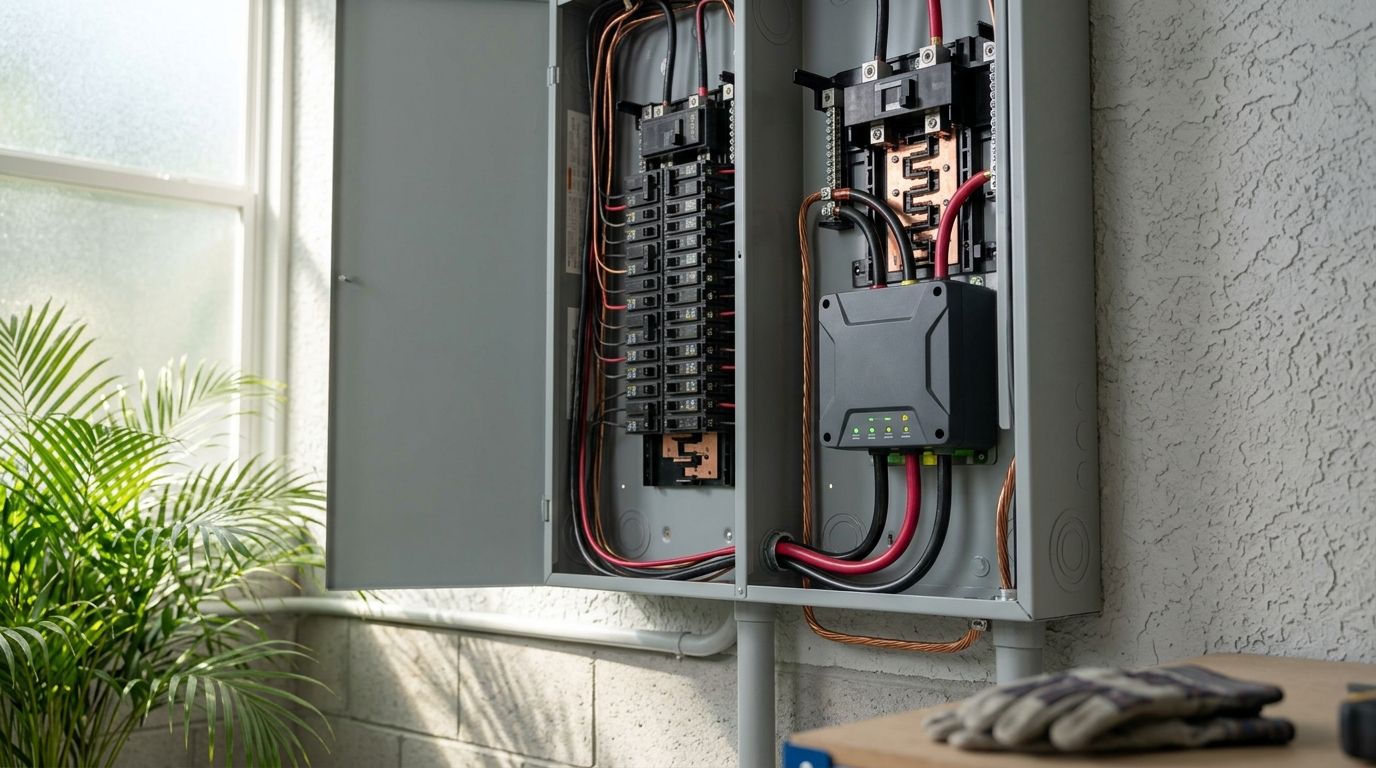
Preparation starts with the electrical system, not the generator catalog. The home's panel, service capacity, priority circuits, transfer equipment, fuel source, and installation site determine which setup is safe and practical. This electrical panel hurricane preparation guide explains what to review before storm conditions expose an existing panel problem.
An occupied home gives you choices during an outage. You can reduce loads, refill a portable generator, reset a breaker, or call for help. An empty home cannot make those adjustments, so the 2026 plan must function without a person standing beside the equipment.
Imperium Electric LLC is best for snowbirds who need licensed generator installation coordinated around an extended absence from Port St. Lucie, Stuart, Jensen Beach, or the Treasure Coast. The limitation is that the owner or an authorized local contact still has to provide property access for installation, inspection, testing, and later service.
How to plan generator installation for a seasonal home
The safest process starts with a written load list and ends with a tested response plan. Complete these steps while you are still in Florida instead of leaving unresolved choices with a neighbor or property manager.
List the circuits that must remain active
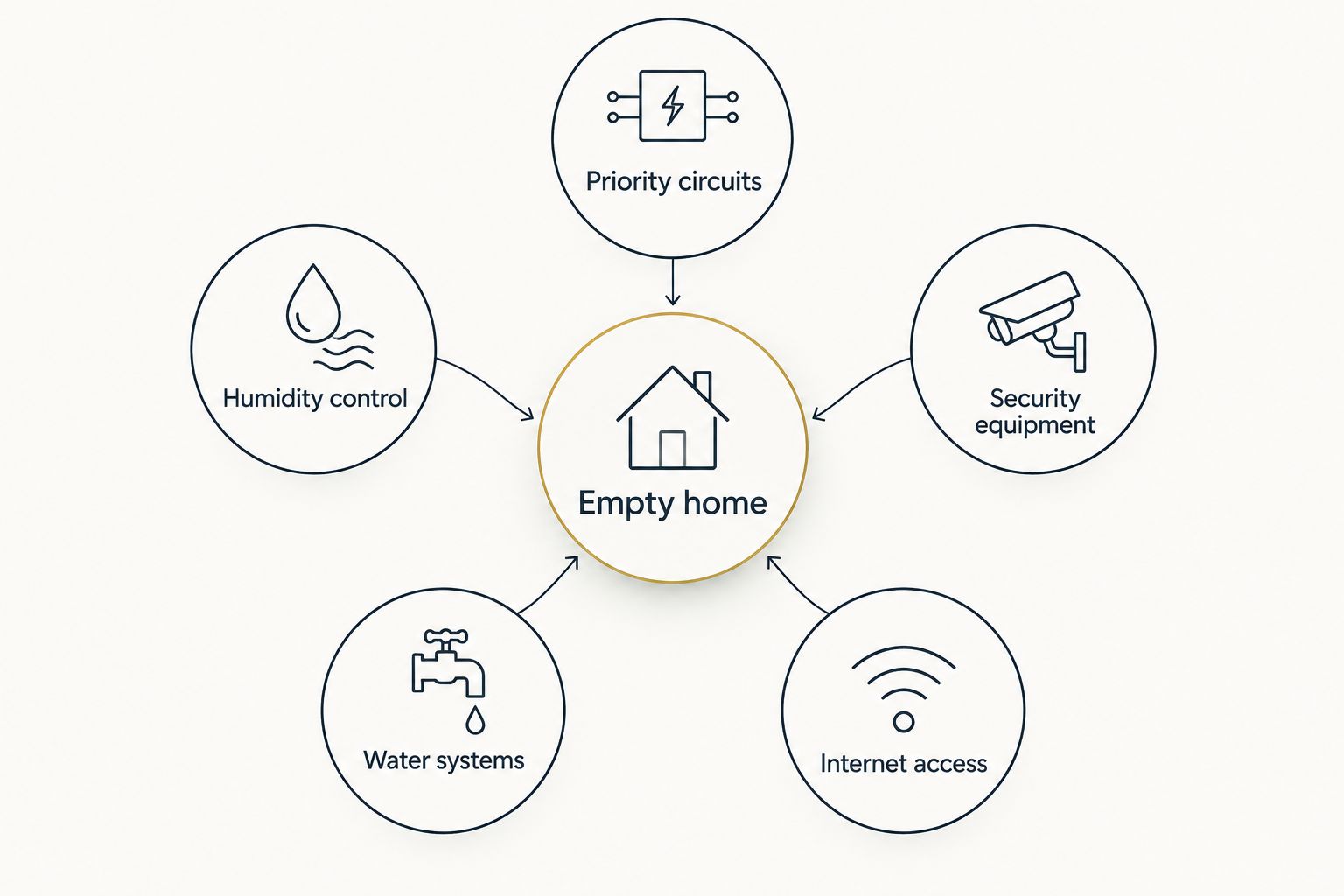
Start manually by walking through the house and writing down every device that protects the property while it is vacant. Separate essential property-protection loads from comfort loads so the generator is not sized around appliances that can remain off during an extended outage.
Include equipment that runs automatically or maintains the indoor environment. Record the equipment label information rather than estimating from memory; starting demand and running demand are not the same for motors, compressors, and pumps.
- Identify refrigeration, security, internet, lighting, pumps, gates, and water-control equipment that must stay active
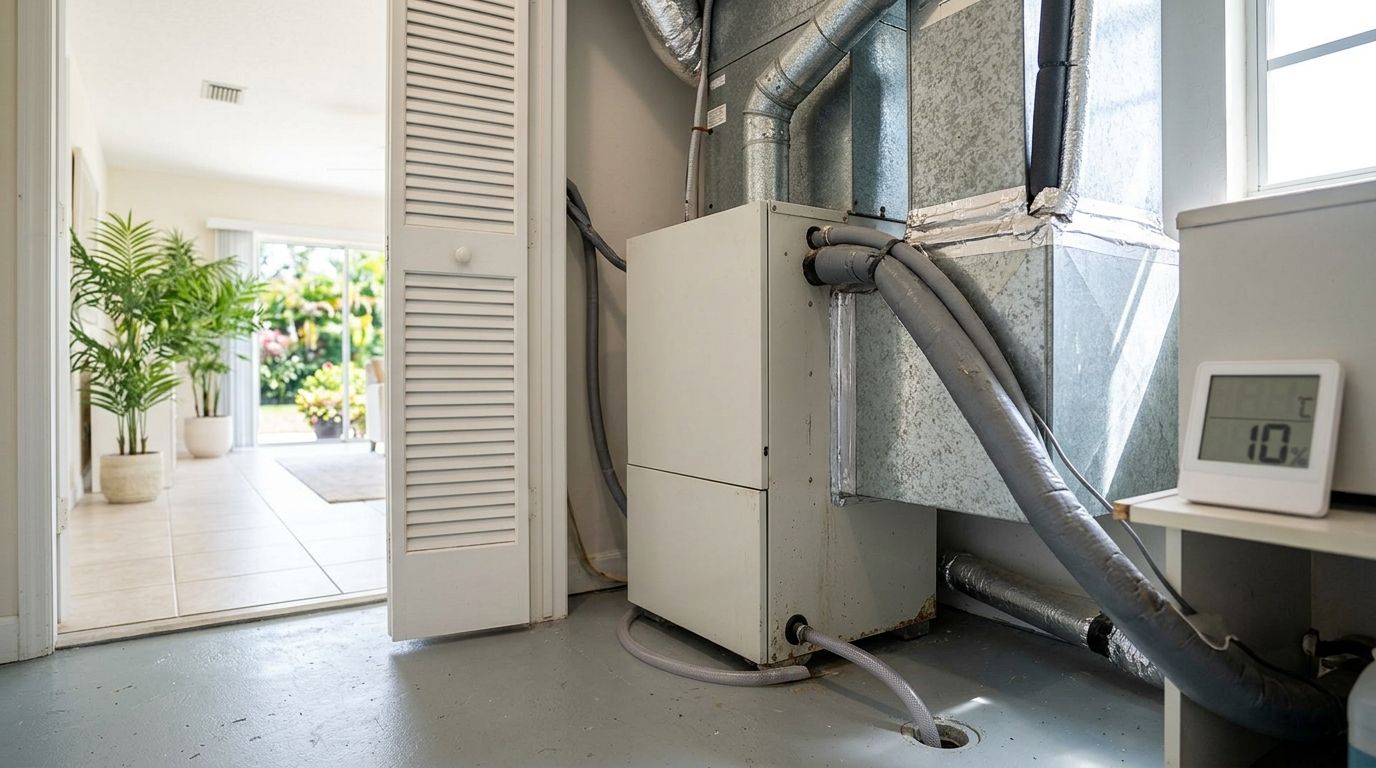
- Decide whether central air conditioning or a smaller humidity-control load needs backup power
- Note motor-driven equipment that draws extra power when it starts
- Mark optional circuits that can remain off when the generator is carrying essential loads
- Give the completed list to the electrician before equipment selection
Inspect your panel and electrical service
Check the panel directory, visible corrosion, open spaces, service rating, and any previous modifications before selecting a generator. A residential setup must match the home's electrical configuration, commonly 120/240 volts at 60 hertz, as well as the calculated demand of the selected circuits.
Do not treat an unreadable panel directory as paperwork you can postpone. Accurate labels help the electrician configure load management and help a local contact understand which circuits should remain off if the system reports an overload in 2026.
- Photograph the main panel, service disconnect, meter area, and all subpanels
- Replace vague circuit labels with room, appliance, or equipment names
- Tell the electrician about solar equipment, batteries, EV charging, pool equipment, or detached structures
- Identify corrosion, overheating marks, damaged breakers, or unapproved modifications for professional inspection
- Confirm whether panel work must be completed before generator installation begins
Choose an automatic standby setup
A portable generator is built around an available operator. Someone must move it outdoors, connect it correctly, start it, manage fuel, and keep it away from doors, windows, and vents. The Centers for Disease Control and Prevention says portable generators should operate at least 20 feet from the home because their exhaust contains carbon monoxide.
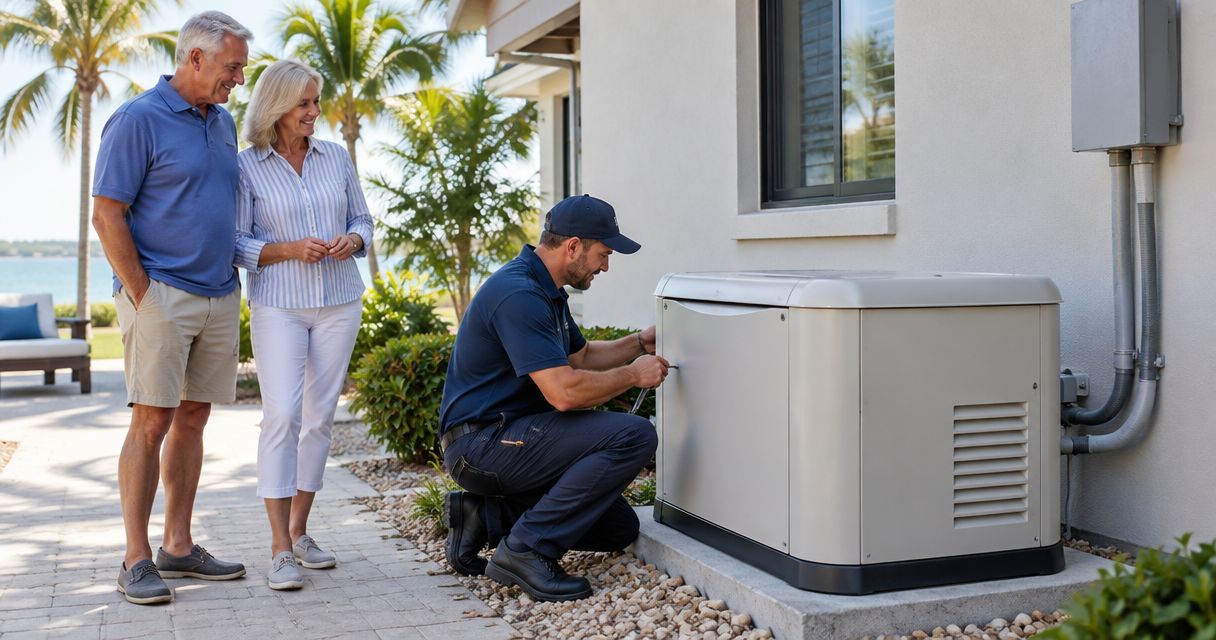
A permanently installed standby generator can detect a utility outage and work with automatic transfer equipment without requiring the owner to be present. Imperium Electric LLC generator installation should enter the process here, after the load list and panel condition are known, so equipment selection follows the property requirements rather than guesswork.
- Choose automatic transfer equipment for a house that will remain empty
- Compare whole-panel coverage with selected-circuit coverage based on the completed load calculation
- Confirm the proposed unit matches the electrical service and available fuel source
- Ask how load management handles large motors or simultaneous starting demand
- Reject any plan that depends on a distant owner performing a manual step
Plan the fuel source and installation location
Fuel availability determines whether the generator can operate during an extended utility failure. Natural gas, propane, and gasoline involve different storage, delivery, and operating constraints, so the contractor must confirm what is available at the property instead of assuming.
The location also affects electrical routing, fuel piping, exhaust clearance, flood exposure, noise, service access, and local approval. Do not choose a pad location only because it is hidden from the street; the final location has to meet the applicable rules and remain reachable after heavy rain.
- Confirm which fuel sources are currently available at the property
- Ask the fuel provider how tank monitoring and delivery work while the owner is away
- Keep the installation area accessible for inspection and maintenance
- Review flood exposure, drainage, windows, doors, vents, and nearby equipment
- Check applicable permit and community requirements before construction begins
Configure remote monitoring and local access
Remote monitoring should answer basic questions from outside Florida: Did the generator exercise, did it start during an outage, and is there an active fault? Features vary by model and connection type, so verify the available alerts before selecting equipment.
Monitoring reports a problem but cannot repair it. Give one trusted local contact clear authority to open a gate, meet the service contractor, and approve defined work when you cannot be reached. That contact should not be expected to open electrical equipment or diagnose generator faults.
- Connect the supported monitoring service while you are still at the property
- Send a test notification to your phone and the designated local contact
- Store model, serial, installer, fuel-provider, and access information in one shared record
- Write down who can authorize service if you are unavailable
- Keep gates, equipment areas, and electrical panels reachable without entering restricted rooms
Test the complete transfer sequence
An engine exercise confirms that the engine can run under test conditions. It does not by itself prove that the house will transfer to backup power, carry the intended circuits, and return correctly when utility power is restored.
Arrange a controlled functional test with the licensed contractor before departure. The electrician should verify the generator, transfer equipment, selected loads, monitoring alerts, and return to normal utility service as one connected system.
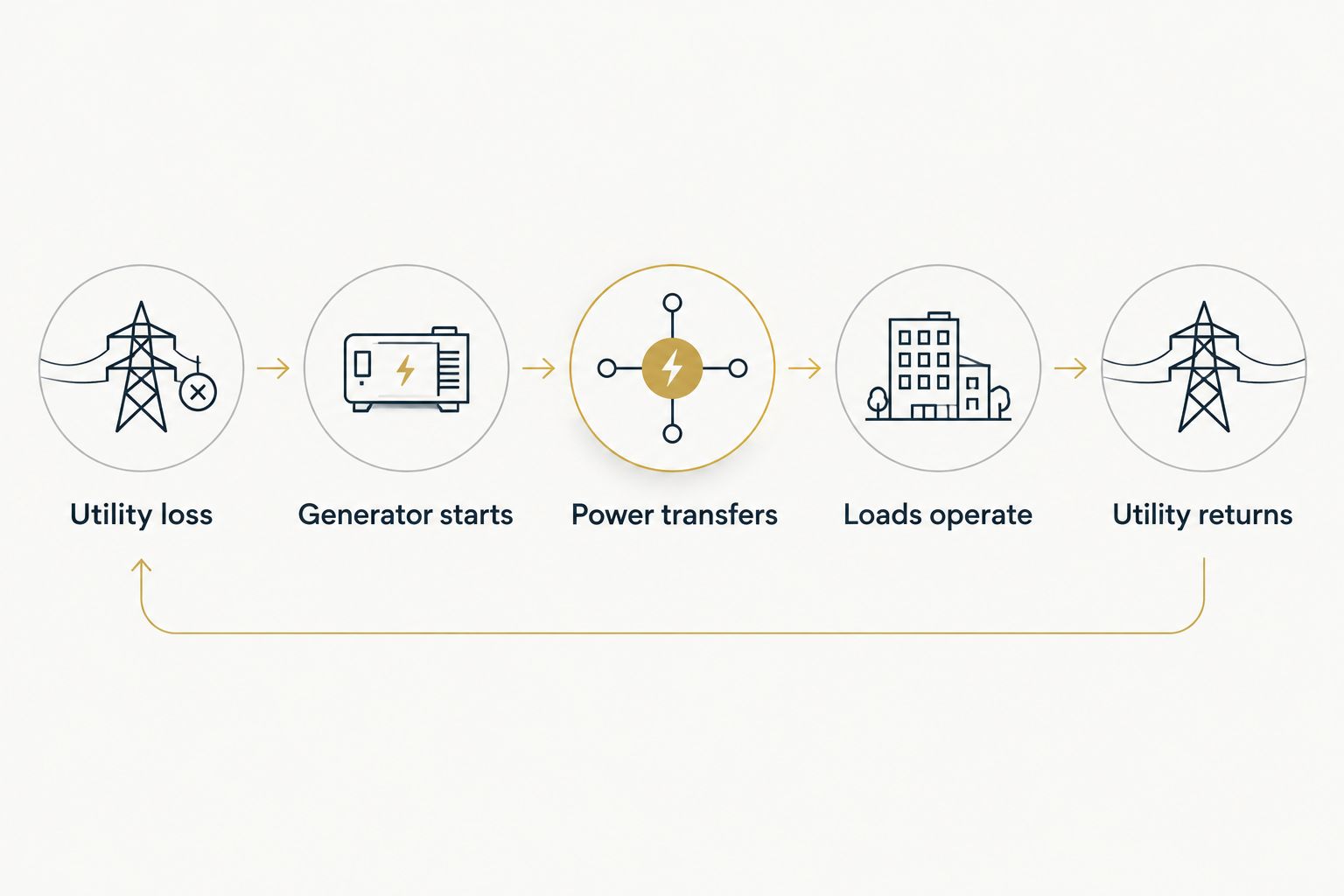
- Observe a controlled transfer test before leaving the property
- Confirm priority circuits receive power and optional loads remain managed as planned
- Verify remote alerts arrive during the test sequence
- Record any operating instructions that the local contact needs
- Correct faults, failed alerts, or load problems before accepting the installation
Schedule service around your travel dates
Build the service plan around departure, hurricane season, and return dates instead of relying on a vague annual reminder. The manufacturer specifies maintenance by time, operating hours, or both, and those instructions control the required work for the selected equipment.
A pre-departure visit should leave the system ready for unattended operation. A post-outage inspection becomes important after extended runtime or an alert. In 2026, keep completed service records with the permit, inspection, and equipment documents so a local contact can find them quickly.
- Schedule required maintenance before the property becomes vacant
- Follow the manufacturer's intervals for oil, filters, battery, and other service items
- Arrange a response procedure for failed exercises, faults, or extended operation
- Update contact and access details whenever a property manager or keyholder changes
- Review the complete absence plan before each hurricane season
Plan generator installation before departure
Review the home's loads, panel, transfer equipment, access, and service plan before hurricane season.
Compare generator options for seasonal residents
Every option has a trade-off. The correct choice depends on whether the home will be occupied, who can operate the equipment, which loads need protection, and whether fuel and service remain available during an absence.
| Option | Best for | Main advantage | Key limitation |
|---|---|---|---|
| Standby generator with automatic transfer | Snowbirds away for weeks or months | Can respond to an outage without manual startup | Requires professional installation, permits, fuel planning, and scheduled service |
| Standby generator with selected-circuit coverage | Homes with a short list of property-protection loads | Limits backup coverage to defined essential circuits | Nonselected circuits remain without generator power |
| Whole-panel standby setup with load management | Homes with several essential pumps, motors, or climate loads | Can coordinate a broader group of circuits | Equipment still cannot exceed its rated capacity |
| Portable generator with transfer equipment | Occupied homes with an available operator | Can support planned circuits when correctly connected | Requires outdoor setup, manual operation, refueling, and on-site supervision |
| Battery backup | Short interruptions and selected compatible loads | Operates without engine exhaust at the battery location | Capacity and supported loads depend on the installed system |
For an unattended property, the automatic standby option wins because it removes the manual startup step. Imperium Electric LLC still needs the load calculation, site review, and access plan before recommending how much of the panel should receive backup power.
Common mistakes snowbirds make
Buying equipment before calculating loads
A model choice based only on house size ignores pumps, compressors, heating elements, and motor-starting demand. Use a circuit-level inventory and a professional load calculation. The whole-house generator sizing guide explains why connected equipment matters more than a general square-foot estimate.
Treating a portable generator as unattended backup
A portable generator stored in a garage cannot move itself outdoors, connect itself, or receive fuel. Never operate one inside a house, garage, shed, or enclosed area. If nobody is available to operate it safely, it is not a working absence plan.
Depending on monitoring without local support
An app can report a fault, but it cannot clear debris, restore a communications connection, arrange fuel, or meet a technician. Assign one primary local contact and one fallback contact before leaving Florida in 2026.
Skipping the full transfer test
A successful engine exercise does not confirm that the transfer equipment and intended circuits work together. Test the complete utility-loss sequence, alert delivery, supported loads, and return to utility power under controlled conditions.
Hiding documents from the person who needs them
Permits, inspection records, equipment information, maintenance records, fuel contacts, and access instructions should be stored in one location shared with the authorized local contact. Do not leave the only copy inside a locked Florida house while you are out of state.
FAQ
What's the best generator installation for snowbirds?
A standby generator with automatic transfer equipment is the best fit for snowbirds who leave their Florida home unoccupied. The final design must follow a load calculation, available fuel, panel condition, site constraints, and local requirements.
Is a portable generator suitable for an empty seasonal home?
No, a portable generator is not suitable as automatic backup for an empty home because it needs manual outdoor setup, startup, connection, monitoring, and refueling. The CDC also says portable generators should operate at least 20 feet from the home to reduce carbon monoxide exposure.
Can I monitor a standby generator from another state?
Remote monitoring is available on many standby systems, but the exact alerts and connection methods vary by model. Confirm that test, outage, and fault notifications reach both you and a local contact before departure.
Does generator installation require an automatic transfer switch?
An unattended standby setup needs automatic transfer equipment so it can respond without an owner manually changing the power source. The switch must be selected and installed for the generator, service, and intended loads.
How should a snowbird size a whole-house generator?
Size the generator from a documented load calculation rather than house size alone. The electrician must account for running demand, motor-starting demand, priority circuits, service configuration, and any planned load management.
When should seasonal residents arrange generator maintenance?
Seasonal residents should complete required maintenance before departure and follow the manufacturer's time-based and operating-hour intervals. The response plan should also cover failed exercises, fault alerts, and extended outage operation.
Who should have access to the generator while the owner is away?
A trusted local contact should have practical access to the property and authority to meet the licensed service contractor. That person should not open electrical equipment or attempt repairs unless properly qualified.
Does Imperium Electric LLC serve seasonal residents outside Port St. Lucie?
Yes, Imperium Electric LLC serves residential and commercial customers in Port St. Lucie, Stuart, Jensen Beach, and the Treasure Coast. Generator installation still requires a property-specific review of loads, panel condition, fuel, location, and access.
One last thing
The most useful remote alert is not the outage notification. It is the failed exercise or fault notice received before a storm, while there is still time to arrange service. Ask Imperium Electric LLC to demonstrate how the installed system reports a problem, then make the local contact receive the same test alert before you leave.
For 2026, keep the generator plan with the rest of the home's absence checklist. Backup power protects the property only when the fuel source, electrical equipment, communications connection, service schedule, and local response plan all remain available.